Cinnamon rice
By VicentaLakin
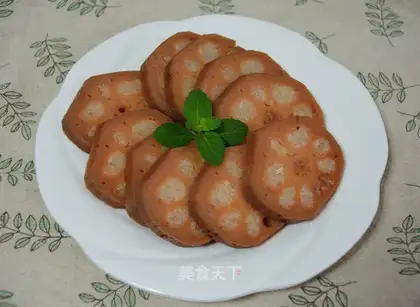
Autumn season is the day when the city is fresh, and the cinnamon flowers that are made from their homes can be eaten, making a cinnamon of rice when they are free, pouring the soaked rice into the cinnamon, with homemade cinnamon flowers, slowly boiling the soup with a fire, burning it, sitting in the chair while it is done, taking a book, listening quietly to the beautiful and harmonious melody of music, and the sweetness of the cinnamon and the sweetness of the cinnamon, and then waiting for you to have the hot, sweet, sticky moth。
Recipe Recommendations
- fresh lotus root 2 knots
- glutinous rice appropriate amount
- sugar Osmanthus appropriate amount
- brown sugar appropriate amount
- sweetening
- cook
- several hours
- ordinary
Steps for Cinnamon rice
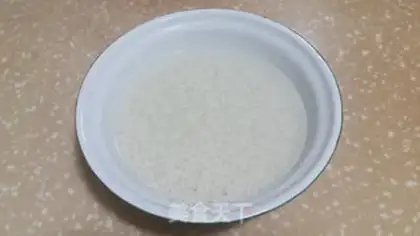
1
2-3 hours pre-infiltration of rice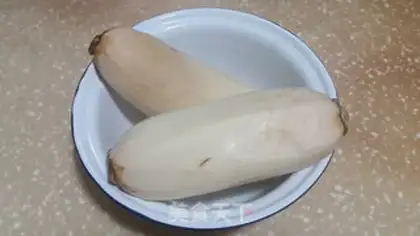
2
Fresh wash off the skin。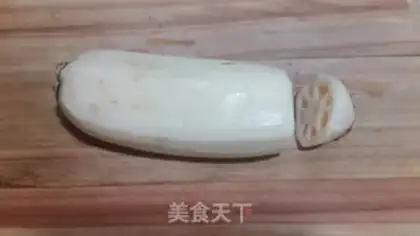
3
Cut off two or three centimetres at the nearest festivities and leave it as a lid。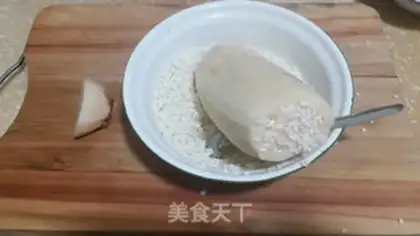
4
Fill out the rice that has been made and fill it with chopsticks。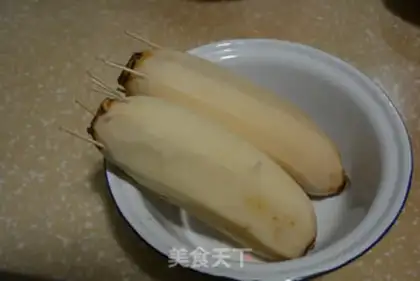
5
When the rice is placed in the eye, the cut-off lid is placed on and the seal is sealed with a toothpick。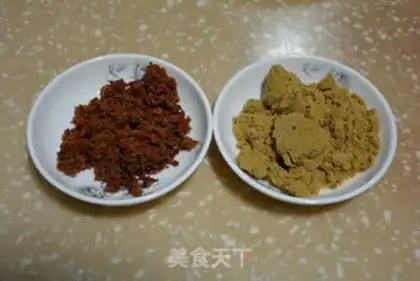
6
Get ready for red sugar and cinnamon. Sugar use is added to the population ' s taste and can also be added to ice sugar。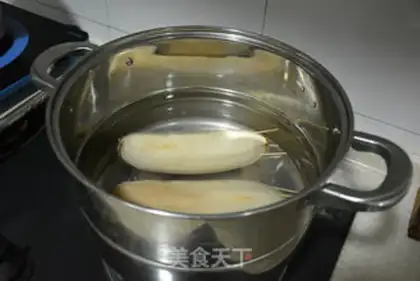
7
Put the made rice in the pot, inject the water with no luxurious water, put it in red sugar and cinnamon, and then boil the fire for 1.5-2 hours。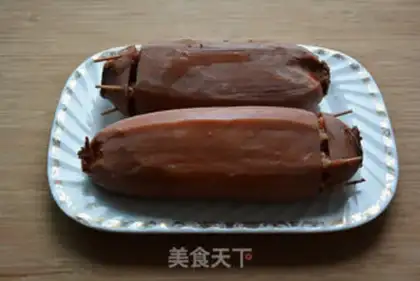
8
Cooked rice, colored and smelly。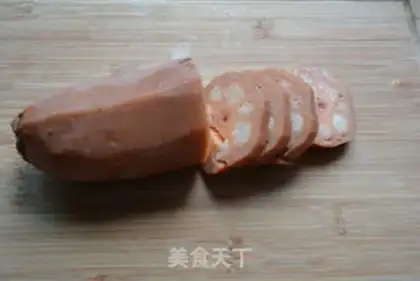
9
It'll be ready for slices when it's cold。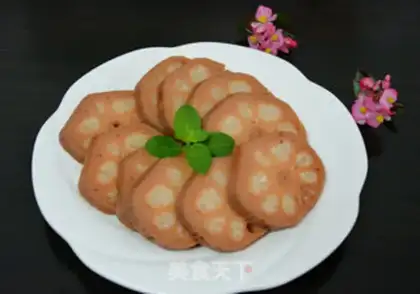
10
It's delicious。Cinnamon rice Make Tips
Lotus Root: Among tuberous foods, lotus root is rich in trace elements such as iron and calcium, and also contains large amounts of Vitamin C and dietary fiber. Its content of plant protein, vitamins, and starch is also very rich. It has significant effects in nourishing qi and blood and enhancing human immunity, making it quite suitable for patients with iron-deficiency anemia.
Glutinous Rice: Glutinous rice contains protein, fat, carbohydrates, calcium, phosphorus, iron, vitamin B1, vitamin B2, niacin, and starch. It is nutrient-rich and serves as a warming, tonic, and strengthening food. It has the efficacy of tonifying the middle and replenishing qi, strengthening the spleen and nourishing the stomach, and stopping spontaneous sweating. It provides certain relief for those with spleen-stomach deficiency and cold, poor appetite, and abdominal bloating and diarrhea.
According to Traditional Chinese Medicine, Osmanthus is warm in nature and pungent in taste, and enters the lung and large intestine meridians. It possesses good medicinal value and has the effects of warming the middle to disperse cold, warming the stomach to relieve pain, and resolving phlegm to dissipate stasis.