Bourbon and sea cucumber
By VicentaLakin
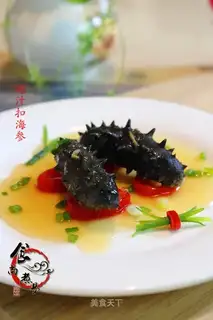
Sea cucumber is rich in a variety of amino acids and vitamins for humans, sea cucumber in winter can be an effective means of improving human immunity, rehydration, resistance to sub-health, sea cucumber and beauty effects for women. Sea cucumbers are said to be a combination of mild supplements, popular winters, and, as is commonly said, 81 sea cucumbers in winter, 9981 days. The effect of winter supplements is to increase human immunity and to prevent colds, not to say that they are not available in summer, which is generally a hot summer, which is easier to make up for, and is not easy to eat, but is still available to the weak。
Recipe Recommendations
- salty and fresh
- skills
- several days
- senior
Steps for Bourbon and sea cucumber
1
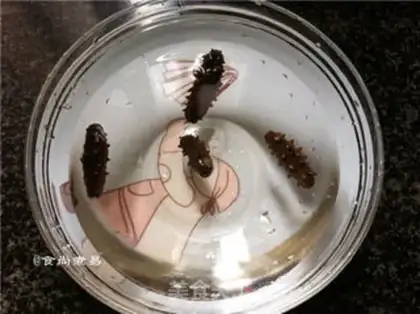
Plumbing steps: clean water in a basin, cucumbering in sea cucumber, filamentation in a freezer, water exchange every 8-12 hours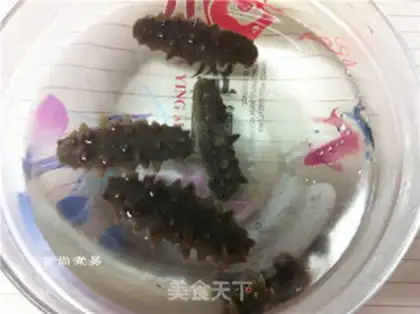
2
This is sea cucumber immersed for 36 hours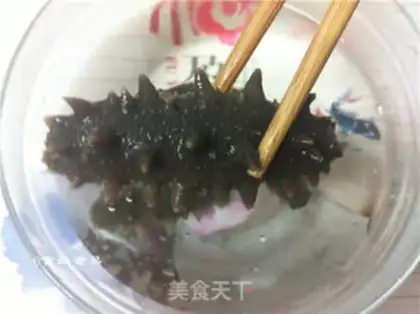
3
72 hours of sea cucumber, much bigger, ready for pre-cooking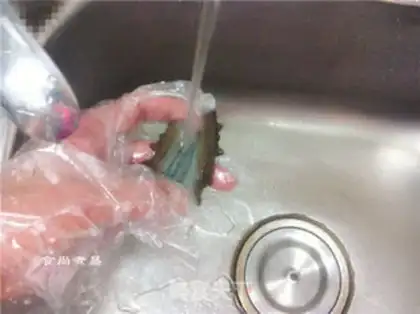
4
Dealing with sea cucumbers: Cutting a straight line with scissors on the abdomen of sea cucumbers, removing intestines, sands, cleaning up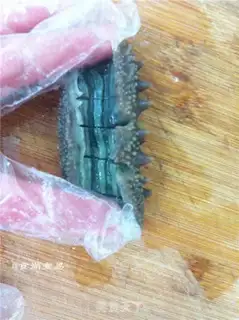
5
Don't take off the inside of the sea cucumber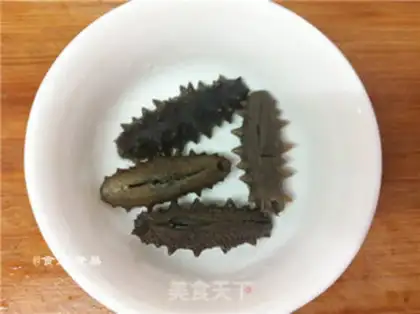
6
Take care of everything. We can cook now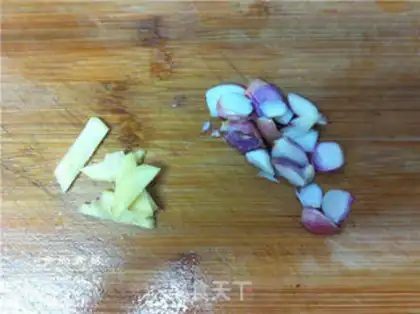
7
Ginger and red onion head to slice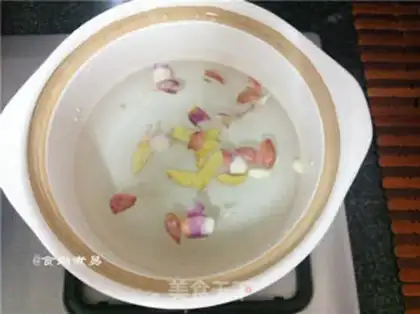
8
Put the proper amount of water in the casserole, put it in the ginger chips and boil the onions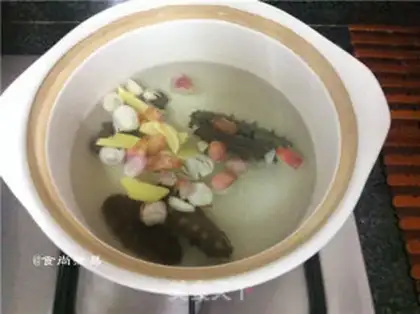
9
Put it into sea cucumbers, bring in a few salts, cover it up and boil it for 30 minutes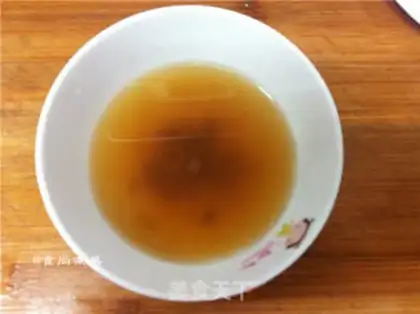
10
The bowl is filled with condensed chicken soup, squirt abalone juice, a little salt, a little starch, evenly mixed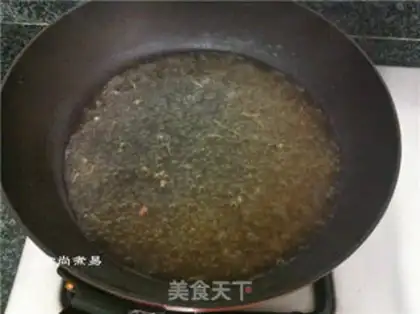
11
Hot pot, put a little oil in it and pour in a good abalone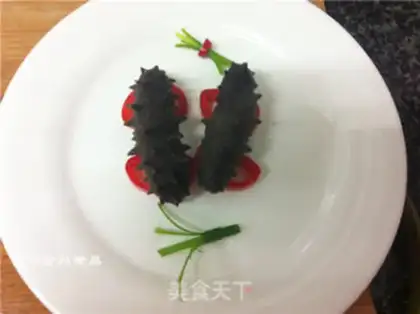
12
When the sea cucumber is boiled, it's caught up in a casually decorated pot
13
Cooked chicken soup and abalone on itBourbon and sea cucumber Make Tips
Foodie Tips: Dried sea cucumbers generally do not require special storage methods, as the salt content prevents them from spoiling easily. Simply keep them dry and well-ventilated.
Method for Rehydrating Sea Cucumbers:
[Step 1] Place the sea cucumbers in a dedicated container (or an oil-free container). Soak for 12 hours, change the water, and continue soaking until the sea cucumbers become large and plump.
[Step 2] Once wet and soft, cut open the sea cucumber along its abdomen (the original opening). Cut the internal membranes/tendons horizontally (cutting the tendons helps them rehydrate better). Remove the sea cucumber's "sand mouth" (intestines), take it out, and place it in a dedicated rehydrating container (or an oil-free one). Bring to a boil over medium heat, then simmer over low heat for 30 minutes (do not let the water boil vigorously), and let cool naturally.
[Step 3] For sea cucumbers that have already softened, proceed to Step 4. If there is a hard center due to individual differences, repeat Step 2 once.
[Step 4] After removing them, place the sea cucumbers in a container filled with clear water (preferably purified water). Place in the refrigerator's fresh-keeping compartment. Change the water once a day, and add an appropriate amount of ice when changing the water. They are ready to eat after 2-3 days (the sea cucumber is properly rehydrated when the meat on the side can be easily pierced with a finger).
Key Points for Rehydrating Sea Cucumbers:
1. Do not throw away the tendons; they have extremely high nutritional value and can be used to make soup.
2. The water quality must be clean during the rehydration process.
3. Using purified water to rehydrate sea cucumbers not only results in a larger size but also allows for better absorption by the body.
4. Use a clean, oil-free dedicated pot or container for rehydrating; it is best if the water volume covers the sea cucumbers completely.
5. Properly rehydrated sea cucumbers can be individually frozen for storage.
6. It is best not to use a thermos for rehydration, as the good insulation keeps the sea cucumber at a high temperature for too long, which can cause it to become mushy.
7. The proteins and nutrients in sea cucumbers do not dissolve in water, so there is no need to worry about nutrient loss during the water rehydration process.