In the world of gastronomy, some ingredients play silent yet pivotal roles, elevating dishes from ordinary to extraordinary without demanding the spotlight. The shallot, often mistaken for a mere cousin of the onion, is one such unsung hero. With its delicate flavor, vibrant hue, and centuries-old history, this small bulb has transcended cultural boundaries, finding its way into the kitchens of French chefs, Thai street vendors, and home cooks worldwide. Yet, beyond its culinary merits, the shallot—particularly the red variety—boasts a remarkable nutritional profile and a host of health benefits, making it far more than just a flavor enhancer. This article delves into the nutritional value of red shallots, their diverse health benefits, and important considerations for consumption, shedding light on why this humble ingredient deserves a place of honor in both our diets and our well-being.
Nutritional Profile: The Tiny Giant of Nutrients
Red shallots (Allium cepa var. aggregatum) are small, elongated bulbs with purplish-red papery skins and crisp, white-to-purple flesh. Though diminutive in size, they pack a concentrated punch of vitamins, minerals, antioxidants, and bioactive compounds that belie their modest appearance. A 100-gram serving of raw red shallots (approximately 5-6 small bulbs) contains just 72 calories, making them a low-calorie, nutrient-dense addition to any meal.
Vitamins: A Spectrum of Essential Nutrients
Vitamin K is the star nutrient in red shallots, with a 100-gram serving providing approximately 34% of the daily recommended intake (DRI). This fat-soluble vitamin is critical for blood clotting, bone metabolism, and cardiovascular health, as it helps regulate calcium deposition in bones and arteries. Red shallots are also rich in vitamin C (a 100-gram serving delivers 17% of the DRI), a powerful antioxidant that boosts immune function, supports collagen synthesis for skin health, and enhances iron absorption from plant-based sources.
B vitamins, particularly folate (B9), are another highlight, with 100 grams of red shallots providing about 12% of the DRI. Folate is essential for DNA synthesis, cell division, and fetal development, making red shallots a valuable food for pregnant women. Additionally, they contain smaller amounts of vitamin B6, which aids in brain development and neurotransmitter production, and vitamin B1 (thiamine), which supports energy metabolism.
Minerals: Building Blocks of Health
Red shallots are a good source of essential minerals, albeit in smaller quantities compared to some other vegetables. Potassium, which helps regulate blood pressure and fluid balance, is present at around 147 mg per 100 grams. They also provide manganese (10% of the DRI per 100 grams), a mineral that acts as a cofactor for enzymes involved in antioxidant defense, bone formation, and wound healing. Iron, crucial for oxygen transport in the blood, is found in trace amounts (0.4 mg per 100 grams), but when combined with the vitamin C in shallots, its absorption is significantly enhanced.
Antioxidants and Bioactive Compounds: The Heart of Shallot Benefits
The true power of red shallots lies in their phytochemical composition, particularly their high concentration of antioxidants. Red shallots owe their vibrant color to anthocyanins, flavonoid pigments that give them potent anti-inflammatory and antioxidant properties. These compounds neutralize free radicals—unstable molecules that cause oxidative stress, a key driver of aging, chronic diseases, and cellular damage.
Sulfur-containing compounds, such as allicin, diallyl sulfide, and S-allyl cysteine, are another hallmark of shallots (and other allium vegetables). When shallots are chopped, crushed, or chewed, the enzyme alliinase converts sulfur compounds into allicin, the compound responsible for their pungent aroma and many of their health benefits. Allicin has been extensively studied for its antimicrobial, anti-inflammatory, and cholesterol-lowering effects.
Red shallots also contain quercetin, a flavonoid with antioxidant, antihistamine, and anti-aging properties. Quercetin has been linked to reduced risk of heart disease, improved blood sugar control, and enhanced immune function. Together, these compounds create a synergistic effect that makes red shallots a nutritional powerhouse.
Health Benefits: From Kitchen Medicine to Wellness Ally
The nutritional richness of red shallots translates into a wide array of health benefits, supported by both traditional use and modern scientific research.
1. Cardiovascular Health: Protecting the Heart and Blood Vessels
Heart disease remains a leading global cause of death, but dietary choices can significantly reduce risk. Red shallots contribute to cardiovascular health in multiple ways. The allicin and quercetin in shallots help lower LDL (“bad”) cholesterol while increasing HDL (“good”) cholesterol, preventing the buildup of plaque in arteries (atherosclerosis). Potassium, meanwhile, counteracts the effects of sodium, relaxing blood vessels and reducing blood pressure. A 2017 study published in the Journal of Agricultural and Food Chemistry found that shallot extract improved lipid profiles and reduced oxidative stress in rats with high cholesterol, suggesting similar benefits in humans.
2. Immune System Support: Bolstering Defenses Naturally
The combination of vitamin C, vitamin A (derived from beta-carotene), and antioxidants in red shallots makes them a potent immune booster. Vitamin C stimulates the production and function of white blood cells, the body’s primary defense against pathogens. Quercetin, on the other hand, has antiviral properties and may help reduce the severity and duration of colds. Traditional medicine systems, such as Ayurveda and Traditional Chinese Medicine, have long used shallots to treat infections, and modern research is beginning to validate these practices.
3. Anti-Inflammatory and Antimicrobial Properties
Chronic inflammation is linked to conditions like arthritis, diabetes, and cancer. Red shallots’ high anthocyanin and quercetin content helps inhibit pro-inflammatory enzymes (such as COX-2), reducing inflammation throughout the body. Allicin, meanwhile, exhibits broad-spectrum antimicrobial activity, fighting bacteria, fungi, and viruses. This makes red shallots a natural remedy for minor infections, such as sore throats or skin wounds, and may help reduce the need for antibiotics.
4. Blood Sugar Regulation: A Friend to Diabetics
Preliminary research suggests that red shallots may help manage blood sugar levels, making them particularly beneficial for people with diabetes or insulin resistance. The sulfur compounds in shallots enhance insulin sensitivity, allowing cells to take up glucose more efficiently. A 2020 study in Phytotherapy Research found that shallot extract reduced blood sugar levels in diabetic rats by improving insulin secretion and protecting pancreatic beta cells. While human trials are needed, these findings are promising for those seeking natural ways to support metabolic health.
5. Digestive Health and Gut Microbiome Balance
Fiber is essential for digestive health, and red shallots contain both soluble and insoluble fiber (1.6 grams per 100 grams). Soluble fiber feeds beneficial gut bacteria, promoting a healthy microbiome, while insoluble fiber adds bulk to stool, preventing constipation. Additionally, the prebiotic properties of shallots (due to their fiber and sulfur compounds) support the growth of probiotics, which are critical for immune function and overall health.
6. Skin and Hair Benefits: From the Inside Out
The antioxidants in red shallots, particularly vitamin C and quercetin, play a key role in skin health. Vitamin C is necessary for collagen production, a protein that keeps skin firm and elastic, while quercetin protects against UV-induced damage and premature aging. Sulfur compounds also support keratin production, the protein that strengthens hair and nails. Regular consumption of red shallots may help reduce acne, improve skin texture, and promote shiny, healthy hair.
Culinary Uses: Elevating Dishes with Flavor and Color
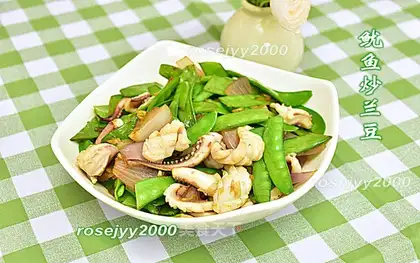
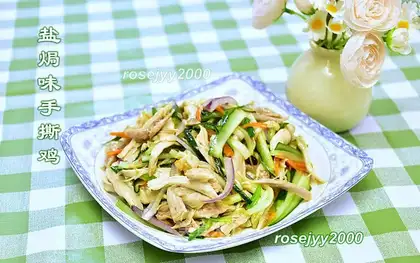
Before diving into consumption guidelines, it’s worth noting how red shallots enhance culinary experiences. Their flavor is milder and sweeter than onions, with a subtle hint of garlic, making them versatile for raw and cooked dishes. In Southeast Asian cuisine, they are a staple in curries, stir-fries, and salads, adding depth without overpowering other ingredients. In French cooking, they are slow-cooked to make rich sauces, such as the classic sauce béarnaise. Red shallots are also pickled, caramelized, or used as a garnish for soups and pasta, their vibrant color adding visual appeal to any plate.
Consumption Considerations: Who Should Be Cautious?
While red shallots are generally safe for most people, there are a few considerations to keep in mind:
1. Allergic Reactions
Though rare, some individuals may be allergic to allium vegetables, including shallots. Symptoms can range from mild (itching, hives) to severe (anaphylaxis). Those with known onion or garlic allergies should avoid red shallots or consult a healthcare professional before consuming them.
2. Digestive Discomfort
Shallots contain FODMAPs (fermentable oligosaccharides, disaccharides, monosaccharides, and polyols), which can trigger bloating, gas, and diarrhea in people with irritable bowel syndrome (IBS) or sensitive digestive systems. Cooking shallots may reduce their FODMAP content, making them easier to tolerate.
3. Blood-Thinning Medications
Red shallots are high in vitamin K, which plays a key role in blood clotting. Individuals taking anticoagulant medications, such as warfarin (Coumadin), should maintain consistent vitamin K intake to avoid interactions. Sudden increases in shallot consumption could reduce the effectiveness of these drugs. It’s best to consult a doctor or dietitian to determine a safe amount.
4. Low Blood Pressure
Due to their potassium content, red shallots may lower blood pressure further in people already taking medications for hypertension. Those with hypotension should monitor their blood pressure regularly and consume shallots in moderation.
5. Raw vs. Cooked: Maximizing Benefits
While raw red shallots retain more vitamin C and enzymes, cooking enhances the bioavailability of certain antioxidants, such as quercetin. For example, lightly sautéing shallots in olive oil can increase quercetin absorption by up to 30%. Pickling, however, may reduce some heat-sensitive nutrients.
Conclusion: The Small Bulb with a Big Impact
Red shallots are a testament to the idea that the most unassuming ingredients often hold the greatest treasures. From their impressive nutritional profile—rich in vitamins, minerals, and antioxidants—to their diverse health benefits—from supporting heart health to boosting immunity—these small bulbs are a true superfood. Their culinary versatility ensures they can be enjoyed in countless dishes, while their mild flavor makes them accessible even to those who find onions or garlic too pungent.
Of course, moderation and awareness are key. For most people, incorporating red shallots into a balanced diet can enhance both flavor and well-being. But for those with specific health conditions, such as allergies, IBS, or blood clotting disorders, a cautious approach is necessary. Ultimately, red shallots remind us that health and pleasure are not mutually exclusive—they can coexist on the same plate, seasoned with a dash of tradition, a sprinkle of science, and a whole lot of love. So the next time you reach for a spice, consider the humble red shallot. It may just be the ingredient your body—and your taste buds—has been waiting for.