Roller tomato noodles
By VicentaLakin
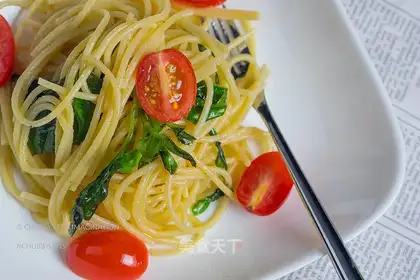
Following the last time the yolk was popular, this presentation was a simple, more than simple, Italian custom. Even so, at least $14-15 is sold in North America. Let's take a look at the material。
Recipe Recommendations
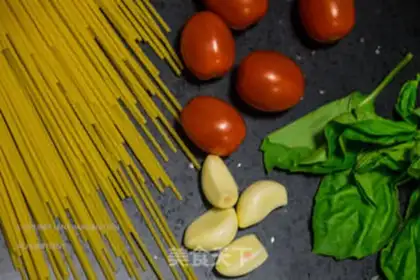
- pasta 100 grams
- sacred fruit 10 teeth
- basil leaves 1 tree
- garlic 6-merous
- pre-fried olive oil 3 tablespoons
- Alpine salt 2 teaspoons
- black pepper
- sea salt 2 tablespoons
Steps for Roller tomato noodles
1
First of all, let us look back at the material, and then we can prepare a pot of water。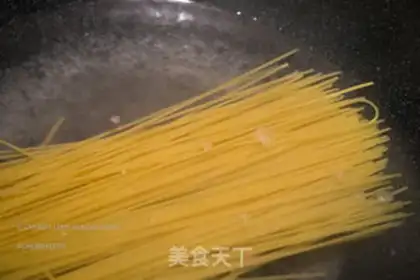
2
Two spoons of salt are placed in boiling water, then Italy is scattered into the ground and boiled less one minute for packing instructions。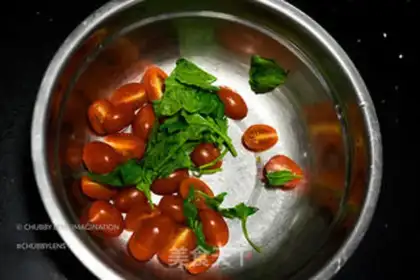
3
On the other side, we cut the fruit and tore the lole leaves in half and put it in a bowl. Garlic chips were also made from small and medium fire with olive oil, which was used to include alpine salt。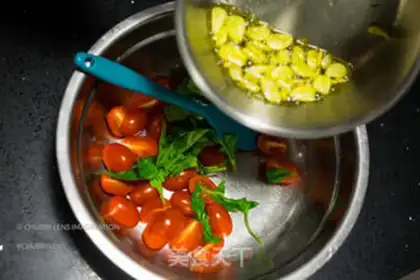
4
It's a little bit yellow for garlic (because the usual olive oil is too hot) so it can be poured into the big bowl。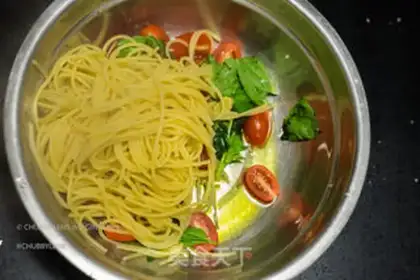
5
The pasta comes out of the pot, and it's in the bowl, and it's even with the other material. Just a little black pepper. Remember: "Don't cross the Cold River! Don't cross the Cold River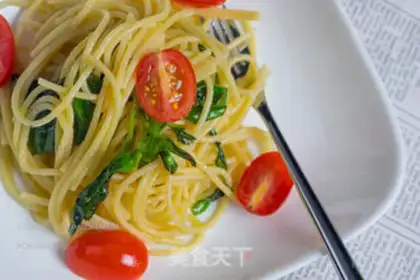
6
And then? And there is no more。Roller tomato noodles Make Tips
As the English language is popularly used by Virginia Squeezed Olive Oil, I find it offensive to translate it into "holy" olive oil. Rohler, with tomatoes, is an absolute taste in Italian food (it was also said that the Mario brothers were inspired by the design) and has a comparable position with Chinese sauce. Without rock salt, it is also possible to replace it with ordinary sea salt. 4. In that same sentence, the distinction and the Chinese side, most Italians have two main features: The process of cooking is not accompanied by oil and a large quantity of salt (some coastal areas are cooked directly by sea); it cannot be finished with cold rivers, which hinder the absorption of noodles into sauce。