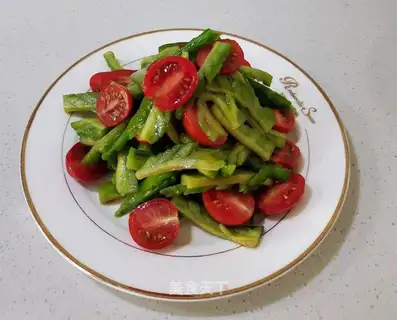
Cherry tomatoes, those vibrant, bite-sized jewels often adorning salads, skewers, and pasta dishes, are far more than a mere garnish. Belonging to the Solanum lycopersicum species, these small, round fruits (botanically classified as berries) pack a concentrated punch of flavor, color, and nutritional density. As a staple in global cuisines, cherry tomatoes have transcended their role as a humble snack to earn recognition as a "functional food"—a food that provides health benefits beyond basic nutrition. This article explores the nutritional profile, health benefits, and potential precautions associated with cherry tomatoes, offering a comprehensive guide to incorporating this superfood into a balanced diet.
I. Nutritional Profile: A Microcosm of Essential Nutrients
Cherry tomatoes are a nutritional powerhouse, offering a rich array of vitamins, minerals, antioxidants, and bioactive compounds in a low-calorie package. A 100-gram serving (approximately 1 cup, or 15–20 cherry tomatoes) contains just 27 calories, making them an ideal choice for weight-conscious individuals.
1. Vitamins: Antioxidant and Metabolic Support
- Vitamin C: A single cup of cherry tomatoes provides approximately 19 milligrams (mg) of vitamin C, meeting over 20% of the daily recommended intake (DRI) for adults. This potent antioxidant boosts immune function, supports collagen synthesis for skin health, and enhances iron absorption from plant-based sources.
- Vitamin A (as Beta-Carotene): Cherry tomatoes are rich in beta-carotene, a precursor to vitamin A. One cup offers around 1,000 international units (IU) of vitamin A, essential for vision, cell growth, and immune regulation. The body converts beta-carotene into vitamin A as needed, eliminating the risk of toxicity associated with preformed vitamin A supplements.
- Vitamin K: With 4.3 mcg per 100 grams, cherry tomatoes contribute to bone health and blood clotting. Vitamin K activates proteins that help calcium bind to bones, reducing fracture risk, and is critical for wound healing.
- B Vitamins: They contain small but significant amounts of folate (B9), which supports DNA synthesis and fetal development, and niacin (B3), which aids energy metabolism.
2. Minerals: Electrolyte and Bone Health
- Potassium: At 237 mg per cup, cherry tomatoes are a good source of potassium, an electrolyte that regulates blood pressure, fluid balance, and muscle contractions. A potassium-rich diet may help counteract the effects of sodium and reduce hypertension risk.
- Manganese: This trace mineral (0.1 mg per cup) acts as a cofactor for enzymes involved in antioxidant defense, bone formation, and metabolism.
- Magnesium: Though present in smaller amounts (10 mg per cup), magnesium supports over 300 enzymatic reactions, including those related to energy production and nerve function.
3. Antioxidants and Phytochemicals: The Secret to Their Health Benefits
Cherry tomatoes owe much of their health-promoting properties to antioxidants, which neutralize harmful free radicals and reduce oxidative stress— a key driver of chronic diseases.
- Lycopene: The star antioxidant in cherry tomatoes, lycopene is a carotenoid responsible for their vibrant red hue. Studies show that lycopene has potent anti-inflammatory, anti-cancer, and cardiovascular-protective effects. Unlike some other nutrients, lycopene becomes more bioavailable when tomatoes are cooked or processed, as heat breaks down cell walls, making it easier for the body to absorb.
- Flavonoids: Quercetin, kaempferol, and anthocyanins (in purple varieties) are flavonoids that combat inflammation, support brain health, and may reduce the risk of neurodegenerative diseases.
- Chlorogenic Acid: This polyphenol, found in high concentrations in cherry tomatoes, has been linked to lower blood pressure and improved insulin sensitivity.
4. Fiber and Water Content: Digestive Health and Hydration
With 1.2 grams of fiber per cup, cherry tomatoes promote digestive regularity and feed beneficial gut bacteria. Their high water content (94%) also aids hydration, making them a refreshing choice in hot weather or for post-workout recovery.
II. Health Benefits: From Disease Prevention to Wellness Enhancement
The synergy of nutrients in cherry tomatoes translates into a wide range of health benefits, supported by scientific research and traditional use.
1. Cardiovascular Health
Regular consumption of cherry tomatoes is associated with a reduced risk of heart disease. Lycopene and potassium work synergistically to lower blood pressure: lycopene inhibits the production of angiotensin-converting enzyme (ACE), a compound that constricts blood vessels, while potassium balances sodium levels. A 2019 study in the American Journal of Clinical Nutrition found that individuals with the highest lycopene intake had a 26% lower risk of stroke compared to those with the lowest intake. Additionally, fiber helps reduce LDL ("bad") cholesterol by binding to bile acids in the digestive system, preventing their reabsorption into the bloodstream.
2. Cancer Prevention
Lycopene is particularly notable for its anti-cancer properties. It has been shown to inhibit the growth of cancer cells in the prostate, breast, lung, and digestive tract. The mechanism involves lycopene’s ability to reduce oxidative DNA damage, suppress tumor angiogenesis (the formation of new blood vessels that feed tumors), and induce apoptosis (programmed cell death) in cancerous cells. A 2020 meta-analysis in Oncology Reports confirmed that high lycopene intake is associated with a 15–20% lower risk of prostate cancer.
3. Skin and Eye Health
The combination of vitamin C, vitamin A, and lycopene makes cherry tomatoes a boon for skin health. Vitamin C stimulates collagen production, reducing wrinkles and improving skin elasticity, while vitamin A repairs skin tissue and protects against UV damage. Lycopene, when applied topically or consumed, acts as a natural sunscreen by absorbing UV light and reducing inflammation. For eye health, vitamin A prevents age-related macular degeneration (AMD) and cataracts, while lutein and zeaxanthin (carotenoids present in cherry tomatoes) filter harmful blue light and protect retinal cells.
4. Blood Sugar Regulation
Cherry tomatoes have a low glycemic index (GI) of 15, meaning they cause a slow, gradual rise in blood sugar levels, making them suitable for individuals with diabetes or insulin resistance. Chlorogenic acid and fiber enhance insulin sensitivity, improving glucose uptake by cells. A 2017 study in Nutrients found that tomato consumption reduced post-meal blood sugar spikes in prediabetic adults.
5. Weight Management
Low in calories and high in fiber and water, cherry tomatoes promote satiety, reducing overall calorie intake. Their natural sweetness satisfies cravings for sugary snacks, making them a smart alternative to processed foods. Additionally, the fiber in cherry tomatoes slows digestion, keeping you full longer and supporting weight loss efforts.
6. Immune System Boost
The high vitamin C content in cherry tomatoes strengthens the immune system by stimulating the production of white blood cells and enhancing the function of natural killer (NK) cells, which target pathogens. Vitamin A also plays a critical role in maintaining the integrity of mucosal surfaces (e.g., the respiratory and digestive tracts), forming a physical barrier against infections.
III. Culinary Uses and Versatility
Beyond their health benefits, cherry tomatoes are celebrated for their culinary versatility. Their sweet-tart flavor and juicy texture make them a favorite in both raw and cooked dishes:
- Raw: Add them to salads, salsas, or grain bowls for a burst of color and freshness.
- Grilled or Roasted: Roasting concentrates their flavors, making them a perfect topping for bruschetta, pasta, or pizzas.
- Skewers: Thread cherry tomatoes onto skewers with mozzarella, basil, and balsamic glaze for an appetizer.
- Sauces and Soups: Cooked down into sauces, they contribute depth and nutrients to dishes like marinara or gazpacho.
- Snacking: Eat them whole as a low-calorie snack, seasoned with a pinch of salt and herbs.
IV. Precautions and Potential Side Effects
While cherry tomatoes are generally safe for most people, certain precautions should be considered:
1. Solanine and Nightshade Sensitivity
Cherry tomatoes belong to the nightshade family (Solanaceae), which contains alkaloids like solanine. In sensitive individuals, nightshades may cause inflammation, joint pain, or digestive issues. People with autoimmune conditions (e.g., rheumatoid arthritis) may benefit from eliminating nightshades temporarily to assess symptoms.
2. Pesticide Residues
Conventionally grown cherry tomatoes may contain pesticide residues. To minimize exposure, choose organic varieties when possible, or wash them thoroughly under running water with a vegetable brush.
3. Acid Reflux and Heartburn
Tomatoes are high in natural acids (e.g., citric and malic acid), which may trigger acid reflux or heartburn in individuals with gastroesophageal reflux disease (GERD). Cooking tomatoes can reduce their acidity, making them easier to tolerate for sensitive stomachs.
4. Allergic Reactions
Though rare, tomato allergies can occur, causing symptoms like itching, hives, or swelling. Individuals with known tomato allergies should avoid cherry tomatoes and cross-reactive foods (e.g., potatoes, eggplants).
5. Kidney Stones
Tomatoes are high in oxalates, compounds that can contribute to calcium oxalate kidney stones in susceptible individuals. Those with a history of kidney stones should consume cherry tomatoes in moderation and consult a healthcare provider.
V. Conclusion: A Small Fruit with Big Impact
Cherry tomatoes are a nutritional and culinary gem, offering a wealth of vitamins, minerals, antioxidants, and health benefits. From supporting heart health and reducing cancer risk to enhancing skin and immune function, these tiny fruits pack a powerful punch. Their versatility in the kitchen makes them easy to incorporate into daily meals, whether raw, roasted, or sauced. While precautions exist for individuals with specific health conditions, cherry tomatoes are a safe and valuable addition to most diets. By embracing this humble superfood, we can savor its flavor while nourishing our bodies—proving that good things really do come in small packages.
In a world where processed foods often dominate, cherry tomatoes remind us of the simple, potent power of whole foods. So, the next time you reach for a snack or plan a meal, consider adding a handful of these ruby-red gems—your body will thank you.