Peas seed
By VicentaLakin
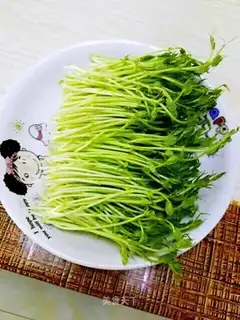
In this fast-paced city of steel and cement, we have lost ourselves to busy work, fresh vegetables that go through childhood and memory, daily walking in a full-of-the-art garden, how many vegetables with a banner of organic vegetables are truly organic, budding balconyes, kitchens, indoors, and operation by the elderly or children. It's really soilless. Production is simple, operation is simple and takes two minutes per day. Growing in person does not add any nutrients (hormonals) to be truly green and healthy。
Recipe Recommendations
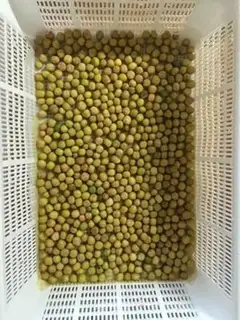
- pea 300g
- disposable lunch boxes several
- paper towel a number of
- watering can a
Steps for Peas seed
1
The peas were soaked with water for two days and one night, and picked out the bad peas. Water is changed three times in the middle。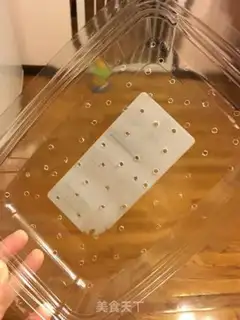
2
A sex pack box emptied at the bottom。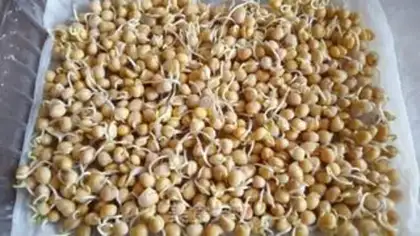
3
A one-time pack of paper towels will be placed in the box and water will be humid and put into the bubbled beans. (The day and night of the weather has begun to sprout.)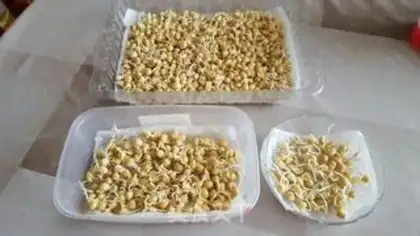
4
Other household items can also be used for beans. Two or three times a day with a canteen。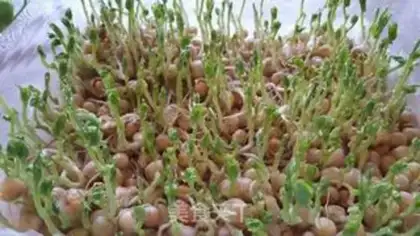
5
The beans on the third day。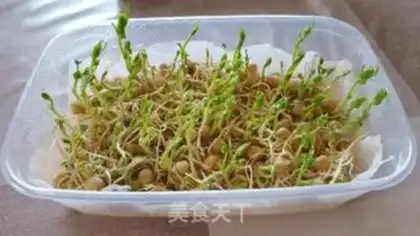
6
The bean of the fourth day。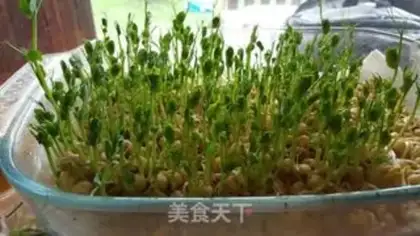
7
The sixth day's bean looks still require water twice or three times a day from the pot。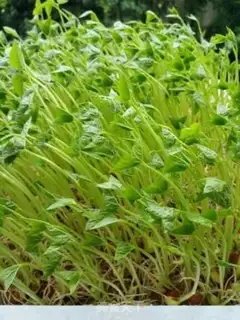
8
On the eighth day, it'll be taken。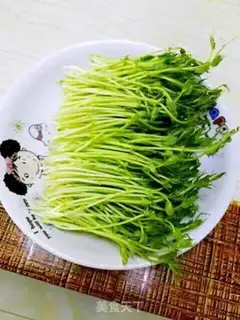
9
Peas seedlings that are harvested can cook soup or be defunct. They all taste very good。Peas seed Make Tips
Figure 2 is a web image. The growth rate of beans depends on the temperature and, in the case of plum weather or lower temperatures, the capacity. 3. Water must be distributed on time, so that every time it is wet, water must not be abundant in order to prevent the presence of rotten beans. 4. This approach may be applied to vegetables such as soybeans, green beans, black beans and chicken caterpillars。