Homemade gin
By VicentaLakin

The rice wine is also called sweet wine, tweak, wine brew. It is a traditional food among my people, which has been consumed for over 2,000 years and is a nutritious health food of popular taste. It is a desirable nutritional good for all children and young people by virtue of the cleanness, fragrance, fragrance, sweetness and acupuncture, rich nutrients such as vitamins, glucose, amino acids, and the ability to feed the blood, live life, rejuvenation, renal and lung
Recipe Recommendations
- glutinous rice 1000 grams
- cold boiled water appropriate amount
- sweet wine yeast 5 grams
- sweetening
- other
- several days
- simple
Steps for Homemade gin
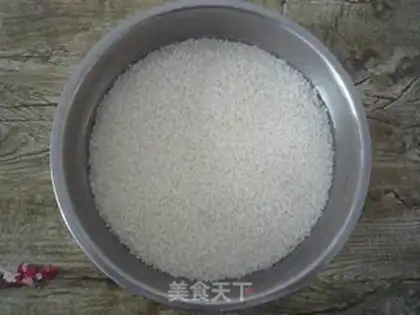
1
It's a day early to use a water bubble. Rice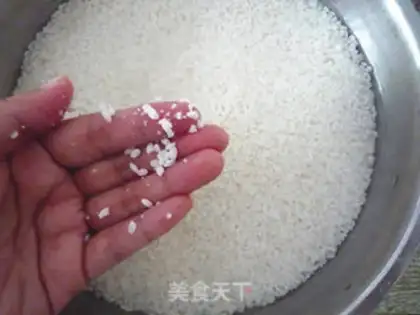
2
You can crush the rice with your hands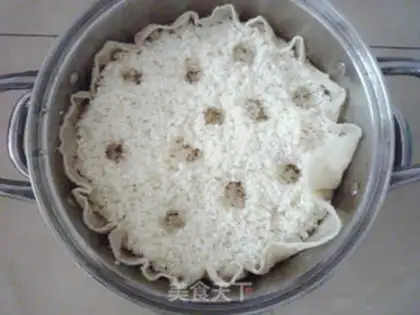
3
Fillet in the steam pan, wash the well-boiled rice once again with the dry water, lay it evenly on the drawers, and pierce a few holes。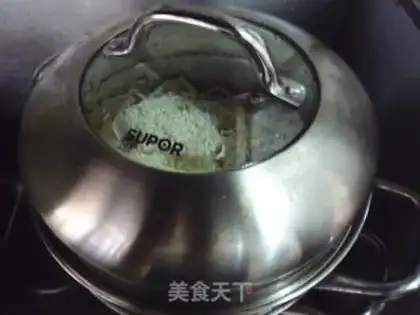
4
It's evaporated for 40 minutes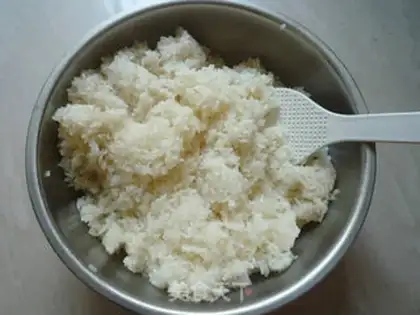
5
Steamed rice is poured into a clean, oil-free bed with an indoor cooling temperature of 30-40 degrees. Don't let it all cool, it's sweeter when it comes out。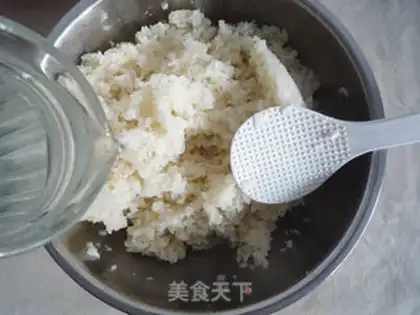
6
The temperature of rice is reduced to about 35° and the rice is dispersed with cool water (preferably around 30°). When you add water, you have to add a little bit of rice, and you have to break up the rice。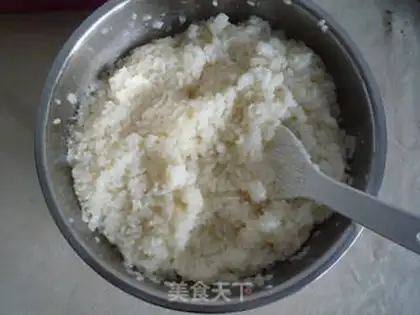
7
A little bit of warm water, around 30 degrees, spreads the rice rice until there is no rice pack. But don't use too much water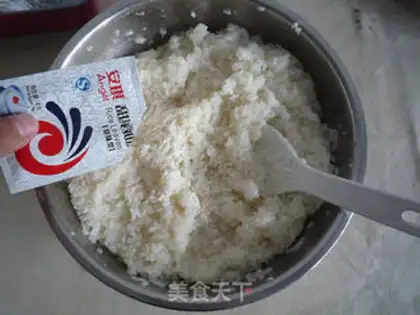
8
I'll add a four-gram mix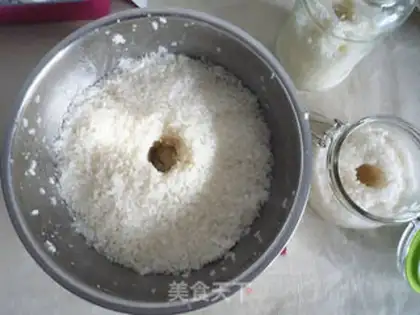
9
Put the rice rice with a spoon and make a hole from the middle, which is called a nest, which is better fermentation and later wine。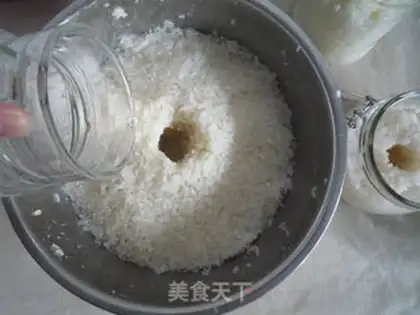
10
Throw a gram of wine in the dug-up dimple and then pour the cool water into two thirds of the dimple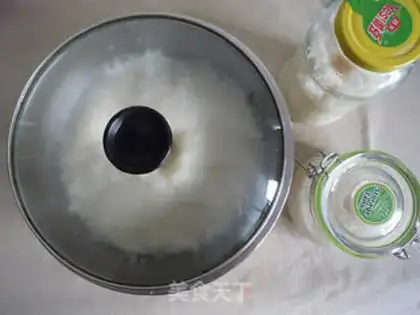
11
Cover it and ferment it in warm for 24-36 hours。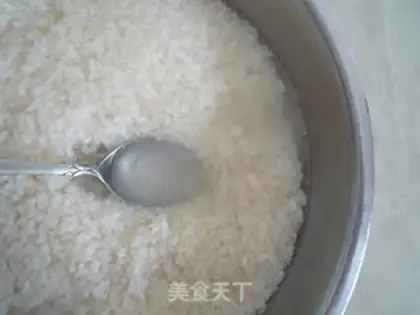
12
Twenty-four-36 hours later, a lot of liquids have surfaced, and that is the wine that is already out and can smell it。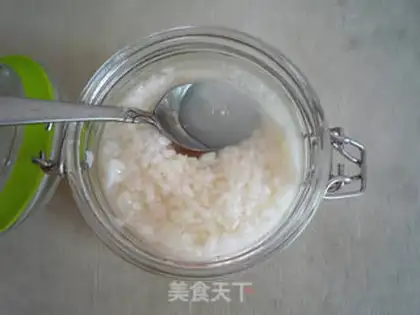
13
With a spoon, you can see a lot of wine, and the rice is floating above the wine, so it's done。Homemade gin Make Tips
1. Throughout the entire process of making rice wine, from soaking to steaming, all utensils—including the steamer and the cloth—must be oil-free. Otherwise, fermentation will fail. This is the most critical point.
2. Whether at the beginning or the end, be sure to use cooled boiled water, not tap water.
3. Poke a few holes in the glutinous rice while steaming so that it cooks through more easily.
4. It is best to add the sweet wine yeast when the rice is around 35°C. If the temperature is too high, it will easily turn sour and the yeast may die; if the temperature is too low, fermentation will be slow or will not occur.