Liang's ribs soup
By VicentaLakin
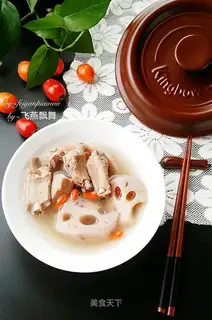
In the winters of Wuhan, almost every household will have a crumb of lumber, and now there's less to burn a beehive's coal stove, and the soup will have a relatively fast electric pressure pan or rice cooker, so that, while you can drink it in a few minutes, the original juice that lacks crumb soup tastes good, and I'll cook the bone soup with a pressure pan, but I'll tell you it's fast, there's no crumb. It's good soup. It's good. It's good. After a bowl of soup, it's so sweet, it's so sweet, it's so sweet, it's so sweet, it's rotten, it's not greasy, it's two pounds of chopbone, it's left every time we eat three of us, it's all gone yesterday. Next time, we'll have to use the canbo pot
Recipe Recommendations
- ribs 1000 grams
- lotus root 2 knots
- salt appropriate amount
- boiling water appropriate amount
- ginger 1 block
- wolfberry fruit a little
- yellow wine appropriate amount
Steps for Liang's ribs soup
1
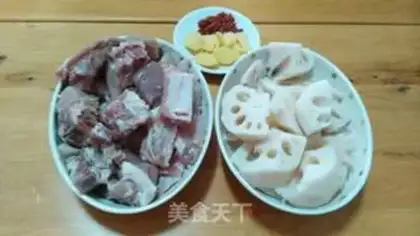
Bone washing cleans dry water, lotion washes cleans up large slices of skin, ginger slices of skin, gill washes clean。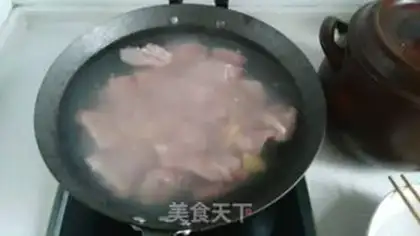
2
Bone water is cold in the pot, ginger tablets are put in, and the fire is open for two minutes to boil in yellow。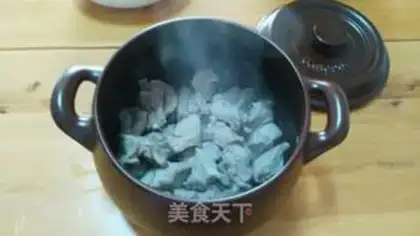
3
The chopsticks were rinsed and rinse into the pot。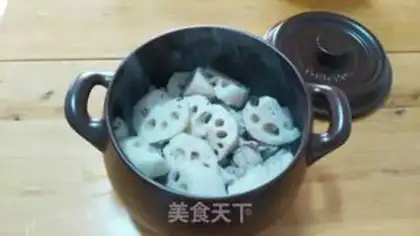
4
Put in the lichen and the ginger。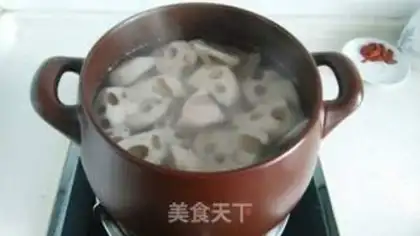
5
It's a one-time water addition。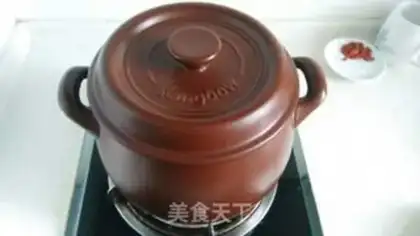
6
Cover the casserole, burn the fire and boil it for about 60 minutes。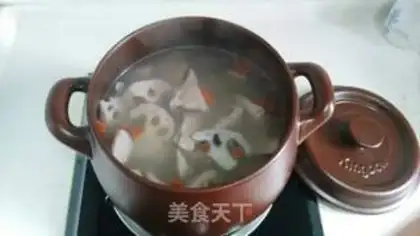
7
When the soup is cooked, the salt, the pepper powder, the platinum for a minute, the luminum ribs are made。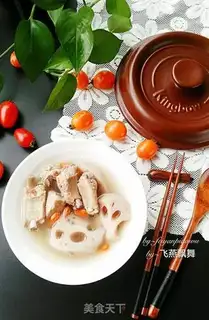
8
The Quinbo casserole is warm, and the soup is warm in an hour, and a nice bowl is made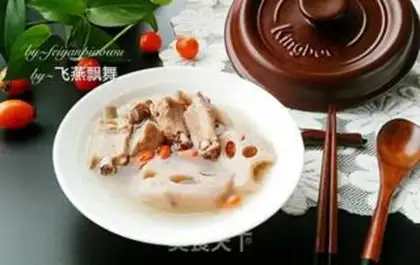
9
Completed Chart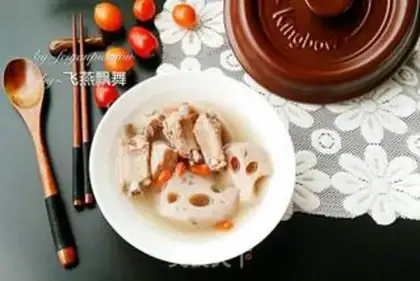
10
Completed Chart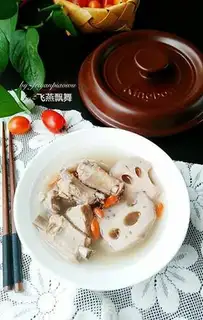
11
Completed Chart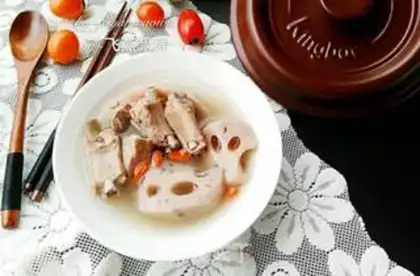
12
Completed ChartLiang's ribs soup Make Tips
One, the casserole soup is very good to ensure the freshness of the tiara soup, and the canopy pot is very well locked and warm. It is not like the usual casserole, when the soup spills out, so long as it's boiled, it doesn't have to be boiled, it's boiled for an hour and the soup is fresh. 2. When the casserole is run out, wash it and then dry it so as to avoid long-term contact with the water in the bottom coil。