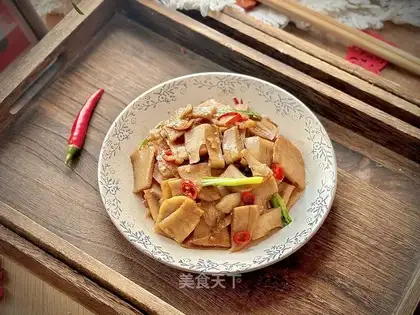
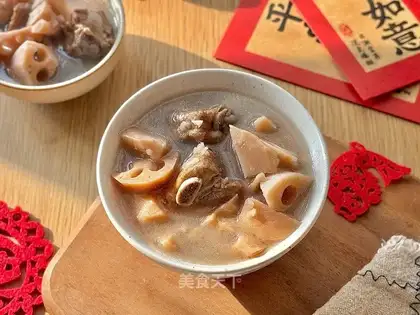
Lotus root, the edible rhizome of the aquatic lotus plant (Nelumbo nucifera), has been a staple in Asian cuisine and traditional medicine for millennia. With its distinctive crunchy texture, subtle sweetness, and versatility in both savory and sweet dishes, lotus root is more than just a culinary delight—it is a nutritional powerhouse packed with health benefits. However, like all foods, it must be consumed wisely to avoid potential risks. This article explores the nutritional value of lotus root, its remarkable health benefits, and important precautions to ensure safe consumption.
I. Nutritional Value: A Treasure Trove of Essential Nutrients
Lotus root is a low-calorie, nutrient-dense food that offers an impressive array of vitamins, minerals, antioxidants, and dietary fiber. A 100-gram serving of raw lotus root contains approximately 74 calories, 17 grams of carbohydrates, 2.2 grams of protein, and 0.1 grams of fat, making it an excellent choice for those seeking a healthy, balanced diet.
1. Rich in Dietary Fiber
One of the standout features of lotus root is its high fiber content, with about 4.9 grams per 100 grams. Fiber is crucial for digestive health, as it adds bulk to stool, promotes regular bowel movements, and prevents constipation. Additionally, soluble fiber found in lotus root helps lower cholesterol levels by binding to bile acids in the digestive system, reducing their absorption into the bloodstream. This fiber also aids in blood sugar regulation by slowing the absorption of glucose, making it beneficial for individuals with diabetes or insulin resistance.
2. Packed with Vitamins
Lotus root is a good source of essential vitamins, particularly vitamin C, vitamin B6, and folate (vitamin B9). A 100-gram serving provides approximately 44% of the daily recommended intake (DRI) of vitamin C, a powerful antioxidant that boosts immune function, supports skin health by promoting collagen synthesis, and protects cells from oxidative damage caused by free radicals. Vitamin B6, present at about 10% of the DRI per serving, plays a key role in metabolism, brain development, and the production of neurotransmitters like serotonin and dopamine. Folate, essential for DNA synthesis and cell division, is particularly important during pregnancy for preventing neural tube defects in fetuses.
3. Abundant in Minerals
The vegetable is also rich in vital minerals, including potassium, manganese, copper, and iron. Potassium, at about 296 mg per 100 grams, helps regulate blood pressure by balancing sodium levels and supporting proper muscle and nerve function. Manganese, a trace mineral, is critical for bone formation, wound healing, and antioxidant defense. Copper, another essential mineral, aids in iron absorption, energy production, and the maintenance of healthy connective tissues. Iron, present in moderate amounts, is vital for hemoglobin production, which carries oxygen throughout the body, making lotus root a valuable food for preventing iron-deficiency anemia.
4. Antioxidants and Bioactive Compounds
Lotus root contains several potent antioxidants, including polyphenols, flavonoids, and alkaloids, which contribute to its health-promoting properties. These compounds neutralize free radicals, reducing oxidative stress and lowering the risk of chronic diseases such as heart disease, cancer, and neurodegenerative disorders. Notably, lotus root is rich in isoquercetin, a flavonoid with anti-inflammatory, antiviral, and anticancer effects. Additionally, it contains p-coumaric acid and ferulic acid, which have been shown to protect against cellular damage and support overall health.
II. Health Benefits: From Disease Prevention to Wellness Enhancement
The unique combination of nutrients and bioactive compounds in lotus root translates to a wide range of health benefits, making it a valuable addition to a balanced diet.
1. Supports Digestive Health
Thanks to its high fiber content, lotus root promotes a healthy digestive system. Fiber acts as a prebiotic, feeding beneficial gut bacteria and maintaining a balanced microbiome. This, in turn, improves digestion, reduces bloating, and lowers the risk of gastrointestinal disorders such as diverticulitis and irritable bowel syndrome (IBS). The vegetable’s mild laxative effect also helps alleviate constipation, ensuring regularity and gut comfort.
2. Boosts Immune Function
The high concentration of vitamin C in lotus root makes it a natural immune booster. Vitamin C stimulates the production and activity of white blood cells, which are the body’s primary defense against infections. It also enhances the skin’s barrier function, preventing pathogens from entering the body. Studies suggest that regular consumption of vitamin C-rich foods like lotus root may reduce the duration and severity of colds and flu.
3. Promotes Heart Health
Lotus root’s heart-protective effects are attributed to its fiber, potassium, and antioxidant content. Potassium helps lower blood pressure by counteracting the effects of sodium, reducing the risk of hypertension and stroke. Fiber lowers LDL (“bad”) cholesterol levels, preventing the buildup of plaque in arteries (atherosclerosis). Meanwhile, antioxidants like polyphenols reduce inflammation in blood vessels and improve endothelial function, further supporting cardiovascular health.
4. Regulates Blood Sugar Levels
For individuals with diabetes or those at risk of developing the condition, lotus root can be a beneficial dietary choice. Its high fiber content slows the digestion and absorption of carbohydrates, preventing sharp spikes in blood sugar after meals. Additionally, some studies suggest that the polyphenols in lotus root may enhance insulin sensitivity, allowing cells to use glucose more efficiently and improving blood sugar control.
5. Enhances Respiratory Health
In traditional Chinese medicine, lotus root has long been used to treat respiratory ailments such as coughs, asthma, and bronchitis. Its anti-inflammatory and expectorant properties help soothe irritated airways, reduce mucus production, and alleviate congestion. Modern research supports this use, as the vegetable’s bioactive compounds exhibit anti-inflammatory effects that may benefit individuals with chronic respiratory conditions.
6. Supports Weight Management
Lotus root is an excellent food for weight management due to its low calorie density and high fiber content. Fiber promotes satiety, reducing hunger and preventing overeating. Additionally, its crunchy texture requires more chewing, which slows down eating and allows the brain to receive signals of fullness, aiding in portion control. By providing essential nutrients without excess calories, lotus root can help individuals achieve and maintain a healthy weight.
III.食用禁忌 (Precautions and Potential Side Effects)
While lotus root is generally safe for most people, there are certain precautions to keep in mind to avoid adverse effects.
1. Raw Lotus Root: A Caution
Raw lotus root contains oxalates, naturally occurring compounds that can interfere with calcium absorption and contribute to kidney stone formation in susceptible individuals. Cooking lotus root significantly reduces oxalate levels, making it safer for consumption. Individuals with a history of kidney stones or those prone to oxalate-related issues should avoid eating raw lotus root and opt for cooked versions instead.
2. Blood-Thinning Medications
Lotus root contains vitamin K, which plays a key role in blood clotting. While this is beneficial for most people, individuals taking blood-thinning medications such as warfarin (Coumadin) must consume lotus root in moderation. Sudden changes in vitamin K intake can interfere with the medication’s effectiveness, increasing the risk of blood clots or bleeding. Such individuals should consult their healthcare provider before adding lotus root to their diet.
3. Digestive Sensitivity
Though lotus root aids digestion, its high fiber content may cause bloating, gas, or abdominal discomfort in some individuals, especially those with sensitive digestive systems. To minimize these effects, start with small portions and ensure the vegetable is cooked thoroughly, as cooking softens the fiber and makes it easier to digest.
4. Allergic Reactions
While rare, some people may be allergic to lotus root, experiencing symptoms such as itching, hives, or swelling. Individuals with known allergies to other root vegetables (e.g., potatoes, carrots) should exercise caution and consume lotus root in small amounts initially to check for adverse reactions.
5. Pregnancy and Breastfeeding
Pregnant and breastfeeding women can safely consume cooked lotus root as part of a balanced diet, as it provides essential nutrients like folate and iron. However, excessive intake should be avoided, particularly of raw lotus root due to its oxalate content. Consulting a healthcare provider is recommended for those with concerns.
Conclusion
Lotus root is a nutritional and culinary gem, offering a wealth of health benefits from improved digestion and immune support to heart health and blood sugar regulation. Its rich profile of vitamins, minerals, fiber, and antioxidants makes it a valuable addition to a healthy diet. However, like all foods, it should be consumed mindfully—cooked rather than raw (for those with kidney concerns), in moderation by individuals on blood thinners, and with caution by those with digestive sensitivities or allergies.
Whether stir-fried, braised, steamed, or added to soups, lotus root’s versatility and mild flavor make it easy to incorporate into a variety of dishes. By understanding its nutritional value, benefits, and precautions, we can fully appreciate this humble vegetable and harness its power to enhance our health and well-being. As the saying goes, “Let food be thy medicine,” and lotus root is a perfect example of nature’s ability to nourish and heal.