Wild fungus soup
By VicentaLakin
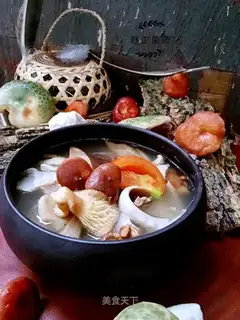
Wild fungus (Wildmushroom), which is unique to Yunnan province, tends to be found in coyote forests such as Yunnan pine, mountain pine, wind pine and mixed forest areas. Wild fungus tastes good, with fats, proteins, carbohydrates, coarse fibres, minerals and multiple vitamins, and often eats bacteria, and contributes a lot to health promotion and disease prevention. Yunnan wild edible bacteria are divided into two bases, eleven goals, thirty-five sections, ninety-six, or approximately 250 species, accounting for more than half of the world ' s edible bacteria and two thirds of the Chinese edible bacteria. In general, the color of the fungus is more colourful, with an apricot, with creeps on its hats, with red spots, gutters, cracks, some of the fungus have spores, rings, and the general fungus will come out of the slurry and smell. The fungus can also be identified in the following ways: In general, the colour of the fungus is more edible, with red purple, yellow or chromosomal spots on the umbrella, rings and torses on the handle. Smell. The fungus tends to be spicy, stenchy and bitter, while the fungus has the fragrance inherent in it. 3. Colour modification tests. Wipe it on the bacterium cover, if it turns tan and proves to be toxic, and vice versa. When the fungus is boiled, silver is often turned black and garlic blue or brown. 4. Milk test. A small amount of fresh milk is spilled on the microcosm surface, which may be toxic if the milk is lumped on its surface。
Recipe Recommendations
- termitomyces albuminosus 200g
- milk plasma 150g
- Russula virescens 150g
- three-line meat 200g
- broth 1500g
- salt 6G
- pepper 1 spoon
- lard 3 spoons
- garlic 2 cloves
- salty and fresh
- cook
- an hour
- ordinary
Steps for Wild fungus soup
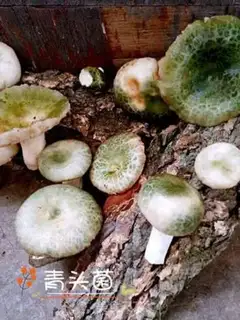
1
Clostridium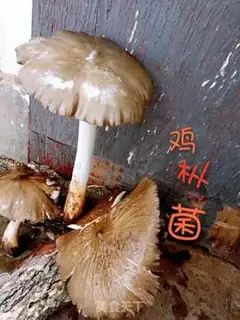
2
Chicken fungus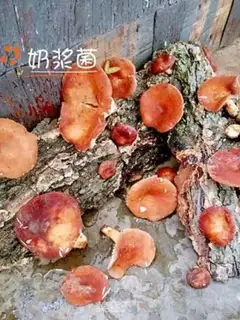
3
Milk bacteria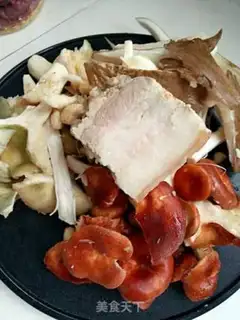
4
Preparing food supplies (bacterium wash-up tore-up)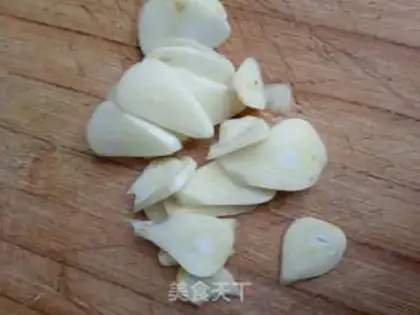
5
Garlic slices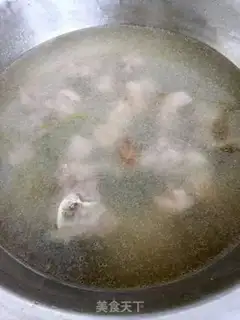
6
The soup is in the boiler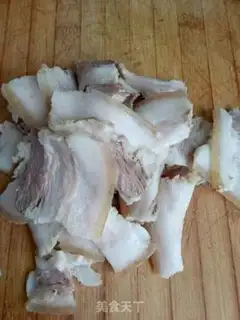
7
Three-line meat slices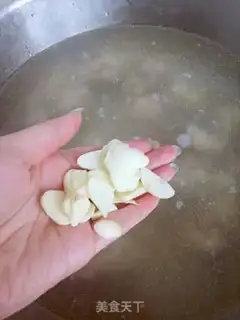
8
I need garlic in the soup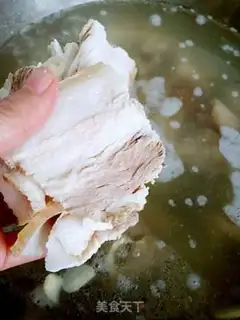
9
Put it in the sliced trim. Burn it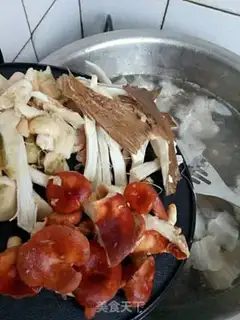
10
Into the wild bacteria, in the fire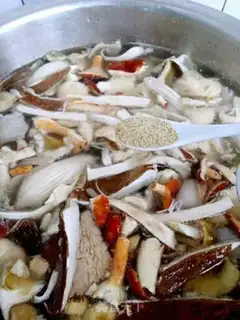
11
Add pepper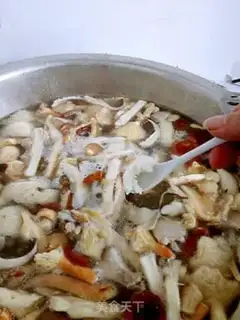
12
Add pig oil and boil it for 40 minutes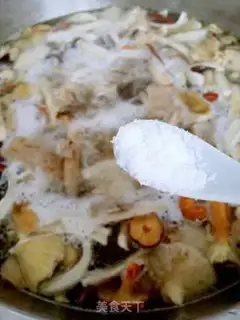
13
If you add salt to the pot, you'll have to put it on fire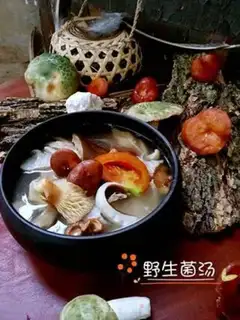
14
Product Map Advantage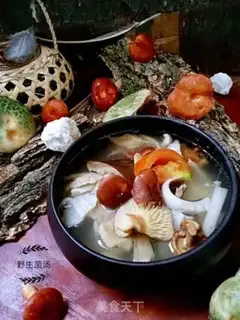
15
Product Map Advantage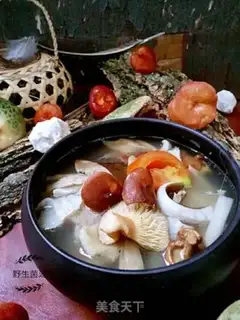
16
Product Map AdvantageWild fungus soup Make Tips
1. Do not take bacteria that are not familiar with them, especially in colour. It is best to eat one wild bacteria at a time. b. The wild bacteria collected should not be set together because different species of wild bacteria are susceptible to chemical reactions and non-toxic bacteria become toxic. Care must be taken when processing, such as eating bovine hepatitis, and the best way to do so is to cook first and reduce toxicity to reduce the likelihood of poisoning. 3. When you go to the market to buy the fungus, it is better to buy the fungus you have eaten, without any danger, and to buy it and then eat it when it's ready to go. 4. Do not drink when eating bacteria. Some wild bacteria, although not toxic, contain certain components that react chemically with ethanol contained in alcohol, creating toxins that cause poisoning, so it is preferable not to drink when eating wild bacteria。