Introduction
In the vast world of edible fungi, few varieties captivate the senses quite like the qing tou jun (青头菌), or "green-capped mushroom." Named for its striking emerald-green to bluish cap and slender white stem, this wild mushroom is a prized ingredient in Chinese cuisine, particularly in the Yunnan and Sichuan provinces. For centuries, it has been celebrated not only for its delicate, slightly nutty flavor but also for its purported health benefits. As interest in functional foods and wild ingredients grows, the qing tou jun has emerged as a subject of scientific curiosity, revealing a profile rich in nutrients, bioactive compounds, and therapeutic potential. This article explores the nutritional value, health benefits, and important precautions associated with consuming qing tou jun, offering a comprehensive guide for food enthusiasts and health-conscious individuals alike.
Nutritional Profile of Qing Tou Jun
Qing tou jun belongs to the Tricholoma genus, a group of mushrooms known for their symbiotic relationships with trees, particularly pine and oak. Like other edible fungi, it is a low-calorie, nutrient-dense food, offering a unique combination of vitamins, minerals, proteins, and antioxidants.
1. Macronutrients: Low-Calorie, High-Protein
A 100-gram serving of fresh qing tou jun contains approximately 22–30 calories, making it an ideal choice for weight-management diets. It is rich in protein, with 2–3 grams per 100 grams—comparable to some legumes and higher than many common vegetables. The protein includes all nine essential amino acids, such as lysine, leucine, and phenylalanine, which are crucial for muscle repair, immune function, and hormone synthesis.
2. Micronutrients: Vitamins and Minerals
Qing tou jun is a powerhouse of essential vitamins and minerals:
- B Vitamins: It is particularly high in niacin (B3) and riboflavin (B2), which play key roles in energy metabolism, nervous system health, and skin maintenance. A 100-gram serving can provide up to 30% of the daily recommended intake of niacin, which supports cardiovascular health by lowering cholesterol levels.
- Vitamin D: Like many mushrooms exposed to sunlight, qing tou jun contains ergosterol, a precursor to vitamin D2. When exposed to UV light, ergosterol converts to vitamin D, which is vital for calcium absorption, bone health, and immune regulation.
- Minerals: It is an excellent source of potassium (helps regulate blood pressure and fluid balance), phosphorus (supports bone and teeth health), iron (prevents anemia), and zinc (boosts immune function and wound healing). Notably, its potassium content is higher than that of bananas, making it a heart-healthy food choice.
3. Bioactive Compounds: Antioxidants and Polysaccharides
What sets qing tou jun apart from other mushrooms is its exceptional content of bioactive compounds:
- Antioxidants: The mushroom is rich in polyphenols, flavonoids, and triterpenoids, which combat oxidative stress by neutralizing free radicals. These compounds are linked to a reduced risk of chronic diseases, including cancer and neurodegenerative disorders.
- Polysaccharides: Beta-glucans, a type of polysaccharide found in qing tou jun, have immunomodulatory effects. They enhance the activity of macrophages and natural killer (NK) cells, strengthening the body’s defense against infections and tumors.
- Ergothioneine: This unique amino acid, often called the "longevity vitamin," is abundant in qing tou jun. It has potent antioxidant properties and protects cells from damage caused by UV radiation and environmental toxins.
Health Benefits of Qing Tou Jun
The combination of nutrients and bioactive compounds in qing tou jun contributes to a range of health benefits, supported by both traditional use and emerging scientific research.
1. Immune System Support
The beta-glucans in qing tou jun are well-documented for their ability to modulate the immune system. Studies show that these polysaccharides activate immune cells such as dendritic cells and T-lymphocytes, enhancing the body’s ability to fight bacterial and viral infections. Additionally, the high zinc content further supports immune function by promoting the production of white blood cells.
2. Anticancer Potential
Preliminary research suggests that qing tou jun may have anticancer properties. The triterpenoids in the mushroom have been shown to inhibit the proliferation of cancer cells, particularly in breast and liver cancers. Beta-glucans also stimulate apoptosis (programmed cell death) in malignant cells while sparing healthy ones. While more human trials are needed, these findings highlight the mushroom’s potential as a complementary therapy in cancer prevention.
3. Cardiovascular Health
Qing tou jun is heart-healthy for several reasons: its high potassium and low sodium content helps regulate blood pressure; niacin lowers LDL ("bad") cholesterol and increases HDL ("good") cholesterol; and antioxidants reduce oxidative damage to blood vessels, lowering the risk of atherosclerosis. A 2020 study published in the Journal of Agricultural and Food Chemistry found that regular consumption of qing tou jun improved lipid profiles in lab rats, suggesting similar benefits for humans.
4. Antidiabetic Effects
The mushroom may help manage diabetes by improving insulin sensitivity. Polysaccharides in qing tou jun have been shown to inhibit the activity of alpha-glucosidase, an enzyme that breaks down carbohydrates into glucose. By slowing carbohydrate digestion, these compounds help prevent post-meal blood sugar spikes. Additionally, its high fiber content promotes satiety, aiding in weight management—a key factor in diabetes control.
5. Brain Health and Longevity
Ergothioneine, the "longevity vitamin" in qing tou jun, is particularly beneficial for brain health. It crosses the blood-brain barrier and protects neurons from oxidative stress, reducing the risk of Alzheimer’s and Parkinson’s diseases. The mushroom’s B vitamins also support cognitive function by aiding in the synthesis of neurotransmitters like serotonin and dopamine.
6. Anti-Inflammatory Properties
Chronic inflammation is linked to conditions like arthritis, asthma, and heart disease. Qing tou jun contains flavonoids and phenolic acids that inhibit pro-inflammatory enzymes (e.g., COX-2) and cytokines (e.g., TNF-alpha), helping to alleviate inflammation. Traditional Chinese medicine has long used it to reduce swelling and pain, a practice now validated by modern research.
Culinary Uses and Preparation Tips
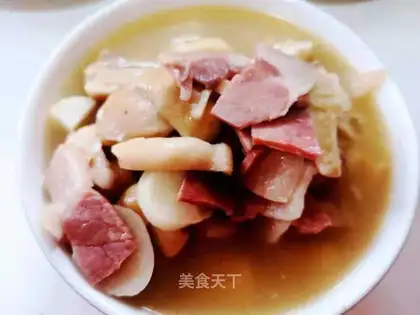
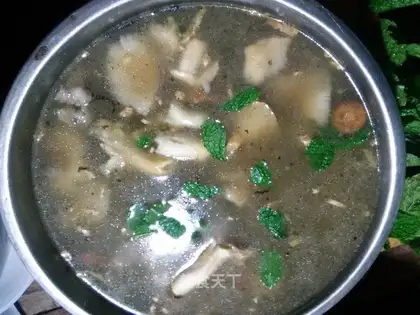
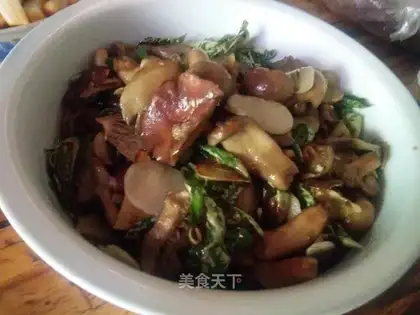
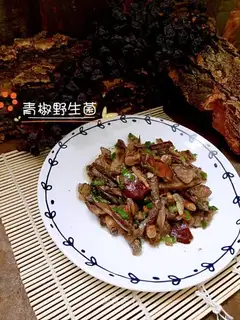
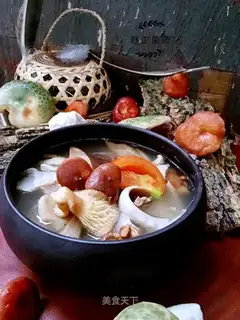
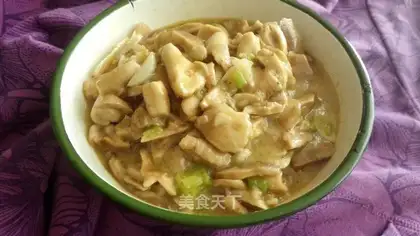
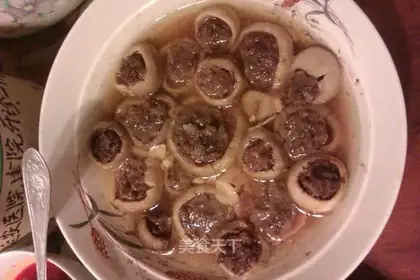
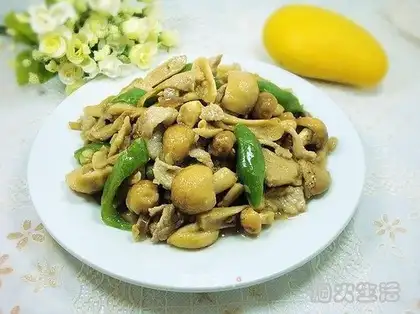
Beyond its health benefits, qing tou jun is a culinary delight. Its mild, slightly sweet flavor and firm, meaty texture make it versatile in both stir-fries, soups, and braised dishes. To maximize its nutritional value and safety:
- Cleaning: Gently wipe the mushroom with a damp cloth to avoid soaking it, as it absorbs water easily and may become mushy.
- Cooking: Always cook qing tou jun thoroughly to break down chitin (a fiber in mushroom cell walls) and enhance nutrient bioavailability. Sautéing with garlic, ginger, and soy sauce is a popular preparation, or it can be added to hot pots for a umami-rich flavor.
Precautions and Potential Side Effects
While qing tou jun is generally safe for consumption, certain precautions must be taken to avoid adverse effects:
1. Toxicity and Misidentification
The greatest risk associated with qing tou jun is misidentification. Wild mushrooms can be confused with toxic varieties, such as the deadly Gyromitra esculenta ("false morel"), which also has a cap. To ensure safety, only purchase qing tou jun from reputable suppliers or forage with an expert. Symptoms of mushroom poisoning include nausea, vomiting, and organ failure, which can be fatal if untreated.
2. Allergic Reactions
Though rare, some individuals may be allergic to qing tou jun. Symptoms include hives, itching, or difficulty breathing. Those with a history of mushroom allergies should avoid it or consume a small test portion first.
3. Drug Interactions
Qing tou jun may interact with blood-thinning medications (e.g., warfarin) due to its vitamin K content, which can affect clotting. Individuals on such medications should consult a doctor before adding it to their diet.
4. Pregnancy and Breastfeeding
There is limited research on the safety of qing tou jun during pregnancy or breastfeeding. Pregnant women should avoid it or seek medical advice to prevent potential risks.
Conclusion
Qing tou jun is more than just a delicious ingredient—it is a nutritional and medicinal marvel. Its rich profile of protein, vitamins, minerals, and bioactive compounds makes it a valuable addition to a healthy diet, offering benefits for immunity, heart health, and longevity. However, its wild nature demands caution: proper identification, thorough cooking, and awareness of potential allergies or drug interactions are essential to safely enjoy its virtues. As research continues to uncover its therapeutic potential, qing tou jun is poised to become a staple in both gourmet kitchens and functional food markets, bridging the gap between culinary tradition and modern wellness.
In a world where natural, nutrient-dense foods are increasingly valued, the green-capped mushroom stands out as a testament to the power of nature to nourish and heal—one delicious bite at a time.