Chestnut
By VicentaLakin
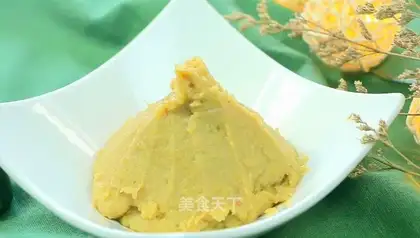
IT CONTAINS RICH, UNSATURATED FATTY ACIDS AND VITAMINS, AS WELL AS VERY HIGH PROTEINS, CALCIUM, PHOSPHORUS, IRON AND POTASSIUM MINERALS, AS WELL AS VITAMINS C, B1, B2, ETC., WHICH HAVE A HEALTHY STOMACH AND A STRONG BODY. IT'S THE RIGHT THING TO DO WHEN THE BABY CAN'T CHEW THE CHESTNUTS AND TRY TO FEED THE CHESTNUTS. IT'S ACTUALLY MADE OF GREASY, NOT JUST IN RICE POWDER, PORRIDGE. IT CAN ALSO STEAM/COOK A FEW DAYS BEFORE THE ENTRANCE. MAKE BUNS, MOONCAKES, WAFFLES, PANCAKES ARE ALSO READY
Recipe Recommendations
- chestnut appropriate amount
Steps for Chestnut
1
Food: Chestnut2
Chestnut on the pot for 20 minutes。3
Cut while it's hot。4
Easy to go to the skin。5
Lots of big pieces. But if it cools down, it's hard to peel。6
Chestnuts with warm water. Chestie: The cuisine sticks are sterilised with hot water before they hit. More water is added to the mud, and the mud is more subtle, but not too much, and too much is turned into chestnut juice。7
Six months for a baby to eat greasy mud. In the age of the month when the baby can't chew the chestnuts, you want the baby to eat the chestnuts, that's all。8
If you don't finish the food, you'll be able to eat the cold grey, and if you freeze for more than four hours, you'll be able to come out and put your bags and keep them frozen。