Jiangmao dumplings
By AracelyBlock
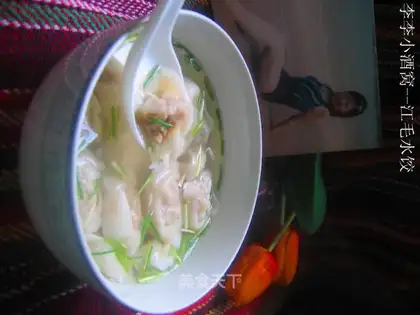
Jiang Qingfu, the creator of "Jiang (gan) Mao Dumplings", carried loads of dumplings to sell dumplings in the Xiaonanmen area of Anqing during the Guangxu period of the Qing Dynasty. This dumpling is made of black pig hind leg meat in mountainous areas, served with shrimp meat, and made with pickled mustard. The dumplings are cooked with stewed chicken sauce or bone chicken. It has a unique flavor of thin skin, tender meat and fresh soup. Because Jiang Qingfu has a tuft of white hair on his neck, he is nicknamed "Jiang Mao", so he has the name "Jiang Mao Dumplings". In the third year of the Republic of China (1914), the "Jiang Wanchun" dumpling shop was opened. Its descendants inherited the business and its business has been prosperous for a long time. Jiangmao Dumplings are a kind of riverside snacks among Anhui snacks. They are called dumplings, but they are actually wontons.
Recipe Recommendations
- flour appropriate amount
- mustard appropriate amount
- shrimp appropriate amount
- meat appropriate amount
- soy sauce appropriate amount
- soy sauce appropriate amount
- cooking wine appropriate amount
- salt appropriate amount
- sugar appropriate amount
- sesame oil appropriate amount
- green onion appropriate amount
- salty and fresh
- cook
- three-quarters of an hour
- ordinary
Steps for Jiangmao dumplings
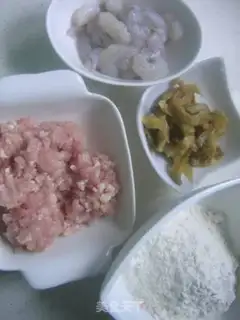
1
Prepared materials.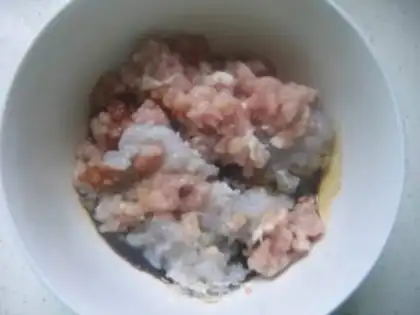
2
Wash the shrimps and put them into the meat filling, add cooking wine, soy sauce, soy sauce, salt, and sugar, slowly add water and stir in one direction.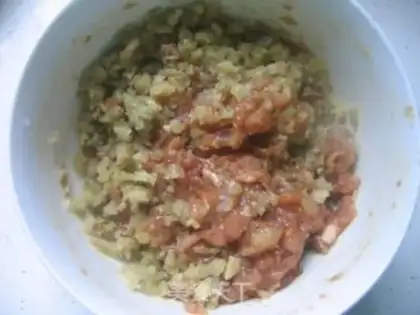
3
Add pickled mustard.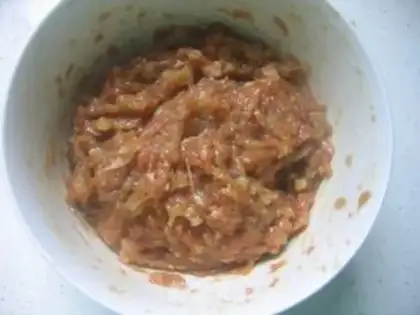
4
Stir until strong until set aside.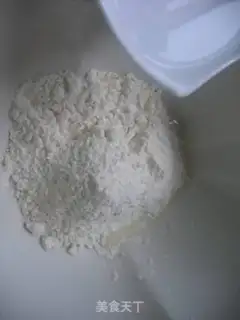
5
Slowly pour cold water into the flour.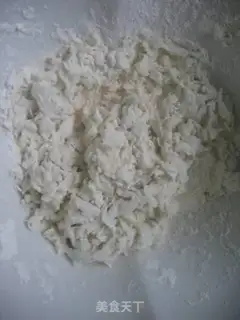
6
Use chopsticks to stir into dough.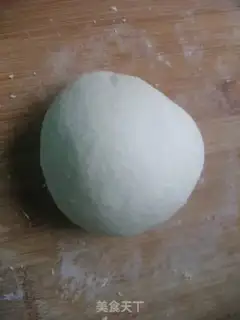
7
Knead into a smooth dough and simmer for 10 minutes.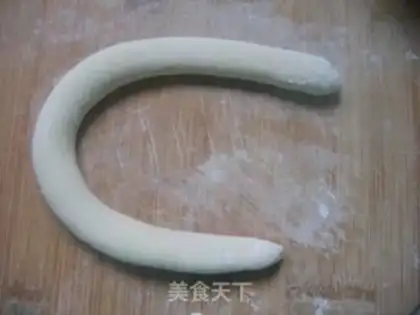
8
Rub into long strips.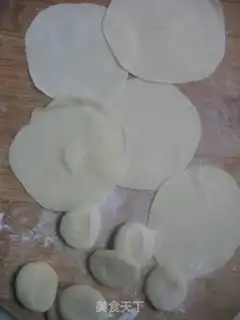
9
Cut into evenly divided ingredients and roll into thin dough.
10
Put the stuffing into the dough and wrap into wontons.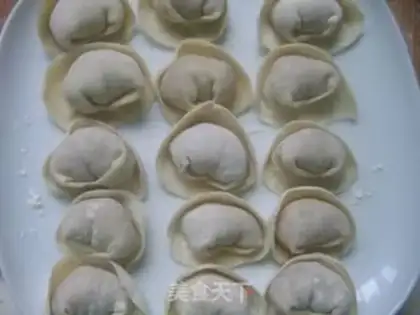
11
The wrapped wonton blanks.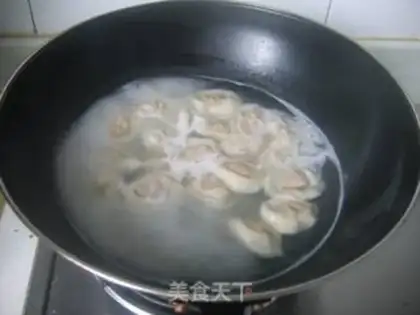
12
Pour the stock into the pan and cook until the wontons are cooked until they float and remove.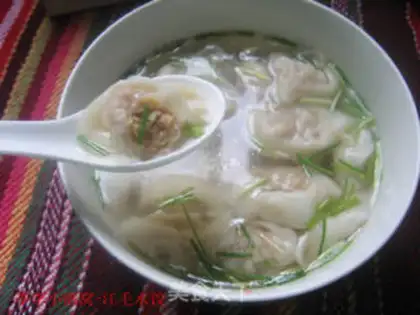
13
Pour into a bowl and add the stock.