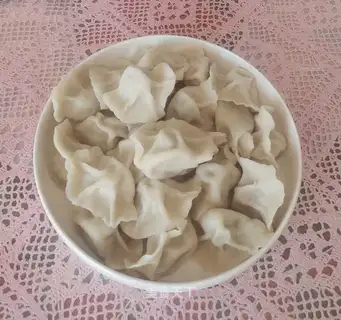
Ground meat, a versatile staple in cuisines worldwide, is derived from finely chopping or grinding various animal proteins, including beef, pork, lamb, poultry, and even plant-based alternatives. Its convenience, adaptability, and rich nutritional profile have made it a cornerstone of both traditional home cooking and modern gastronomy. From hearty pasta sauces to juicy burgers and delicate dumplings, ground meat serves as a canvas for diverse flavors. However, its consumption is not without controversy, as nutritional value varies significantly by type, fat content, and preparation. This article explores the nutritional composition of ground meat, its health benefits, and important precautions to maximize its benefits while minimizing risks.
I. Nutritional Value of Ground Meat
The nutritional composition of ground meat is primarily determined by its source animal, fat percentage, and processing methods. Below is a breakdown of its key nutrients:
1. High-Quality Protein
Ground meat is an excellent source of complete protein, providing all nine essential amino acids (histidine, isoleucine, leucine, lysine, methionine, phenylalanine, threonine, tryptophan, and valine) that the human body cannot synthesize independently. Protein is vital for muscle repair, immune function, enzyme production, and hormone regulation. For example:
- 100g of lean ground beef (10% fat) contains approximately 25-27g of protein, meeting over 50% of the average daily protein requirement for adults.
- Ground chicken or turkey (breast meat) offers even higher protein content (around 30g per 100g) with lower fat, making it a preferred choice for low-calorie diets.
2. Essential Vitamins
Ground meat is rich in B vitamins, particularly vitamin B12 (cobalamin), which is crucial for nerve function, DNA synthesis, and red blood cell formation. Since vitamin B12 is almost exclusively found in animal products, ground meat is a critical dietary source for vegetarians and vegans who may lack it. Other notable B vitamins include:
- Niacin (B3): Supports metabolism and skin health.
- Vitamin B6: Aids in protein metabolism and neurotransmitter production.
- Riboflavin (B2): Essential for energy production.
A 100g serving of ground beef can provide over 60% of the daily recommended intake of vitamin B12.
3. Minerals
Ground meat is a concentrated source of highly bioavailable minerals, including:
- Iron: Ground meat contains heme iron, the type most easily absorbed by the body (15-35% absorption rate, compared to 2-20% for non-heme iron from plants). Iron is vital for oxygen transport in hemoglobin and preventing anemia. For instance, 100g of lean ground beef provides 2.5-3mg of iron, covering 15-20% of the daily requirement for adult women.
- Zinc: Supports immune function, wound healing, and DNA synthesis. Ground beef provides 4-7mg of zinc per 100g, meeting 30-50% of daily needs.
- Selenium: Acts as an antioxidant, protecting cells from damage, and supports thyroid function. A 100g serving of ground meat typically contains 15-30µg of selenium (27-55% of the daily recommended intake).
4. Fats: The Double-Edged Sword
Fat content in ground meat varies widely:
- Lean varieties (e.g., ground sirloin, 90% lean): Contain 5-10% fat, mostly monounsaturated and saturated fats, with minimal cholesterol.
- Fatty varieties (e.g., ground chuck, 70% lean): Can have 20-30% fat, with higher levels of saturated fat, which, when consumed excessively, may increase the risk of cardiovascular disease.
However, fat also enhances flavor and satiety, and provides fat-soluble vitamins (A, D, E, K). Some cuts, like ground lamb, contain conjugated linoleic acid (CLA), a fatty acid linked to potential anti-inflammatory and metabolic benefits.
II. Health Benefits of Ground Meat
When consumed as part of a balanced diet, ground meat offers several health benefits:
1. Muscle Maintenance and Growth
The high-quality protein in ground meat stimulates muscle protein synthesis (MPS), making it particularly beneficial for athletes, older adults (to combat sarcopenia), and individuals recovering from injury. A 2020 study in the Journal of the Academy of Nutrition and Dietetics found that regular consumption of lean ground meat (3-4 times per week) combined with resistance training significantly increased muscle mass and strength in older adults.
2. Prevention of Nutrient Deficiencies
For populations at risk of deficiencies—such as pregnant women, infants, and individuals with malabsorption disorders—ground meat is a nutritional powerhouse. Its heme iron content helps prevent iron-deficiency anemia, while vitamin B12 supports fetal brain development and prevents neurological disorders. Zinc and selenium further bolster immune function, reducing susceptibility to infections.
3. Satiety and Weight Management
Protein and fat in ground meat promote satiety, helping to curb overeating and support weight management. A 2018 study in Obesity showed that meals high in lean protein (like ground turkey) increased post-meal fullness and reduced subsequent calorie intake by 12% compared to high-carbohydrate meals. This makes ground meat a valuable component of calorie-controlled diets.
4. Cognitive and Neurological Health
Vitamin B12 plays a critical role in maintaining the myelin sheath that protects nerve fibers. Deficiency can lead to cognitive decline, memory loss, and peripheral neuropathy. Regular consumption of ground meat helps maintain healthy B12 levels, potentially reducing the risk of age-related cognitive impairment, as suggested by a 2019 review in Nutrients.
III. Precautions and Potential Risks
While ground meat offers numerous benefits, improper selection, preparation, or consumption can pose health risks. Key precautions include:
1. Fat Content and Cardiovascular Health
High intake of saturated fat (common in fatty ground meats like ground chuck or regular ground pork) is linked to elevated LDL (“bad”) cholesterol, increasing the risk of atherosclerosis and heart disease. The American Heart Association recommends limiting saturated fat to less than 5-6% of daily calories (approximately 13-15g for a 2,000-calorie diet). Opting for lean varieties (90% lean or higher) or trimming visible fat can mitigate this risk.
2. Food Safety: Bacterial Contamination
Ground meat has a higher surface area than whole cuts, increasing the risk of bacterial contamination (e.g., E. coli, Salmonella, Listeria). To minimize risks:
- Cook thoroughly: Ground meat should be cooked to an internal temperature of 71°C (160°F) for beef, pork, and lamb; 74°C (165°F) for poultry.
- Avoid cross-contamination: Use separate cutting boards, utensils, and plates for raw meat.
- Refrigerate promptly: Store ground meat at 4°C (40°F) or below and consume within 1-2 days of purchase.
3. Processed Ground Meats: Sodium and Additives
Processed ground meats (e.g., sausages, meatballs, or pre-seasoned mixes) often contain high levels of sodium, preservatives (e.g., nitrates), and unhealthy fats. Excessive sodium intake is linked to hypertension, while nitrates may form carcinogenic nitrosamines in the body. The World Health Organization classifies processed meats as Group 1 carcinogens (carcinogenic to humans), advising limited consumption.
4. Balanced Diet: Moderation and Variety
Over-reliance on ground meat can displace other nutrient-dense foods (e.g., fish, legumes, vegetables). A healthy diet should emphasize variety: for example, substituting ground meat with fatty fish (rich in omega-3s) or plant-based proteins (e.g., lentils, tofu) several times a week. For red meat (beef, lamb, pork), the World Cancer Research Fund recommends limiting intake to no more than 500g cooked weight per week.
5. Individual Health Considerations
Certain populations should exercise caution:
- People with heart disease or diabetes: Lean poultry or plant-based alternatives are preferable due to lower saturated fat.
- Pregnant women: Avoid undercooked ground meat to reduce the risk of Listeria infection, which can harm the fetus.
- Those with gout: Organ meats (e.g., liver) in ground form are high in purines, which may trigger gout flares.
IV. Maximizing the Benefits: Smart Choices and Preparations
To enjoy ground meat healthily, consider the following tips:
- Choose lean cuts: Look for labels like “90% lean” or “extra lean,” or opt for ground poultry (white meat) for lower fat.
- Limit processing: Avoid pre-seasoned or flavored varieties; add herbs, spices, and vegetables at home to control sodium and additives.
- Combine with fiber-rich foods: Pair ground meat with whole grains (e.g., brown rice, whole-wheat pasta) and vegetables (e.g., spinach, bell peppers) to enhance nutrient intake and promote digestive health.
- Practice healthy cooking methods: Grill, bake, or stir-fry instead of deep-frying; drain excess fat after cooking.
Conclusion
Ground meat is a nutrient-dense food that provides high-quality protein, essential vitamins, and minerals, offering benefits for muscle health, cognitive function, and nutrient sufficiency. However, its health impact depends heavily on selection, preparation, and moderation. By choosing lean varieties, ensuring proper cooking, and balancing it with other foods, individuals can harness the nutritional power of ground meat while minimizing risks. As with any dietary component, informed choices are key to incorporating it into a healthy, sustainable lifestyle. Whether in a classic Bolognese, a turkey burger, or a vegetable-stir-fry, ground meat remains a valuable tool in culinary and nutritional science—when approached with knowledge and care.