Soup soup
By VicentaLakin
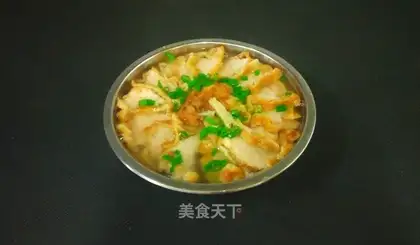
It's almost New Year's. There's not much hard food on the table. In many places in Chongqing Sichuan, traditional dishes are common. The fragrance that you smell before you open is actually the purified whiteness of the steam cage, the mixed taste of soy sauce. In my hometown, the skinny meat with no bone-covered noodles is called soufflé, the skinny meat with bones-covered noodles is called soufflé, and the sliced meat is called soufflé。
Recipe Recommendations
- pork belly appropriate amount
- yellow pea appropriate amount
- sweet potato starch appropriate amount
- soy sauce appropriate amount
- pepper powder appropriate amount
- eggs appropriate amount
- rapeseed oil appropriate amount
- shallots appropriate amount
- laojiang appropriate amount
- salt appropriate amount
Steps for Soup soup
1
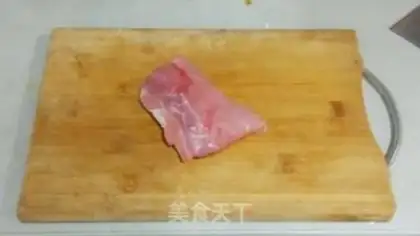
half a pound of thin meat, about 3x4x10 cm long, size. (selection of shoulder meat, plum meat, or removal of the fattest part of the meat, because it's good for weight and good for wood. i don't like fat meat. just lean meat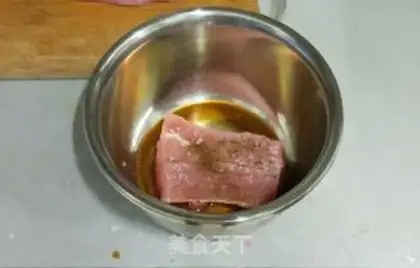
2
Soy sauce is about the size of the thumb, salt 1/4 small thumb size, pepper 1/4 small thumb size, rubbing for about five minutes, pacing, waiting for about five minutes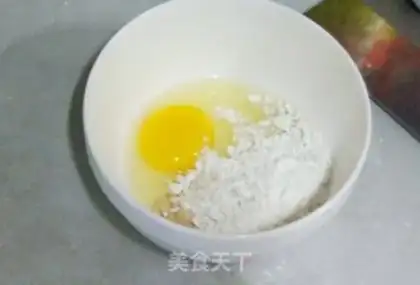
3
Pickled meat at the same time, slobbered. Eggs one by one. Gradually add somato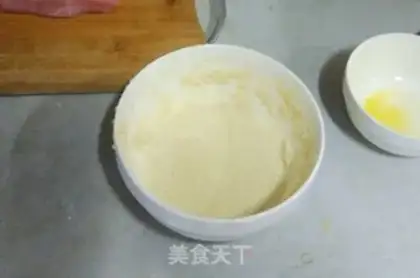
4
It's just like a cake-making egg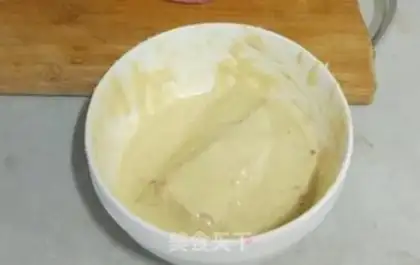
5
Picking up meat from pickled juice, putting it in the slurry and covering it up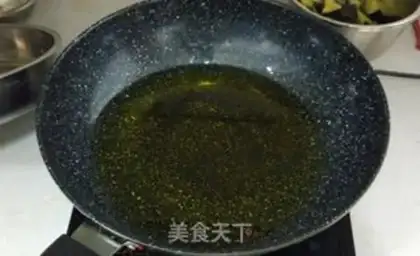
6
1. Seed oil of about 1.5 litres. Fire heats. A drop of slurries can float quickly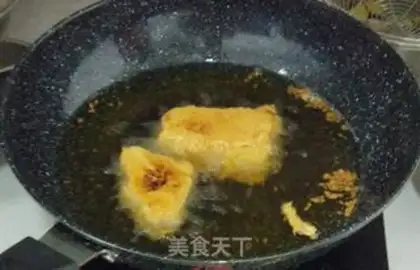
7
1. The meat is extracted from the plasma and rotates around it, so that it is evenly attached to the table. The meat is put in the oil for about three or four minutes with a little fire, three or three minutes with the oil heated, one or two minutes with the roasted meat, making the surface of the sluice coats corrosive, with a spoon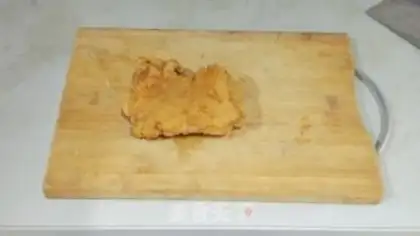
8
Once it's blown, pick up the filter and cool it off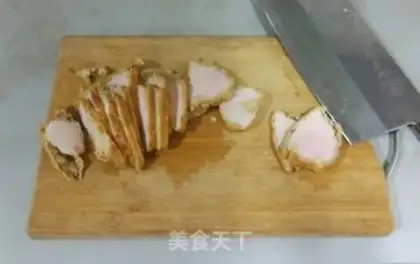
9
You can cut the meat from three millimeters to about half a centimetre thick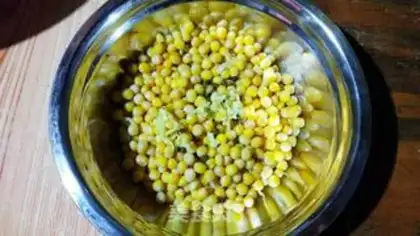
10
Add a 1/2 volume of peas to the basin, a 1/4 small thumb volume of old ginger cut particles and about 10 peppers. Chongqing's market or supermarkets can buy rake beans for soft peas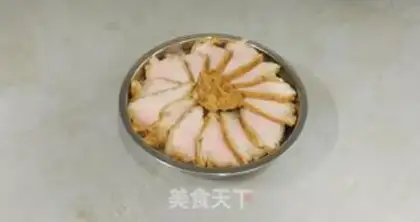
11
Pair a piece of meat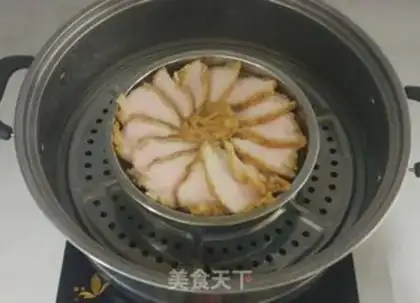
12
Put the steamed steam pot on. More than an hour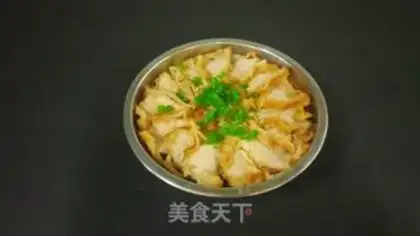
13
Steam after. Spill five centimetres in diameter. Onion flower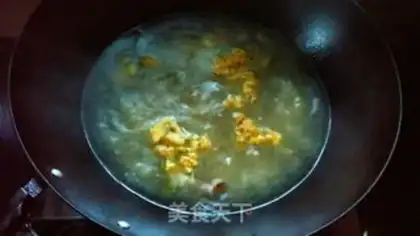
14
Before steaming, hot soup can be made from pure chicken soup or cut casserole. Salt tastes more salty than directly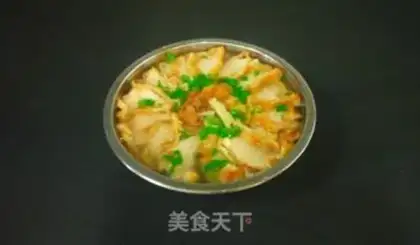
15
You can put the steamed meat on the tableSoup soup Make Tips
Meat treatment, which cannot be too big and long, can be difficult to taste, well-fried and stereotyped. 2. The meat needs to be salted in order to make it smelly. Otherwise, when it evaporates, it will be diluted by salty sugar. 3. Plasma-modulation, which cannot be too dense, otherwise it will not be easy to evenly cover the body, which will result in a flat but fast flow, resulting in thinness and a thinness, which will affect the taste and not too thick. Two or three millimeters thicker than the blast would have been more appropriate. 4. If the fried oil was to be used with a small fire, the meat would otherwise have been burned. 5. Cutting cannot be too thin, not chewing on the head, not too thick, affecting the taste. Three millimeters to half a centimetre thick is more appropriate. 6. Steam meat, which changes from semi-premium to half an hour ' s evaporation, is fully fertilized but tastes hard. After an hour, a large amount of steam was absorbed and the evacuation began. So the steam, as long as possible, will last for one or two hours, so that it can be evacuated without wood. The soup that is made is not too odourous and overstretched, so it is usually made from the cuisine horns, or from pure chicken soup (since the chongqing country feast often has to be cooked with more popular saloon chickens and white-buttoned meat, it is easier to get chicken soup, which is commonly used). It's a little fire in a steam cage, a warmer, and when you come to the table, you're going straight to the table with soup and soup. 9. The soup for counterfeit food is a little bit more salty than the soup for usual direct consumption, and is partly salty because of steam。