Pillage
By VicentaLakin
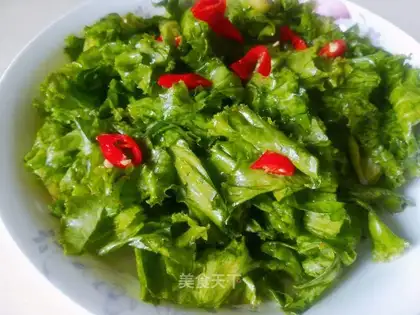
vegetable vegetables are rich in vitaminsc that enhance immunity and resistance. it contains minerals such as calcium, iron and copper. feeds are alkaline foods, which balance with acid foods such as grains and meats, and have the effect of adjusting alkaline body fluids. the raw vegetables contain abundant dietary fibres that stimulate gastric fluids and intestinal creeping, increase exposure to food and digestive fluids, help digestion, promote the release of metabolic waste and prevent constipation. this season is a season for vegetables and is more nutritious。
Recipe Recommendations
- lettuce 1
- Hangzhou pepper one
- Taijiao one
- sesame sauce 1 scoop
- salt little bit
- soy sauce 2 tablespoons
- slightly spicy
- mix
- ten minutes
- simple
Steps for Pillage
1
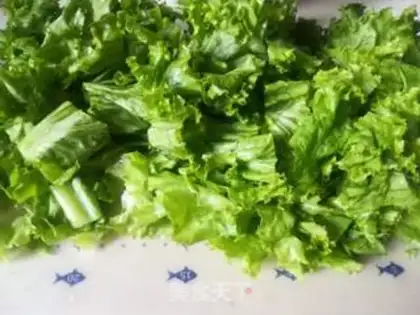
The lettuce is clean, cut. Pre-eat cleaning: raw vegetables can be immersed in fresh water (with a little salt) for 20 to 30 minutes and washed repeatedly with fresh water. Since bioalkaline in rice water is a good dissolved agent for hazardous substances such as pesticides, raw vegetables can be immersed in rice water for 10 minutes before being dumped and washed repeatedly with liquid water。
2
One of the peppers (the complete one of the graphs below), after cleaning up, cut the little bits. I can't eat spicy, so I just cut one. There's two in the picture, to show the good pepper。
3
One red chili, which adds to the taste, mainly with colours to clean up。
4
Put the lettuce in the container and then add two spoons of soy sauce, one spoon of soy sauce and a little salt。
5
Finally, two to three drops of soy oil were added and the fabric was evenly mixed。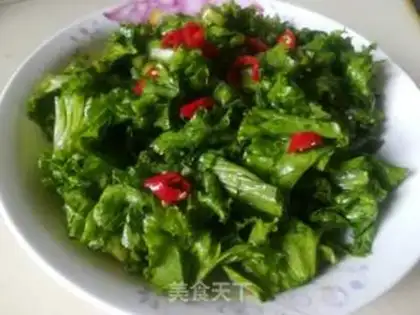
6
Pack up and spread the freshly washed chili clips on the lettuce。Pillage Make Tips
1. deeper-coloured lettries are common, with higher nutritional value for darker vegetables, such as vitamin c in green fresh vegetables, higher levels of carrots and inorganic salt. 2. the extra-frequent and unseasoned vegetables are mainly greenhouse-cultivated, but, while attractive and large, the nutritional value is different from that of fresh vegetables. anti-season vegetables are of higher nutritional value and less taste than fresh vegetables。