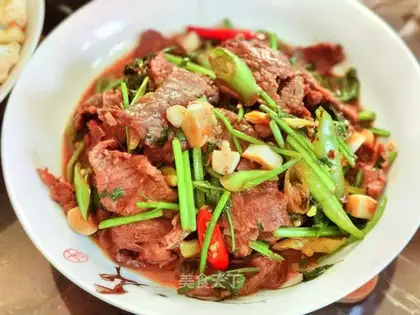
Spices have long been the soul of global cuisines, adding depth, heat, and character to dishes. Among them, the Hangzhou chili (杭椒), a slender, vibrant green pepper native to Hangzhou, China, stands out as both a culinary favorite and a nutritional powerhouse. While often celebrated for its distinctive spicy kick and versatility in cooking, this humble vegetable offers a wealth of health benefits, from boosting metabolism to enhancing heart health. However, like all potent ingredients, it must be consumed mindfully to avoid potential side effects. This article explores the nutritional profile, health benefits, and precautions of Hangzhou chili, providing a comprehensive guide for food enthusiasts and health-conscious individuals alike.
Nutritional Profile of Hangzhou Chili
Hangzhou chili (Capsicum annuum var. Hangzhou) is a low-calorie, nutrient-dense vegetable that belongs to the nightshade family. Its slender, 10-15 cm long pods are typically harvested unripe, giving them a bright green color and a crisp texture. Though small in size, they pack a significant punch in terms of vitamins, minerals, and bioactive compounds.
Key Nutrients per 100g Serving
- Vitamins: Hangzhou chili is an exceptional source of vitamin C, with approximately 150-200 mg per 100g—nearly three times the amount found in oranges. This potent antioxidant plays a crucial role in immune function, skin health, and collagen synthesis. It is also rich in vitamin A (as beta-carotene), essential for vision and cell growth, and vitamin B6, which supports metabolism and brain health.
- Minerals: The pepper provides a notable amount of potassium (about 300 mg per 100g), which regulates blood pressure and fluid balance. It also contains smaller quantities of iron, magnesium, and manganese, minerals vital for energy production, oxygen transport, and bone health.
- Capsaicin: The compound responsible for the chili’s heat, capsaicin, is the star of its health benefits. Measured on the Scoville scale, Hangzhou chili typically ranges from 50,000 to 100,000 Scoville Heat Units (SHU), making it moderately spicy. Capsaicin has been extensively studied for its anti-inflammatory, analgesic, and metabolic-boosting properties.
- Dietary Fiber: With around 2-3g of fiber per 100g, Hangzhou aids digestion and promotes gut health by supporting beneficial gut bacteria.
- Antioxidants: In addition to vitamin C, it contains flavonoids like quercetin and lutein, which combat oxidative stress and reduce inflammation.
Health Benefits of Hangzhou Chili
The unique combination of nutrients and capsaicin in Hangzhou chili contributes to a range of health benefits, making it more than just a flavor enhancer.
1. Boosts Metabolism and Aids Weight Management
Capsaicin is well-known for its thermogenic properties— it temporarily increases body temperature and metabolic rate, leading to higher calorie expenditure. Studies suggest that consuming spicy foods like Hangzhou chili can boost metabolism by 5-10% for up to 30 minutes after ingestion. Additionally, capsaicin may suppress appetite by increasing feelings of fullness, making it a valuable ally in weight management. A 2020 study in Appetite found that participants who consumed capsaicin-rich meals consumed 10-15% fewer calories at subsequent meals.
2. Enhances Cardiovascular Health
The potassium and capsaicin in Hangzhou chili work synergistically to support heart health. Potassium helps counteract the effects of sodium, lowering blood pressure and reducing the risk of hypertension. Capsaicin, on the other hand, improves blood circulation by dilating blood vessels and reducing LDL (“bad”) cholesterol levels. Research published in the American Journal of Clinical Nutrition indicates that regular consumption of chili is associated with a 13% lower risk of stroke and a 10% lower risk of ischemic heart disease.
3. Strengthens Immune Function
Vitamin C is a cornerstone of immune health, and Hangzhou chili is one of the richest natural sources of this vitamin. It stimulates the production and function of white blood cells, which defend the body against infections. A single 100g serving of Hangzhou chili can meet over 200% of the daily recommended intake of vitamin C, making it particularly beneficial during cold and flu season.
4. Relieves Pain and Inflammation
Capsaicin’s analgesic properties have made it a key ingredient in topical pain relievers for conditions like arthritis, neuropathy, and muscle soreness. When consumed, capsaicin binds to TRPV1 receptors (pain receptors) in the body, initially causing a burning sensation but ultimately desensitizing them to reduce pain perception. A 2017 review in Frontiers in Pharmacology confirmed that capsaicin effectively reduces chronic pain by inhibiting inflammatory pathways.
5. Supports Digestive Health
Contrary to the myth that spicy foods irritate the stomach, moderate consumption of Hangzhou chili can promote digestive health. It stimulates the production of digestive enzymes, enhancing nutrient absorption. Additionally, its fiber content regulates bowel movements and prevents constipation. Some studies suggest that capsaicin may even reduce the risk of gastrointestinal disorders like ulcers by eliminating H. pylori bacteria, though more research is needed in this area.
6. Promotes Skin Health
The high vitamin C content in Hangzhou chili is critical for collagen synthesis, a protein that maintains skin elasticity and reduces wrinkles. Antioxidants like quercetin and lutein protect the skin from UV damage and environmental pollutants, while capsaicin’s anti-inflammatory properties may alleviate conditions like acne and psoriasis.
Culinary Uses and Versatility
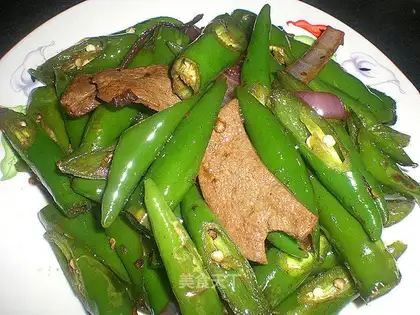
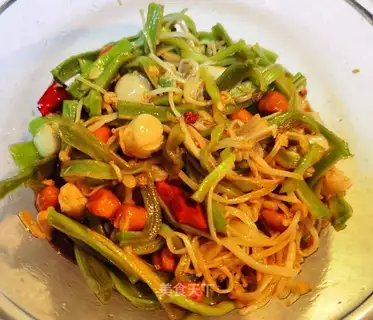
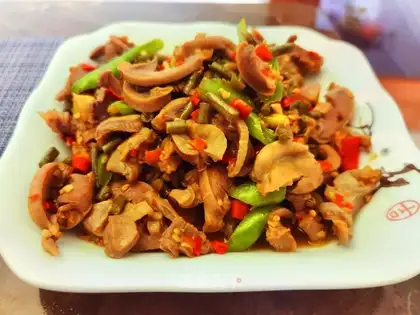
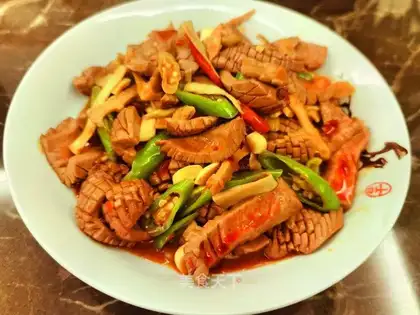
Beyond its health benefits, Hangzhou chili is a staple in Chinese cuisine, particularly in Zhejiang province. Its bright, grassy flavor with a lingering heat makes it ideal for stir-fries, marinades, and pickling. Dishes like Braised Pork Belly with Hangzhou Chili (杭椒红烧肉) and Stir-fried Shrimp with Chili (杭椒炒虾仁) showcase its ability to balance richness and spice. It is also commonly used in chili oils, pastes, and as a garnish for soups and noodles. For those who prefer milder heat, removing the seeds can reduce spiciness while retaining flavor.
Precautions and Potential Side Effects
While Hangzhou chili offers numerous health benefits, excessive consumption can lead to adverse effects, particularly for sensitive individuals.
1. Digestive Discomfort
For people with irritable bowel syndrome (IBS) or a sensitive stomach, capsaicin can trigger symptoms like heartburn, diarrhea, or stomach cramps. It is advisable to start with small quantities and monitor tolerance.
2. Irritation of Mucous Membranes
The spicy compound can irritate the eyes, nose, and throat during preparation. Handling chili with gloves and avoiding touching the face can minimize discomfort.
3. Interaction with Medications
Capsaicin may interact with blood-thinning medications (e.g., warfarin) and antihypertensive drugs due to its blood-thinning and blood pressure-lowering effects. Individuals on such medications should consult a healthcare provider before increasing chili intake.
4. Pregnancy and Breastfeeding
Pregnant women should consume Hangzhou chili in moderation, as excessive spicy foods may cause heartburn or discomfort. There is limited evidence on its effects during breastfeeding, but moderation is key.
5. Allergic Reactions
Though rare, some individuals may be allergic to chili, experiencing symptoms like hives, swelling, or difficulty breathing. Seek medical attention if allergic reactions occur.
Conclusion
Hangzhou chili is a remarkable ingredient that bridges the gap between culinary art and nutritional science. Its rich vitamin C content, metabolism-boosting capsaicin, and heart-healthy minerals make it a valuable addition to a balanced diet. From enhancing immune function to aiding weight management, this versatile pepper offers a host of benefits when consumed in moderation. However, its potent nature demands caution, particularly for those with digestive issues or on certain medications.
Whether stir-fried, pickled, or used as a garnish, Hangzhou chili adds more than just heat to dishes—it brings a burst of flavor and a dose of wellness. By understanding its nutritional profile, health benefits, and precautions, we can harness the power of this humble pepper to elevate both our meals and our health. As the saying goes, “ spice up your life, but do so wisely.”