Chestnut contains 51 - 60% starch, 5.7-10.7% protein, 2-7.4% fat, sugar, starch, crude fiber, carotene, vitamins A, B, B: , C and minerals such as calcium, phosphorus, and potassium. Up to 98% of nutrients can be absorbed and utilized by the human body. Calculated in ten grains, the fat content is less than 1 gram, which is the lowest fat content among shelled fruits.
It is sweet and cold in nature and has the functions of nourishing the stomach and strengthening the spleen, replenishing the kidney and strengthening the muscles. Eating chestnut can nourish qi and blood, nourish the stomach, nourish the kidney, and strengthen the liver and spleen; raw food can also treat soreness in waist and legs, relax the muscles and activate the circulation. Chestnuts are beneficial for assisting in the treatment of kidney deficiency, so they are also called the "fruit of the kidney".
However, chestnuts are difficult to digest raw, and cooked food is easy to stagnate, so it is not advisable to eat more at one time. It is best to snack chestnuts between meals or eat them in meals, rather than eat them in large quantities after meals to avoid consuming too much calories, which is not conducive to maintaining weight. Fresh chestnuts are prone to mold and deteriorate. Eating moldy chestnuts can cause poisoning, so you cannot eat spoiled chestnuts.
Boiling chestnut
By AaliyahWeber
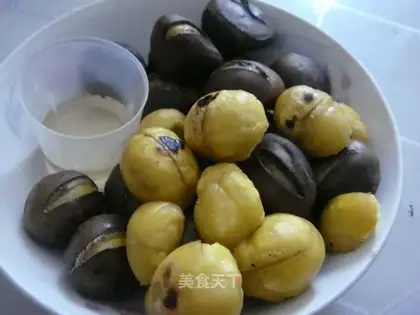
Recipe Recommendations
- chestnut 1500g
- qingshui appropriate amount
Steps for Boiling chestnut
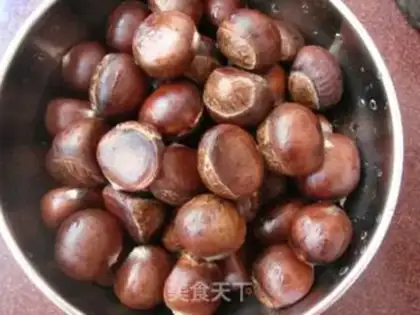
1
Wash chestnuts with clean water.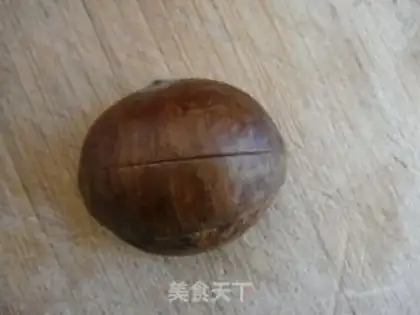
2
Use the knife to draw a knife across your back.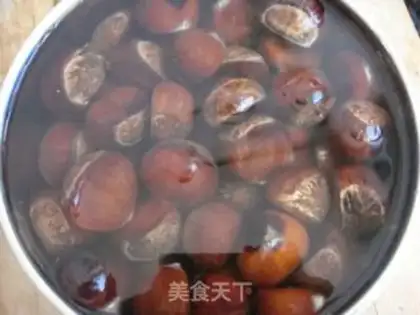
3
Soak the rowed chestnuts in water for half an hour.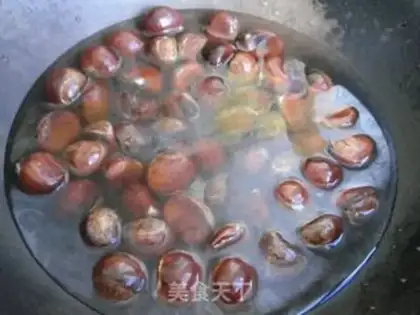
4
Then pour it into the pot and cook it over high heat until it looks slightly cooked.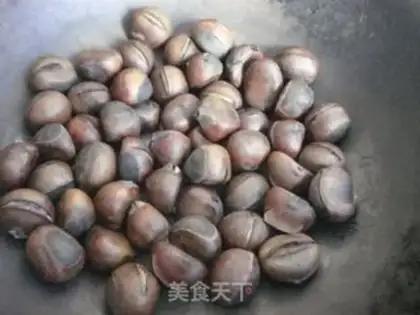
5
Pour out the water in the pan and stir-fry the water dry, paying attention to stir fry every now and then to avoid frying.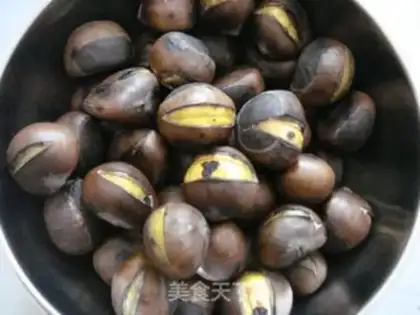
6
Stir fry until most of the chestnuts open open.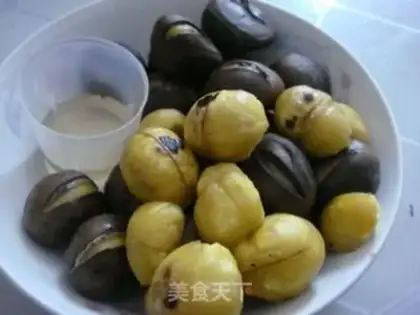
7
Peel off the sticky honey and eat it.