Mung bean and seaweed porridge
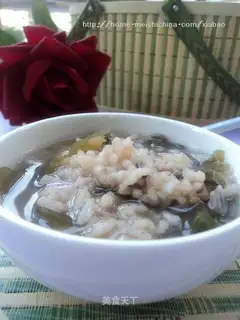
This is the fourth porridge. I was very busy at work a few days ago and I didn't have time to publish it. When I see this porridge, people will definitely ask what it tastes like. In fact, I really can't tell what it tastes like. It should be the strong flavor of seaweed. When I learned this porridge, there was no seasoning. I personally think that if I couldn't eat this taste, I could add salt and cook it until salty. After all, seaweed needs to be salty to taste good. If I want to eat sweet, I don't mind, as long as I like it. I eat the original flavor. Just add some pickles to it.
Recipe Recommendations
Steps for Mung bean and seaweed porridge
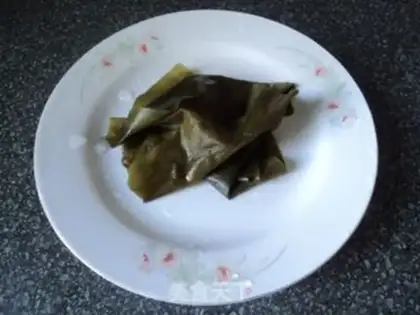
1
Wash the kelp section.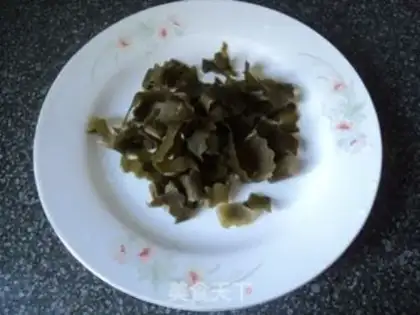
2
Use a wavy cutter to cut into wavy shapes.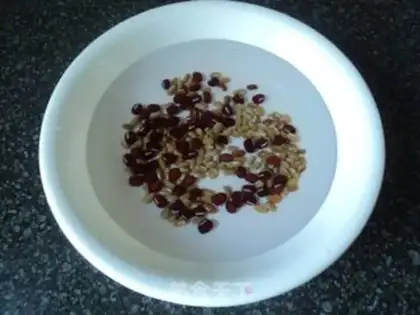
3
Soak red beans and mung beans in clear water for several hours.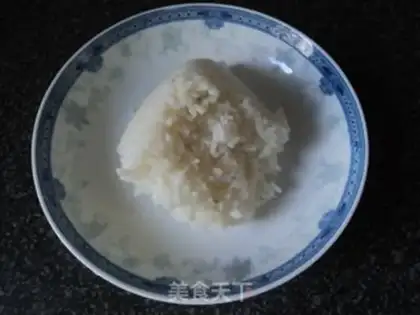
4
A piece of rice.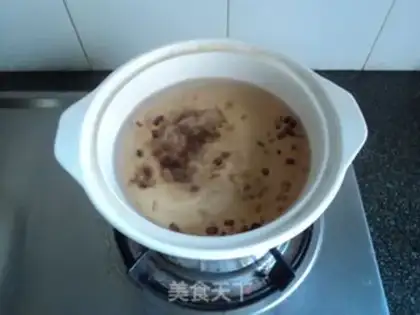
5
Take a casserole, put appropriate amount of water, and put the soaked green beans and red beans in the pot and bring to a boil.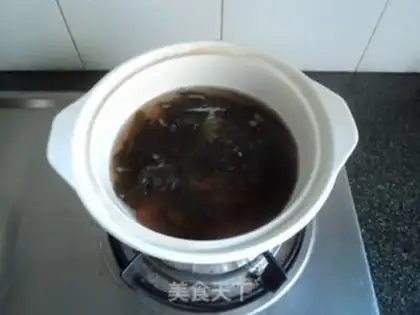
6
After boiling, add seaweed until soft and tender.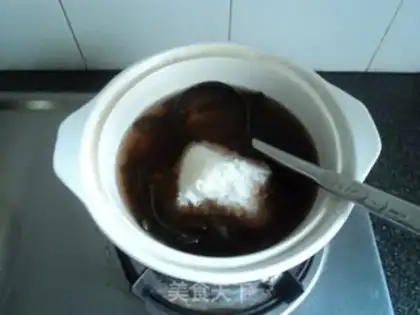
7
After boiling the soup, add rice.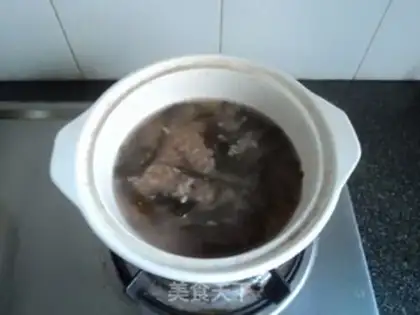
8
Continue to cook for 15 minutes, simmer for another 15 minutes and serve.Mung bean and seaweed porridge Make Tips
Kelp, scientific name Laminaria japonica Aresch. Also known as kelp and river cabbage. A type of brown algae that grows on rocks on the seabed. It is shaped like a belt and contains a large amount of iodine, which can be used to extract iodine, potassium, etc. When traditional Chinese medicine is used as medicine, it is called kelp, which is known as the "crown of alkaline foods". Dietary effect of kelp (fresh): When used as medicine in traditional Chinese medicine, kelp is called "kelp". It tastes salty and cold in nature; it enters the liver, stomach, kidney and lung meridians. It can soften hard muscles and eliminate phlegm, eliminate dampness and relieve itching, and clear heat and promote hydration. Used for goiter, choking diaphragm, hernia, testicular swelling and pain, leucorrhea, edema, beriberi, etc. Applied to cool and relieve summer heat: appropriate amount of seaweed, wax gourd, and mung bean, boiled in soup and served. Mung beans are used in grain, vegetables, green manure and medicine. It is the traditional bean food of our people. The protein content of mung bean is almost three times that of japonica rice, and there are more inorganic salts such as multiple vitamins, calcium, phosphorus, and iron than that of japonica rice. Therefore, it not only has good edible value, but also has very good medicinal value, and has the saying of "food for the world". In the scorching summer, mung bean soup is the most popular drink for people to cool off the heat. Efficacy: Mung beans are sweet and cool in nature and have the effect of clearing heat and detoxifying. In summer, people who work in high temperatures sweat a lot, lose a lot of water and fluid, and the electrolyte balance in the body is destroyed. Using mung bean soup to replenish is the most ideal method. It can clear summer heat, replenish qi, quench thirst and diuretic. It can not only replenish water, but also replenish inorganic salts in a timely manner, which is of great significance for maintaining the balance of water-liquid electrolytes. Mung bean porridge has similar effects. Green beans also have detoxification effects.