Pork tripe contains protein, fat, carbohydrates, vitamins, calcium, phosphorus, iron, etc. It has the effect of replenishing deficiency and strengthening the spleen and stomach. It is suitable for people with deficiency of qi and blood and thin bodies.
Yuba is rich in protein and has high nutritional value; the lecithin it contains can remove cholesterol attached to the blood vessel walls, prevent blood vessel hardening, prevent cardiovascular diseases, and protect the heart; it contains a variety of minerals to supplement calcium, prevent osteoporosis caused by calcium deficiency, promote bone development, and is extremely beneficial to the bone growth of children and the elderly; it also contains rich iron and is easily absorbed by the human body, which has a certain curative effect on iron deficiency anemia.
Ginkgo biloba is commonly known as ginkgo. The brassoside and bitrolactone in ginkgo have special preventive and therapeutic effects on cerebral thrombosis, Alzheimer's disease, hypertension, coronary heart disease, arteriosclerosis, cerebral dysfunction and other diseases. Regular consumption can expand capillaries, promote blood circulation, make people's skin rosy and rejuvenate; Ginkgo also has the effects of astringing the lungs to calm asthma, eliminating dampness and stopping belt, nourishing the kidney and consolidating essence, relieving cough and detoxification; Clinical experience in recent years has proved that ginkgo can also treat diseases such as pulmonary tuberculosis, epilepsy, neuropathic headaches, and Meniere's syndrome.
Ordinary materials make extraordinary taste! Soup water has the effects of strengthening the spleen and stimulating appetite, nourishing yin and kidney, removing dampness and swelling. And nourish without dryness.
Ginkgo biloba and tofu bamboo pork tripe soup

Recipe Recommendations
- baiguo appropriate amount
- Yuba appropriate amount
- pork tripe appropriate amount
- Jiang appropriate amount
Steps for Ginkgo biloba and tofu bamboo pork tripe soup
1
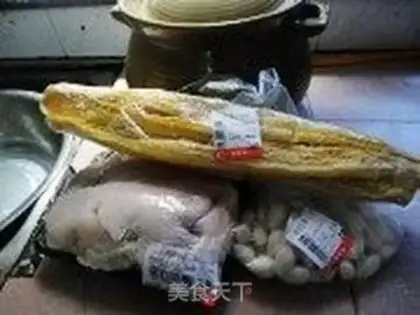
Ginkgo, tofu, pork belly, ginger.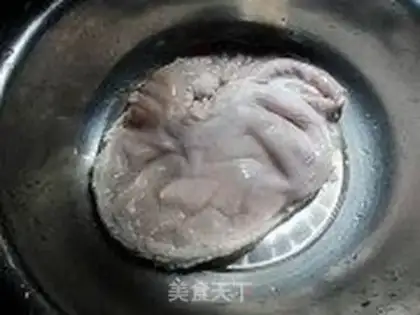
2
Wash the pork belly with clean water first, and cut off the excess fat on the outside.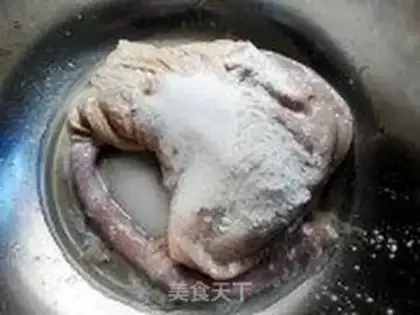
3
Turn the whole pork belly upside down and enlarge the basin. Sprinkle salt and knead the starch constantly.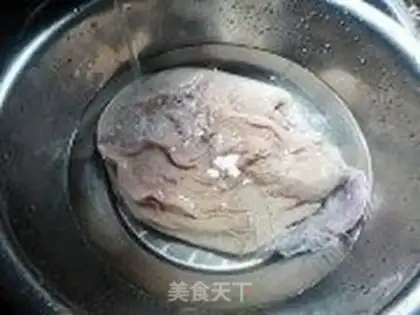
4
Then rinse it with clean water and turn the pork belly upside down again.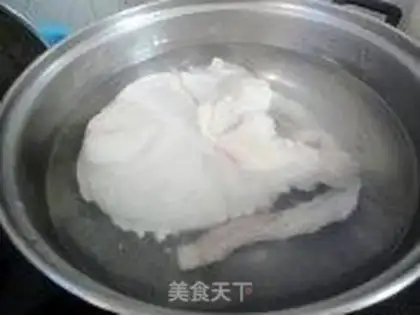
5
Put clear water in the pot, add ginger slices, after the water is boiled, put the pork belly in, pour some cooking wine, scalm the pork belly until it changes color, and then pick up.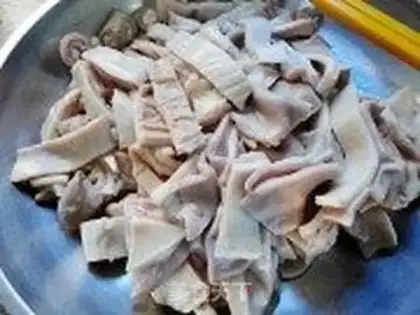
6
Wash pork belly in clean water and remove excess fat. Cut into slices.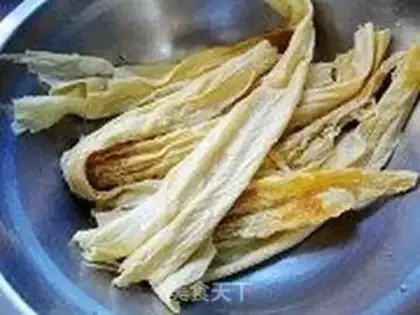
7
Remove the shells and wash the ginkgo seeds. The tofu bamboo soaks and softens.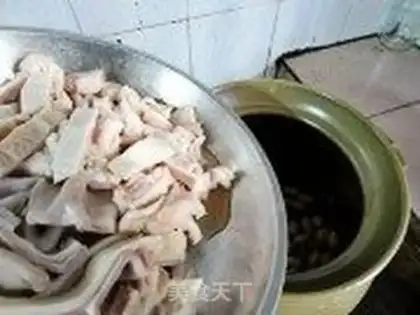
8
Put the ginkgo fruit and pork belly into the earthen bag, add appropriate amount of water, and add ginger slices.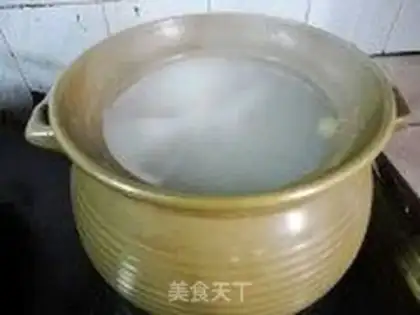
9
Bring to a boil over high heat and simmer over low heat for an hour.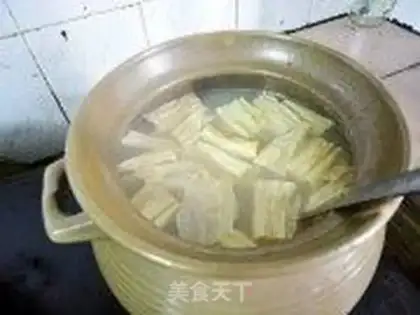
10
Add the yuba piglet and simmer for 10 minutes. (The tofu bamboo should not be boiled for too long or too high heat, it will melt.)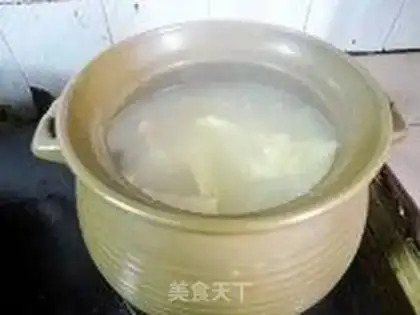
11
Turn off the heat and add appropriate amount of salt.