For centuries, ginkgo biloba—often referred to simply as "ginkgo" or "white nut" (白果) in Chinese culture—has been revered not only as a living fossil, with origins tracing back over 270 million years, but also as a medicinal and culinary treasure. The seed of the ginkgo tree, scientifically known as Ginkgo biloba, is a staple in traditional Asian medicine and cuisine, valued for its unique flavor profile and potent health properties. Today, as global interest in functional foods grows, ginkgo seeds are gaining attention for their nutritional benefits, from cognitive support to antioxidant protection. However, their use is not without risks, as improper consumption can lead to adverse effects. This article explores the nutritional composition, health benefits, and critical precautions associated with ginkgo biloba seeds, offering a comprehensive guide to incorporating this ancient ingredient safely and effectively.
Nutritional Composition of Ginkgo Biloba Seeds
Ginkgo seeds are a nutrient-dense food, rich in macronutrients, vitamins, minerals, and bioactive compounds that contribute to their health-promoting properties. A 100-gram serving of raw ginkgo seeds contains approximately:
- Macronutrients: 310–320 calories, 13–15 grams of protein, 1–2 grams of fat, and 50–55 grams of carbohydrates, with 4–5 grams of fiber. The protein content is notable for its amino acid profile, including essential amino acids like lysine and methionine, making it a valuable plant-based protein source.
- Micronutrients: Ginkgo seeds are rich in micronutrients such as potassium (600–700 mg), magnesium (200–250 mg), phosphorus (200–220 mg), and manganese (1–2 mg). They also provide smaller amounts of calcium, iron, zinc, and copper. Additionally, they contain B vitamins like thiamine (B1), riboflavin (B2), and folate (B9), which play key roles in energy metabolism and neurological function.
- Bioactive Compounds: The most potent components of ginkgo seeds are ginkgolides and bilobalide—terpenoids unique to the ginkgo plant—as well as flavonoids (such as quercetin and kaempferol) and polyphenols. These compounds are responsible for many of ginkgo’s therapeutic effects, including anti-inflammatory, antioxidant, and neuroprotective actions.
It is important to note that raw ginkgo seeds contain ginkgotoxin (4′-O-methylpyridoxine), a natural toxin that can cause adverse effects if consumed in large quantities. Proper processing (e.g., cooking or roasting) significantly reduces this toxin, making the seeds safe for consumption.
Health Benefits of Ginkgo Biloba Seeds
The nutritional and bioactive profile of ginkgo seeds underpins a wide range of health benefits, supported by both traditional use and modern scientific research.
1. Cognitive Function and Neuroprotection
Perhaps the most well-documented benefit of ginkgo is its positive impact on brain health. Ginkgolides and bilobalide enhance cerebral blood flow by dilating blood vessels and reducing platelet aggregation, ensuring optimal oxygen and nutrient delivery to brain cells. This effect is particularly valuable for:
- Memory and Concentration: Studies suggest that ginkgo extract may improve memory, attention, and executive function in both healthy individuals and those with mild cognitive impairment. For example, a 2021 meta-analysis in Phytotherapy Research found that ginkgo supplementation significantly enhanced cognitive performance in older adults.
- Neurodegenerative Diseases: Ginkgo’s antioxidant properties neutralize free radicals, which contribute to neuronal damage in conditions like Alzheimer’s and Parkinson’s disease. Research indicates that ginkgo may reduce amyloid-beta plaque buildup (a hallmark of Alzheimer’s) and protect dopamine-producing neurons in Parkinson’s.
2. Cardiovascular Health
Ginkgo seeds support heart health through multiple mechanisms:
- Blood Pressure Regulation: By improving endothelial function (the health of blood vessel linings), ginkgo helps maintain normal blood pressure. Flavonoids in ginkgo enhance nitric oxide production, a compound that relaxes blood vessels and reduces resistance.
- Cholesterol Management: Ginkgo may lower LDL ("bad") cholesterol and triglyceride levels while increasing HDL ("good") cholesterol, reducing the risk of atherosclerosis. A 2019 study in the Journal of Ethnopharmacology found that ginkgo extract improved lipid profiles in patients with metabolic syndrome.
- Antiplatelet Effects: Ginkgolides inhibit platelet-activating factor (PAF), a substance that promotes blood clotting. This action reduces the risk of thrombosis (blood clots) while avoiding the excessive bleeding associated with some pharmaceutical anticoagulants.
3. Anti-Inflammatory and Antioxidant Effects
Chronic inflammation and oxidative stress are underlying factors in many chronic diseases, including diabetes, arthritis, and cancer. Ginkgo seeds are rich in flavonoids and polyphenols, which:
- Scavenge Free Radicals: These compounds neutralize reactive oxygen species (ROS), preventing cellular damage and DNA mutations.
- Inhibit Pro-Inflammatory Pathways: Ginkgolides suppress the production of inflammatory cytokines (e.g., TNF-α, IL-6), reducing inflammation in conditions like asthma, inflammatory bowel disease, and rheumatoid arthritis.
4. Respiratory Health
In traditional Chinese medicine, ginkgo seeds are used to treat respiratory ailments such as asthma, bronchitis, and coughs. Modern research supports this use: ginkgolides inhibit PAF, which plays a key role in allergic asthma by triggering bronchoconstriction (airway narrowing). A 2020 study in Phytomedicine found that ginkgo extract reduced airway inflammation and hyperresponsiveness in asthmatic mice.
5. Eye Health
Ginkgo’s ability to improve blood flow and reduce oxidative stress benefits eye health, particularly in conditions like glaucoma and age-related macular degeneration (AMD). By enhancing blood flow to the retina and protecting retinal cells from light-induced damage, ginkgo may slow the progression of these vision-threatening diseases.
6. Skin Health and Anti-Aging
The antioxidant and anti-inflammatory properties of ginkgo seeds also benefit skin health. Topical ginkgo extract or consumption of ginkgo seeds may:
- Reduce UV-induced skin damage (e.g., wrinkles, hyperpigmentation) by scavenging free radicals.
- Improve skin hydration and elasticity by promoting collagen synthesis and reducing inflammation.
Culinary Uses and Preparation
Ginkgo seeds are a versatile ingredient in Asian cuisine, prized for their mild, nutty flavor and creamy texture. However, proper preparation is essential to neutralize toxins and enhance digestibility.
Traditional Preparation Methods
- Roasting: Roasting ginkgo seeds at 150–180°C for 15–20 minutes removes the toxic ginkgotoxin and brings out a rich, nutty flavor. Roasted seeds are often eaten as a snack or added to dishes like stir-fries and soups.
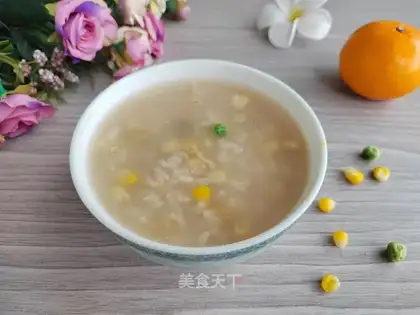
- Boiling: Boiling seeds for 10–15 minutes reduces toxin levels and softens the outer shell, making them easier to peel. Boiled ginkgo is commonly used in congee (rice porridge), desserts, and savory dishes.
- Fermentation: In some regions, ginkgo seeds are fermented to create products like "sulfur ginkgo" (硫磺白果), a preserved snack with a unique umami flavor.
Culinary Applications
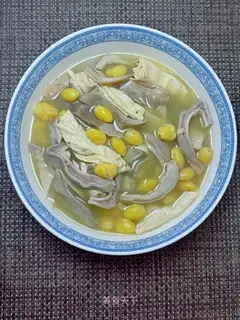
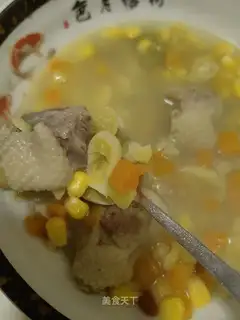
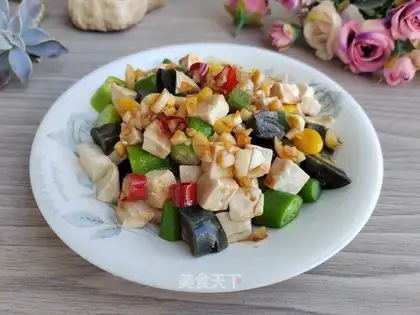
- Savory Dishes: Ginkgo nuts are stir-fried with vegetables (e.g., bok choy, mushrooms) or added to meat dishes like chicken or duck for a crunchy texture.
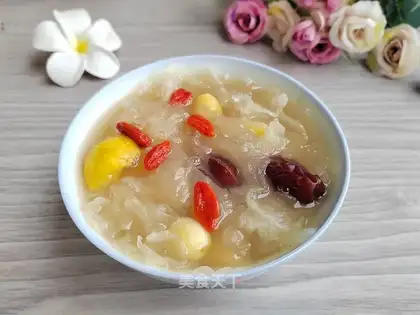
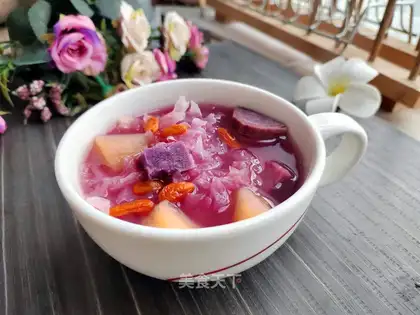
- Desserts: In China and Japan, ginkgo is a key ingredient in sweet soups (e.g., red bean soup with ginkgo), puddings, and pastries. Its mild sweetness complements ingredients like osmanthus, lotus seeds, and rock sugar.
- Beverages: Ginkgo tea, made by steeping roasted seeds in hot water, is consumed for its calming and cognitive-enhancing effects.
Critical Precautions and Side Effects
While ginkgo seeds offer numerous health benefits, their consumption must be approached with caution due to potential risks.
1. Toxicity: Ginkgotoxin (4′-O-Methylpyridoxine)
Raw or improperly processed ginkgo seeds contain ginkgotoxin, which can cause ginkgo poisoning, characterized by:
- Nausea, vomiting, diarrhea, and abdominal pain.
- Seizures, dizziness, and headaches (due to interference with vitamin B6 metabolism, which is essential for neurological function).
- In extreme cases, respiratory failure or death.
Safe Consumption Guidelines:
- Limit intake to 10–15 roasted seeds per day for adults (no more than 2–3 raw seeds).
- Avoid giving ginkgo to young children, as they are more susceptible to ginkgotoxin toxicity.
- Always cook or roast seeds before eating; never consume them raw.
2. Drug Interactions
Ginkgo can interact with several medications, including:
- Anticoagulants and Antiplatelet Drugs (e.g., warfarin, aspirin, clopidogrel): Ginkgo’s antiplatelet effects may increase the risk of bleeding, especially when combined with these drugs.
- Antidepressants (e.g., SSRIs): Ginkgo may enhance the effects of antidepressants, raising the risk of serotonin syndrome (a potentially life-threatening condition characterized by agitation, confusion, and high body temperature).
- Antidiabetic Drugs: Ginkgo may lower blood sugar levels, increasing the risk of hypoglycemia when taken with medications like metformin or insulin.
- Anticonvulsants: Ginkgotoxin may reduce the effectiveness of epilepsy medications.
Recommendation: Consult a healthcare provider before consuming ginkgo if you take any prescription medications, especially blood thinners or antidepressants.
3. Contraindications
Ginkgo should be avoided by:
- Pregnant and Breastfeeding Women: Limited research exists on ginkgo’s safety during pregnancy, and ginkgotoxin may pose risks to fetal development.
- Individuals with Bleeding Disorders: Ginkgo’s antiplatelet effects can exacerbate bleeding conditions (e.g., hemophilia).
- Those Undergoing Surgery: Stop taking ginkgo at least 2–3 weeks before surgery to reduce the risk of excessive bleeding.
4. Allergic Reactions
Though rare, some individuals may experience allergic reactions to ginkgo, including skin rashes, itching, or difficulty breathing. Discontinue use if these symptoms occur.
Conclusion
Ginkgo biloba seeds are a nutritional and medicinal marvel, offering a unique blend of macronutrients, micronutrients, and bioactive compounds that support cognitive health, cardiovascular function, and overall well-being. From enhancing memory and reducing inflammation to protecting against chronic diseases, ginkgo’s benefits are backed by both traditional wisdom and modern science. However, its potential toxicity and drug interactions underscore the importance of moderation and proper preparation.
When consumed responsibly—cooked or roasted, in limited quantities, and with awareness of individual health conditions—ginkgo seeds can be a valuable addition to a balanced diet. As research continues to uncover new therapeutic applications, this ancient ingredient will likely remain a cornerstone of functional foods, bridging the gap between culinary tradition and modern wellness. Whether enjoyed as a roasted snack, a savory dish, or a soothing tea, ginkgo biloba exemplifies the power of nature to nourish and heal—one seed at a time.