♪ The bean bun ♪
By VicentaLakin
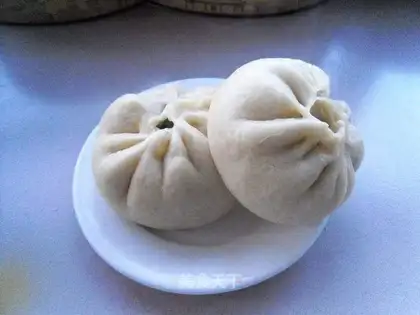
The soybeans - or soybean horns - are most frequently cooked, mixed and burned. This "bean bun" has chosen to be made with pork, but it's a good taste, though for the first time. It tastes good, too。
Recipe Recommendations
- salty and fresh
- steamed
- several hours
- ordinary
Steps for ♪ The bean bun ♪
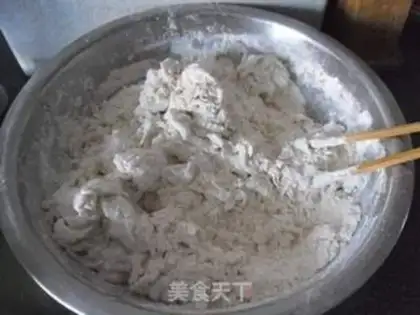
1
Flour mixed with yeast and warm water mixed into a ear。
2
And become smooth noodles。
3
It fermented more than twice as big。
4
Pork platinum, pepper powder, onions, peanut oil mix。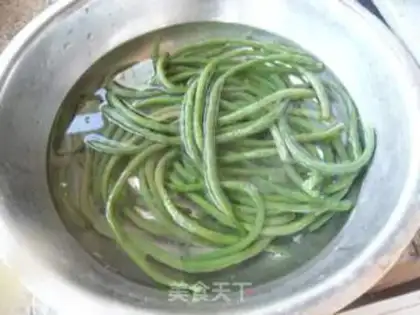
5
Get the beans cooked and cold water。
6
Then cut it apart。
7
Scratch the sliced beans and the pork with salt。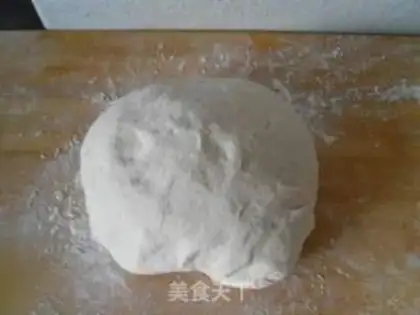
8
The fermented pasta is flattened。
9
A flat down。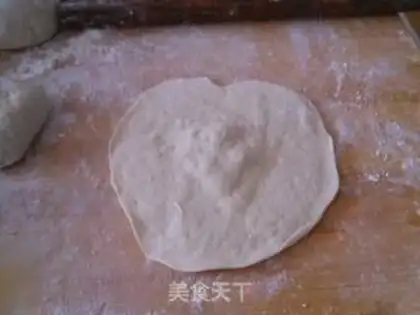
10
Take a noodle, tweak it in the middle thick, spin it around the thin skin。
11
Put in a proper amount of material。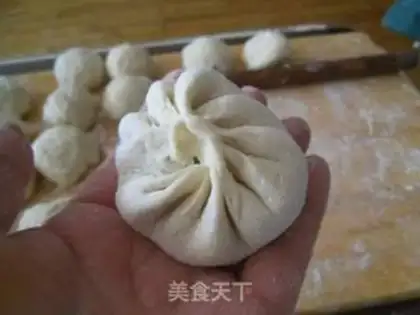
12
Pack it tight and then eject it for about 20 minutes。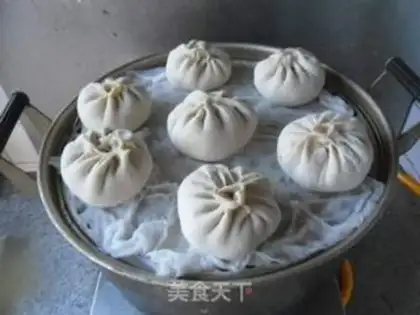
13
I'm going to put the bun in the pot。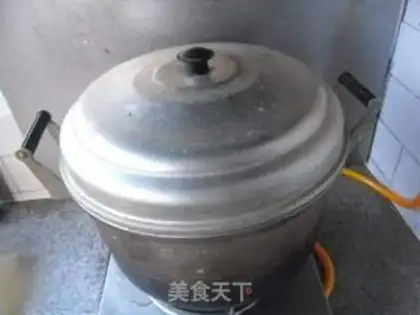
14
The fire is evaporated for 12 minutes。
15
After the fire has been shut down, three to five minutes will be released. Out of the pan, you can eat at the table。♪ The bean bun ♪ Make Tips
The usage of fermentation powder is flexible according to room temperature, with a typical 25-degree room temperature, a 500-gram flour using 2 grams of yeast and 35-40 degrees of warm water and surface, which takes about four hours to ferment to double the level. The reduction of yeast powder increases the fermentation time; an appropriate increase in yeast powder can accelerate the rate of fermentation。