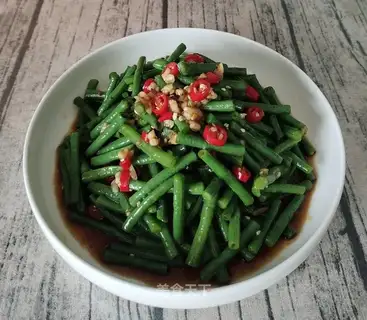
Cowpeas, scientifically known as Vigna unguiculata, are a versatile and nutrient-dense legume that has been a dietary staple in cultures worldwide for centuries. Also known as black-eyed peas, southern peas, or yardlong beans (depending on the variety), this hardy crop thrives in warm climates and is celebrated for its affordability, adaptability, and impressive health profile. Often referred to as "poor man’s meat" due to its high protein content, cowpeas play a pivotal role in vegetarian, vegan, and traditional diets. This article explores the nutritional composition of cowpeas, their diverse health benefits, and important precautions to consider when incorporating them into your meals.
I. Nutritional Value of Cowpeas
Cowpeas are a nutritional powerhouse, offering a balanced blend of macronutrients, fiber, vitamins, and minerals that support overall health. A 100-gram serving of cooked cowpeas (without salt) provides approximately:
1. Macronutrients
- Protein: Cowpeas are an excellent source of plant-based protein, containing around 8.5 grams per 100 grams. This makes them a vital food for muscle repair, immune function, and growth, particularly for vegetarians and vegans. Unlike animal proteins, cowpeas are free of cholesterol and low in saturated fat.
- Carbohydrates: They provide about 20 grams of complex carbohydrates, which are digested slowly, providing sustained energy and stabilizing blood sugar levels. The low glycemic index (GI) of cowpeas (around 38) makes them a suitable choice for individuals with diabetes.
- Dietary Fiber: With 5.2 grams of fiber per 100 grams, cowpeas promote digestive health. Fiber adds bulk to stool, prevents constipation, and feeds beneficial gut bacteria, supporting a healthy microbiome.
2. Vitamins
- Folate (Vitamin B9): Cowpeas are one of the best plant-based sources of folate, with 104 micrograms per 100 grams—about 26% of the daily recommended intake. Folate is crucial for DNA synthesis, cell division, and fetal development, making it essential during pregnancy.
- Vitamin A: As a precursor to beta-carotene, cowpeas (especially the green pods and black-eyed variety) provide vitamin A, which supports vision, immune function, and skin health.
- Vitamin C: A 100-gram serving offers about 4 milligrams of vitamin C, an antioxidant that boosts immunity, aids collagen production, and enhances iron absorption.
- Vitamin K: Important for blood clotting and bone health, cowpeas contain small but significant amounts of vitamin K.
3. Minerals
- Iron: Cowpeas are rich in non-heme iron (2.5 mg per 100 grams), which is vital for oxygen transport in the blood and preventing anemia. Pairing cowpeas with vitamin C-rich foods (like bell peppers or tomatoes) enhances iron absorption.
- Potassium: With 358 milligrams per 100 grams, cowpeas help regulate blood pressure by balancing sodium levels and supporting cardiovascular health.
- Magnesium: This mineral (48 mg per 100 grams) is involved in over 300 biochemical reactions, including muscle function, nerve signaling, and blood sugar control.
- Zinc: Cowpeas provide about 0.9 mg of zinc per 100 grams, which supports immune function, wound healing, and DNA synthesis.
4. Bioactive Compounds
Cowpeas are loaded with antioxidants, including polyphenols, flavonoids, and tannins, which combat oxidative stress and reduce inflammation. Anthocyanins, responsible for the dark color of black-eyed peas, have been linked to improved brain health and reduced risk of chronic diseases.
II. Health Benefits of Cowpeas
The unique nutritional profile of cowpeas translates to a wide range of health benefits, from heart health to blood sugar regulation.
1. Supports Heart Health
Cowpeas are a heart-healthy food due to their high fiber, potassium, and low-fat content. Fiber helps lower LDL ("bad") cholesterol by binding to it in the digestive system and promoting its excretion. Potassium, on the other hand, counteracts the effects of sodium, relaxing blood vessels and reducing blood pressure. Additionally, the folate in cowpeas lowers homocysteine levels—an amino acid linked to an increased risk of heart disease when elevated.
2. Regulates Blood Sugar Levels
The complex carbohydrates and fiber in cowpeas slow down the absorption of sugar into the bloodstream, preventing spikes in blood glucose. This makes cowpeas an ideal food for people with diabetes or those at risk of developing the condition. Studies have shown that regular consumption of legumes like cowpeas can improve insulin sensitivity and reduce HbA1c levels (a marker of long-term blood sugar control).
3. Promotes Digestive Health
The fiber in cowpeas acts as a prebiotic, feeding beneficial gut bacteria like Bifidobacterium and Lactobacillus. A healthy gut microbiome is associated with improved digestion, reduced inflammation, and a lower risk of gastrointestinal disorders such as irritable bowel syndrome (IBS) and colon cancer. Moreover, fiber adds bulk to stool, preventing constipation and promoting regular bowel movements.
4. Aids Weight Management
Cowpeas are a low-calorie, high-nutrient food that can help with weight loss and maintenance. The fiber and protein increase satiety, reducing overall calorie intake by curbing hunger pangs. A study published in the Journal of the American College of Nutrition found that participants who consumed legumes (including cowpeas) felt fuller and ate less at subsequent meals compared to those who ate a high-carbohydrate, low-fiber meal.
5. Enhances Immune Function
Cowpeas are rich in zinc, vitamin C, and vitamin A, all of which are critical for a healthy immune system. Zinc supports the development and function of immune cells, while vitamin C and vitamin A act as antioxidants, protecting cells from damage by pathogens. Regular consumption of cowpeas may reduce the severity and duration of common illnesses like colds and flu.
6. Supports Pregnancy and Fetal Development
The high folate content in cowpeas makes them particularly beneficial during pregnancy. Folate is essential for preventing neural tube defects (e.g., spina bifida) in developing fetuses and supports the growth of the placenta. Iron is also crucial during pregnancy to support the increased blood volume and prevent maternal anemia.
7. May Reduce the Risk of Chronic Diseases
The antioxidants in cowpeas, such as polyphenols and anthocyanins, neutralize free radicals—unstable molecules that can damage cells and contribute to chronic diseases like cancer, diabetes, and neurodegenerative disorders. Research suggests that regular legume consumption is associated with a lower risk of colorectal cancer, heart disease, and age-related cognitive decline.
III. Precautions and Potential Side Effects
While cowpeas are highly nutritious, there are a few precautions to keep in mind to maximize their benefits and minimize adverse effects.
1. Anti-Nutrients
Cowpeas contain anti-nutrients such as phytic acid, tannins, and protease inhibitors, which can interfere with the absorption of minerals like iron, zinc, and calcium. Phytic acid, in particular, binds to these minerals, reducing their bioavailability. However, these anti-nutrients can be minimized through proper preparation:
- Soaking: Soaking cowpeas in water for 8–12 hours (or overnight) reduces phytic acid and tannin content by up to 50%. Discarding the soaking water further enhances mineral absorption.
- Cooking: Boiling or pressure-cooking cowpeas breaks down anti-nutrients and makes nutrients more bioavailable.
- Fermentation: Fermenting cowpeas (e.g., in tempeh or fermented bean pastes) significantly reduces anti-nutrients and enhances their nutritional value.
2. Digestive Discomfort
Cowpeas are high in fiber and certain complex carbohydrates (e.g., raffinose) that can cause bloating, gas, and abdominal discomfort, especially for individuals not accustomed to high-fiber diets. To ease digestion:
- Start with small portions and gradually increase intake.
- Chew thoroughly and drink plenty of water.
- Combine cowpeas with easily digestible foods like rice or vegetables.
3. Purine Content
Cowpeas contain moderate levels of purines, natural compounds that break down into uric acid. For individuals with gout or kidney problems, high purine intake can trigger gout attacks or worsen kidney function. Such individuals should consume cowpeas in moderation and consult a healthcare provider or dietitian.
4. Allergies
Although rare, some people may be allergic to cowpeas, experiencing symptoms like hives, itching, or digestive upset. Those with known legume allergies (e.g., to peanuts or soy) should exercise caution and consider allergy testing.
5. Interaction with Medications
Cowpeas are high in vitamin K, which plays a role in blood clotting. Individuals taking blood-thinning medications (e.g., warfarin) should maintain consistent vitamin K intake to avoid interactions. It is advisable to consult a healthcare provider before making significant dietary changes.
IV. Conclusion
Cowpeas are a nutritional powerhouse that offers a wealth of health benefits, from supporting heart health and regulating blood sugar to enhancing immunity and aiding digestion. Their affordability, versatility, and sustainability make them an excellent addition to any diet, whether vegetarian, vegan, or omnivore. By preparing them properly—soaking, cooking, or fermenting—you can minimize anti-nutrients and maximize their nutritional value. While precautions such as moderating intake for those with gout or kidney issues are important, cowpeas remain a humble yet mighty superfood that can contribute to long-term health and well-being. As the saying goes, "Good things come in small packages," and cowpeas are a testament to that truth—proving that one of the oldest foods in the world is still one of the most beneficial.