Red dates are sweet and warm in nature, strengthen the spleen and stomach, nourish the blood, and soothe the nerves.
Red dates are a sacred product for replenishing qi and nourishing blood. At the same time, they are inexpensive and inexpensive. Make good use of red dates can achieve health care effects.
The nutrients contained in red dates can enhance the body's immune function and have certain effects on preventing cancer and maintaining the functions of human organs.
Peanuts nourish and nourish life, and can prolong life. They are also called "longevity fruits" in folk, and like soybeans, they are known as "vegetable meat" and "meat among vegetables." Peanut has a higher nutritional value than grains and is comparable to some animal foods such as eggs, milk, and meat. It contains a large amount of protein and fat, especially a high content of unsaturated fatty acids, and is suitable for making various nutritious foods.
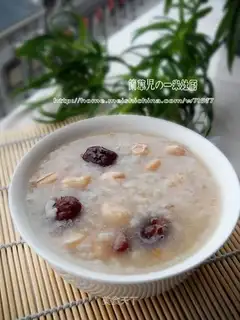
Red date and peanut porridge can strengthen the stomach, nourish the blood, and soothe the nerves. Regular consumption can enhance the body's immunity and ensure good health and longevity.
Red dates and peanut porridge
By NeldaMurray
- sweetening
- cook
- three-quarters of an hour
- ordinary
Steps for Red dates and peanut porridge
1
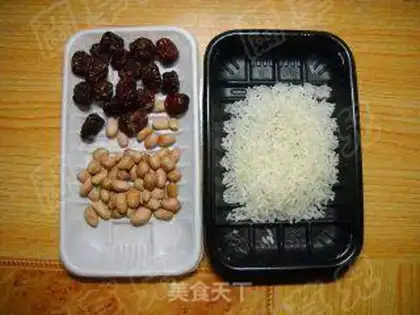
Prepare rice, peanuts, and red dates.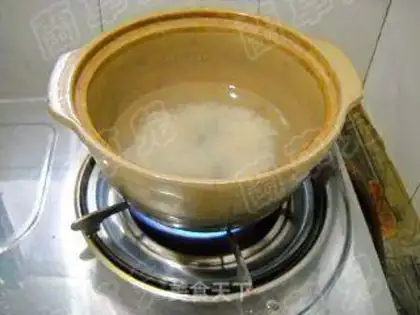
2
Wash the rice, pour it into a sand pot, add appropriate amount of cold water; bring to a boil over high heat.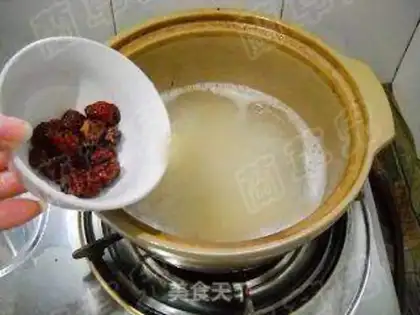
3
Pour in red dates and cook for 10 minutes.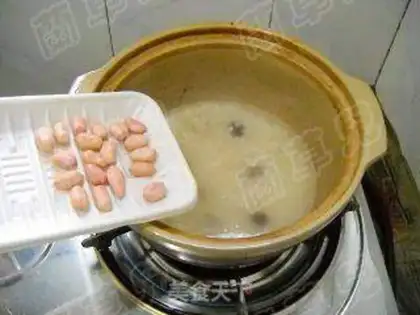
4
Add peanuts, bring to a boil over high heat, and simmer over low heat for 20 minutes.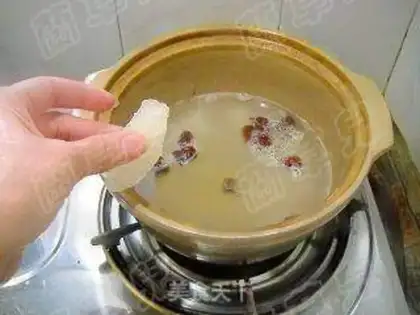
5
Add rock sugar until saccharified.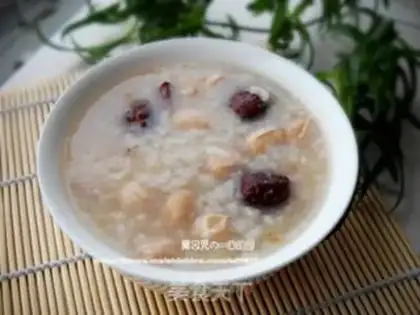
6
Place in a bowl and serve warm.Red dates and peanut porridge Make Tips
1. Patients with parasitic diseases should not eat red dates for those with full abdomen and thick tongue coating. 2. Never eat red dates with onions or fish. 3. Peanuts should not be eaten with cantaloupes, which is life-threatening. 4. People with gallbladder diseases and hyperlipidemia should not eat peanuts.