I like to make soup most, especially in autumn. When lotus roots come down, drinking soup and eating lotus roots is not only nutritious, but also regulates the body, satisfies the taste, and is simple to make. It's a good soup for soup lovers!
Effects of lotus root:
Lotus root is an ideal food for vegetarians. It contains a large amount of starch, protein, vitamin B, vitamin C, fat, carbohydrates and various minerals such as calcium, phosphorus, and iron. The meat is plump and tender, white and round, and has a sweet and crisp taste. It is comparable to pears when eaten raw. Traditional Chinese medicine believes that eating lotus root raw can cool blood and dissipate blood stasis, and cooked food can nourish the heart and kidneys. It has the effect of nourishing yin and nourishing blood. It can replenish the deficiency of the five internal organs, strengthen the bones and muscles, and enrich blood and nourish blood. Lotus root can be called a health food for men, women and old in summer and autumn.
1. Clearing heat and cooling blood: Lotus root is cold in nature and has the effect of clearing heat and cooling blood, and can be used to treat heat diseases; lotus root is sweet and liquid, and is especially beneficial to people with fever, thirst, epistaxis, hemoptysis, and bleeding.
2. Relieving diarrhea, strengthening spleen and appetizing: Lotus root contains mucus protein and dietary fiber, which can combine with cholates in the human body, cholesterol and triglycerides in food, causing them to be excreted from feces, thereby reducing lipid absorption. Lotus root exudes a unique fragrance and also contains tannin, which has a certain effect of strengthening the spleen and diarrhea. It can enhance appetite, promote digestion, appetizing and healthy middle, and is beneficial to people with poor appetite and loss of appetite to restore health.
3. Benefiting blood and promoting muscles: Lotus root has a high nutritional value. It is rich in trace elements such as iron and calcium. It is also rich in plant protein, vitamins and starch. It has obvious effects in replenishing qi and blood and enhancing human immunity. Therefore, traditional Chinese medicine calls it: "The main thing is to nourish the middle and nourish the body and increase the strength."
4. Stop bleeding and dissipate blood stasis: Lotus root contains a large amount of tannic acid, which has the effect of contracting blood vessels and can be used to stop bleeding. Lotus root can also cool blood and disperse blood. Traditional Chinese medicine believes that it stops bleeding without leaving blood stasis and is a good food therapy for febrile diseases.
Lotus root crescent bone soup
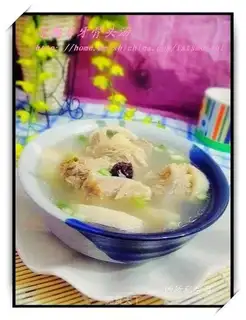
Recipe Recommendations
- crescent bone 350 grams
- lotus root 300 grams
- onion appropriate amount
- jujube 8
- Jiang Big three slices and small six slices
- chives a little
- pepper a little
- salt appropriate amount
Steps for Lotus root crescent bone soup
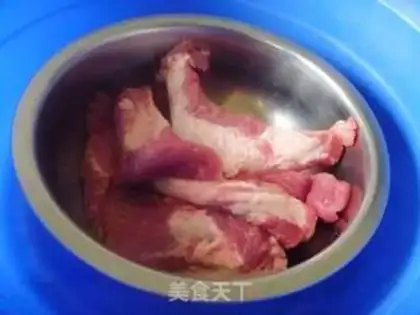
1
Lotus root crescent bone soup ingredient-crescent bone.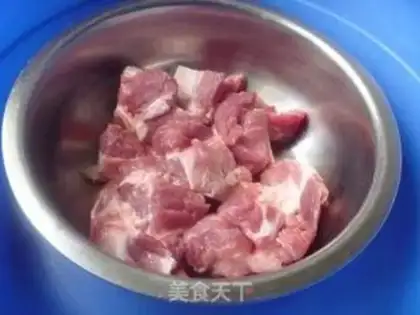
2
Chop the crescent bones into 4 pieces and clean them.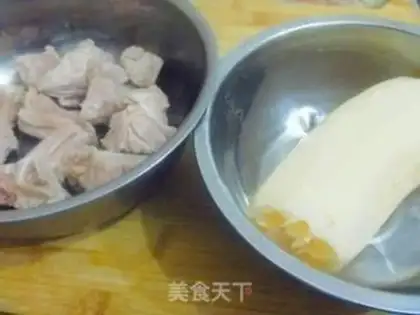
3
Blanch the crescent bone in water and remove it and wash it. Peel the lotus root and wash it.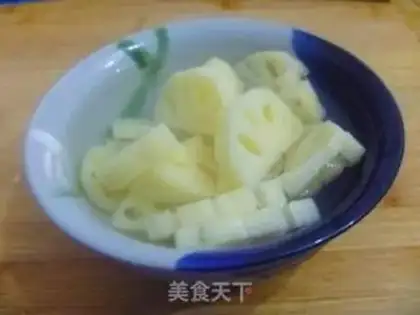
4
Cut lotus root into thick slices, wash and remove.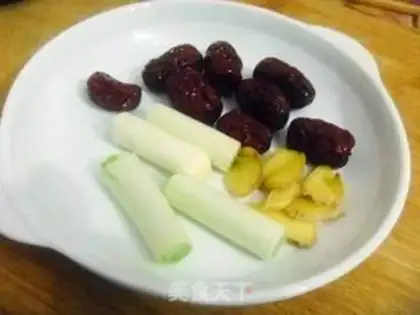
5
Wash the onions and ginger, and wash the dates.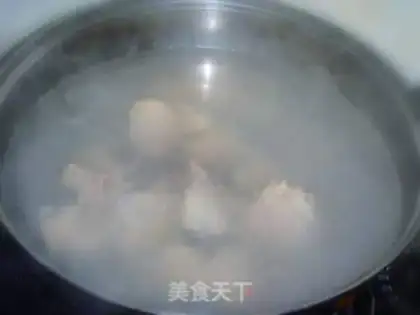
6
Put the blanched pork ribs into the soup pot and boil them.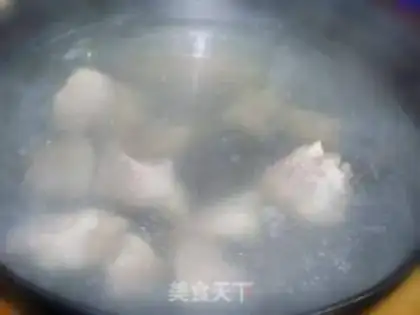
7
Remove the floating foam after the water boils.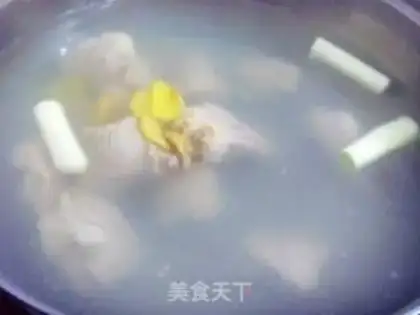
8
Then add spring onion and ginger slices, cover the pan and turn to low heat to simmer.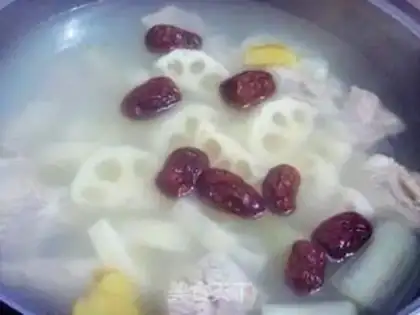
9
Simmer for 40 minutes, add dates and cook.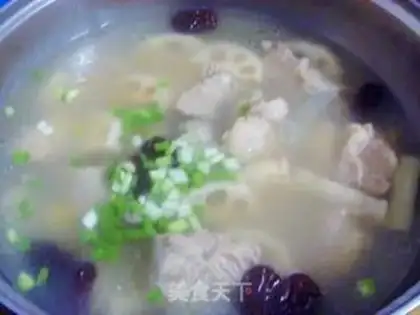
10
Then simmer for another 20 minutes, then add salt and pepper.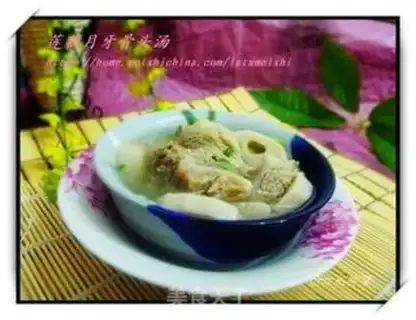
11
Pour the prepared soup into a bowl and serve it.Lotus root crescent bone soup Make Tips
1. Raw lotus roots are cold in nature, and are difficult to digest when eaten raw and mixed with cold. People with deficiency of the spleen and stomach and cold and prone to diarrhea should not eat raw lotus root, which will hinder the spleen and stomach. Therefore, they should eat cooked lotus root, preferably hot. 2. Black lotus roots with peculiar smell should not be eaten. 3. Avoid using iron when cooking lotus roots to avoid turning black during cooking. 4. The cut lotus root should not be stored directly. After cutting, it should be put into water and made immediately. It can be stored with plastic wrap. 5. Pork ribs should not be eaten with black plum, licorice, crucian carp, shrimp, pigeon meat, field snails, almonds, donkey meat, sheep liver, coriander, turtle, water chestnut, buckwheat, quail meat, or beef.