Fruit popsicles
By VicentaLakin
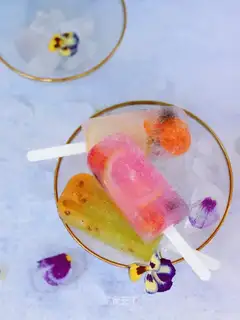
Ice cream popsicles are a hot summer cooling standard, but some beautiful little sisters are worried about the heat and are afraid of getting fat. Instead of a normal white sugar bar, wood glucose can not only reduce caloric intake by 40 per cent, but also not be fermented by oral bacteria, not increase blood sugar and taste sweetness while preventing tooth decay. Its sweetness is comparable to that of sugar, 1.2 times that of sugar at low temperatures, and its taste is cooler than that of ordinary sugar, which is used for cold drinks。
Recipe Recommendations
- Ganzhiyuan Xylitol 40 grams
- red heart dragon fruit 30 grams
- blueberry several
- passion fruit one
- kiwifruit half a
- sacred fruit several
- lemon 2 tablets
- cold boiled water appropriate amount
- sweetening
- frozen
- ten minutes
- simple
Steps for Fruit popsicles
1
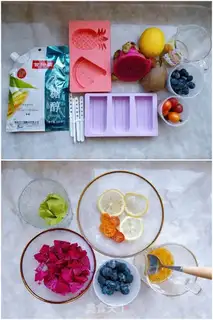
I've got fruit, molds and glucose. I've got glycerine. Flamingos, monkeys, skin cut, cloves, and blueberries and holy fruit。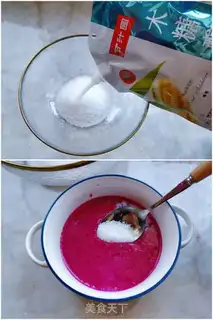
2
Give the glycol a good amount. Since low-temperature wood glucose alcohol is slightly more sweet than sugar cane, it can be adjusted according to individual population tastes. Add a little water to the flamingo, pour it into the food machine, then make it mud, and then mix it into wood glucose and mix it evenly。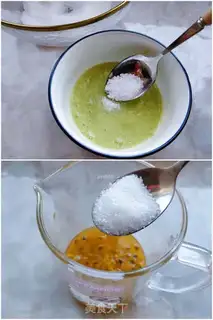
3
Scrambled the monkeys, melted the glucose alcohol and replaced it. It's just a little bit of water and glucose to melt。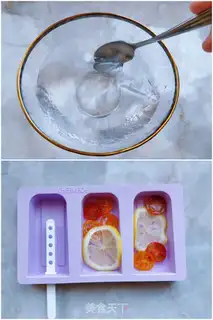
4
Disassembly the remaining glucose alcohol with cooling water to its full dissolution. Sliced lemons, holy fruit, and put it in an ice stick。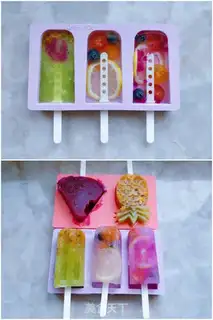
5
Put the handle of the popsicle in it and pour the water from the fruit mud, juice and dissolved wood sugar. Cover it up, put it in the freezer for one night, and get rid of it。Fruit popsicles Make Tips
1. The amount of water may be adjusted to the size of the mould, and as for dessert, it can be tasted before entering the module. 2. With regard to glucose alcohol, it is a natural, healthy sweetener that is the middle of normal sugar metabolism in people ' s bodies. Sugar alcohol is produced in Finland and is extracted from plant materials such as white herb trees, oak trees, corn cores, sugar cane dregs and, in nature, in a wide variety of fruits, vegetables and cereals. 3. The glucose garden bag is pure, the particles are fine, and the seals are closed and are not easily wet and damp。