Bread
By VicentaLakin

The northerners are relatively good at pasta, and they usually make buns, rolls, buns, winter cabbage, carrots, buns, the main character of the family table。
Recipe Recommendations
- flour 1千 grams
- radish one
- pork 500 grams
- water 500 grams
- onion three
- Jiang appropriate amount
- peanut oil 150 grams
- Very fresh. appropriate amount
- bean paste appropriate amount
- MSG appropriate amount
- fungus appropriate amount
- leek half a catty
Steps for Bread
1
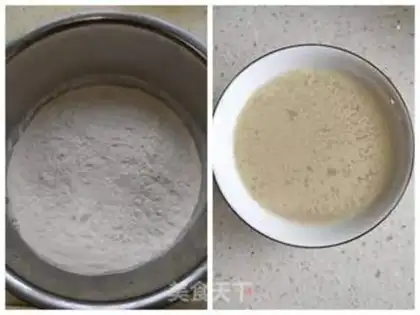
I'm sure the first step is to prepare the noodles! The ratio of flour to water is about 2:1 and the amount of water used is adjusted according to the quantity of flour consumed by households! Put the yeast in the hot water (the water is no more than 40 degrees, the water is hot enough to burn the yeast, just try the heat with your hand) to melt the yeast, and the amount of water used to melt the yeast is about half of the total water. I think there's less use for yeast, and if you want to ferment a little bit more。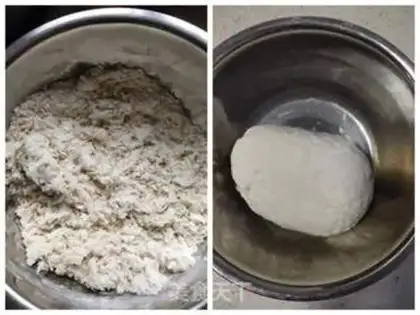
2
First, the yeast drops into the flour, and then the flour mixes into a cotton swarm, and the yeast is not enough to warm up the fresh water, so that the face is covered, so that it is smooth as possible, or the face can be sprouted. The bag face can't be too hard. It's a little softer。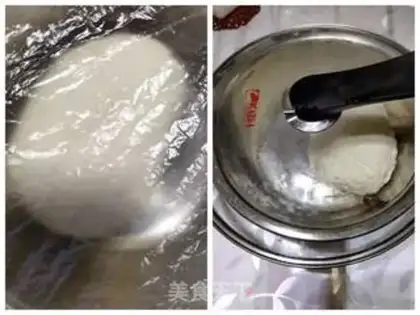
3
The fermented face is covered with a shampoo (sealed lid)。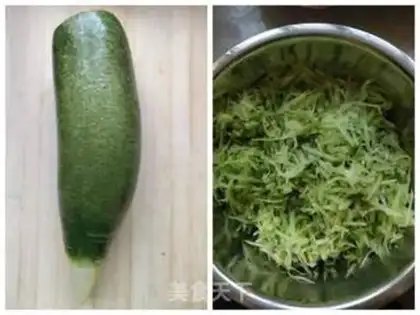
4
Carrot one by one cleans up and wipes the bed into thins。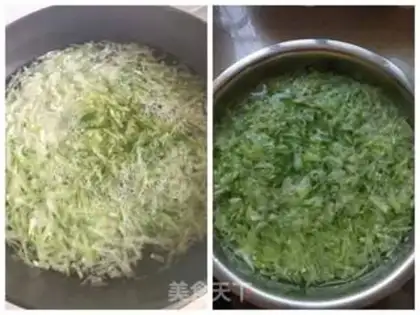
5
The radish, which is rinded in silk, is released into the water and is then immersed in cold water to remove the odor of the radish, which can be changed several times if the time is tight。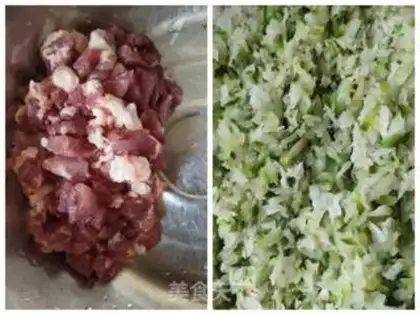
6
The pork is 500 grams cut and the radish is ready to cut off the water。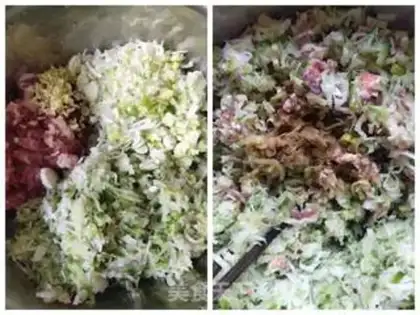
7
Onions cut well, with meat, radish, a little bundled sauce, peanut oil (slightly more when it comes to buns, about 150 grams) and very rare and evenly mixed。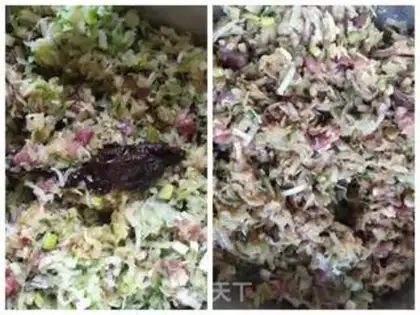
8
I like to add a little soybean sauce, which I can't afford to ignore, and a bit of early-blowed wood, evenly mixed, and full of meat and radish。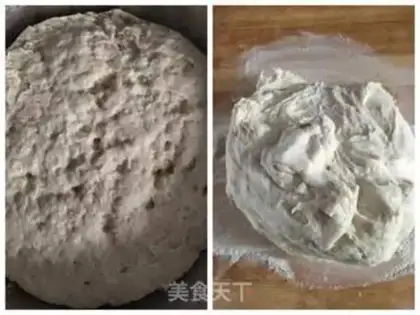
9
The fermented noodles are almost twice the size of the original ones, such as the picture, the face is ready, one layer of powder is placed on the panel, then the fermented noodles are grafted on the panel, and the face must be rubped for a little longer, with the smoother, the better, the better, the better the taste of the bun。10
When the noodles are covered, they are placed in the basin for a little 5 to 10 minutes, so don't forget to cover them with a lid。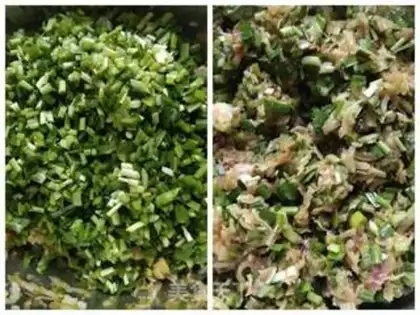
11
They're in the ground, they're in the ground, they're in the ground, they're in the ground, they're in the ground. Be careful. I did this before the buns! Before you know it, you'll only have enough meat and radish for salt and cuisine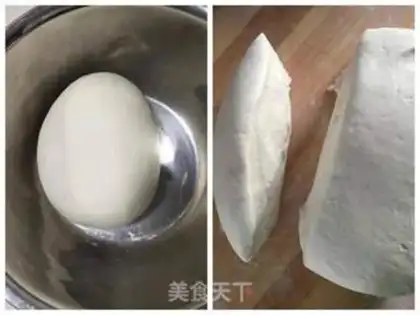
12
Don't rub the pasta, put it on the panel, cut a long strip。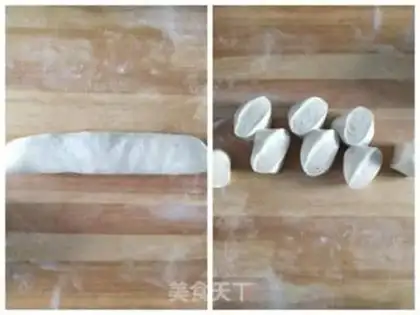
13
A long striped noodle is grown into a cylinder, with a knife cut into a small agent (in general, two dumplings are small)。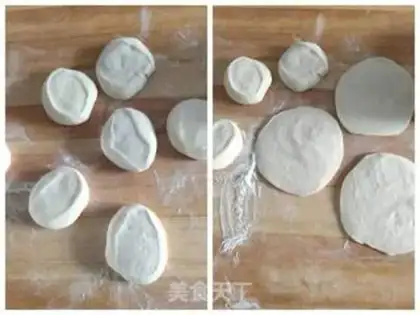
14
Each small agent uses its hands in the form of a tortilla, with a cane in the shape of a condensed corset, and a little bit thicker in the hair of the bread。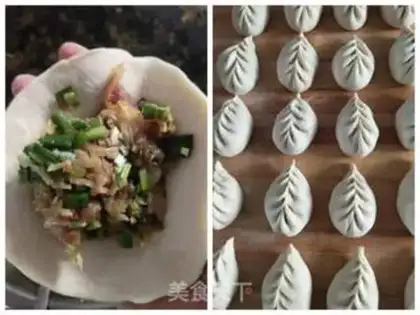
15
It's starting to pack. This time it's wheat。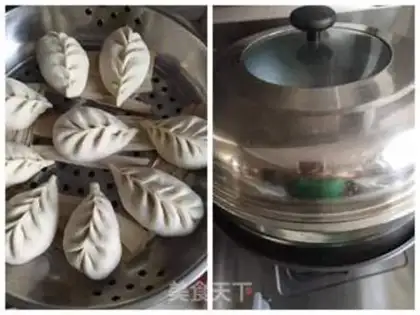
16
I fermented twice after the bun was wrapped, with a little temperature in the winter pot, around 40 degrees normal, and the bun was placed directly in the cage box, with a fermentation on the top, so that the fermentation did not worry about the pasta dry. The temperature varies from fermentation to fermentation time, and the temperature of the house is about 22 degrees per hour。
17
When the buns are fermented, the fire evaporates, 10 minutes when the pot opens, 5 minutes when the fire starts, 3-5 minutes after the ceasefire, and the beautiful wheat bun comes outBread Make Tips
1. Bread is softer and softer and softer. 2. The fermentation front is smooth. The fermented face must also be fermented in order to wrap the buns, which are sold and tasted well。