This dish has the effect of strengthening the spleen, appetizing, and lowering blood lipids.
After the beginning of autumn, fresh lotus root became one of the must-have dishes for people's family banquets. Lotus root contains a variety of nutrients and asparagine, protein amino acids, trigonelline, dry acid, sucrose, glucose, etc. Fresh lotus root contains 20% carbohydrates and is rich in calcium, phosphorus, iron and multiple vitamins. Fresh lotus root can be cooked alone or used as an ingredient for other dishes. For example, lotus root meatballs, lotus root sausage, shrimp minced lotus root dumplings, fried crispy lotus root shredded, fried lotus root crab, stewed lotus root soup, stewed pork ribs with fresh lotus root, cold lotus root slices, etc., are all well-known home-cooked dishes with wine and rice.
Nutritional value of lotus root
1. Clearing heat and cooling blood: Lotus root is cold in nature and has the effect of clearing heat and cooling blood, and can be used to treat heat diseases; lotus root is sweet and liquid, and is especially beneficial to people with fever, thirst, epistaxis, hemoptysis, and bleeding.
2. Relieving diarrhea, strengthening spleen and appetizing: Lotus root contains mucus protein and dietary fiber, which can combine with cholates in the human body, cholesterol and triglycerides in food, causing them to be excreted from feces, thereby reducing lipid absorption. Lotus root exudes a unique fragrance and also contains tannin, which has a certain effect of strengthening the spleen and diarrhea. It can enhance appetite, promote digestion, appetizing and healthy middle, and is beneficial to people with poor appetite and loss of appetite to restore health.
3. Benefiting blood and promoting muscles: Lotus root has a high nutritional value. It is rich in trace elements such as iron and calcium. It is also rich in plant protein, vitamins and starch. It has obvious effects in replenishing qi and blood and enhancing human immunity. Therefore, traditional Chinese medicine calls it: "The main thing is to nourish the middle and nourish the body and increase the strength."
4. Stop bleeding and dissipate blood stasis: Lotus root contains a large amount of tannic acid, which has the effect of contracting blood vessels and can be used to stop bleeding. Lotus root can also cool blood and disperse blood. Traditional Chinese medicine believes that it stops bleeding without leaving blood stasis and is a good food therapy for febrile diseases.
Celery is cool in nature, sweet and spicy in taste, and non-toxic; it enters the lungs, stomach and liver meridians.
Indications: Clear heat and eliminate annoyance, calm the liver, promote water and reduce swelling, cool blood to stop bleeding. Indications for hypertension, headache, dizziness, extreme heat and polydipsia, jaundice, edema, hot and astringent urine, irregular menstruation in women, red and white discharge. scrofula. Symptoms such as gills.
Notes:
Celery is cool and smooth in nature, so people with deficiency of spleen and stomach and cold and slippery intestines should be eaten with caution.
stir-fried three shredded vegetables
By PansyWunsch
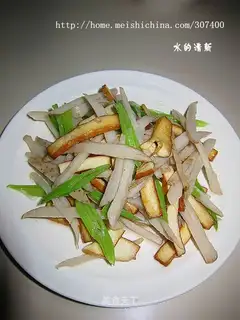
Recipe Recommendations
- lotus root section
- parsley 2 pieces
- dried bean curd 4 tablets
- lard appropriate amount
- salt appropriate amount
- MSG appropriate amount
Steps for stir-fried three shredded vegetables
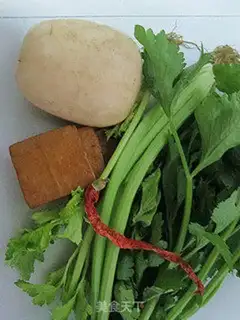
1
Prepare the ingredients.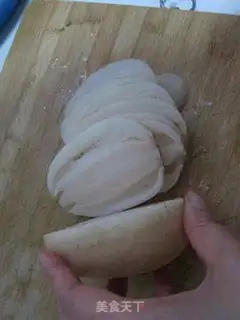
2
Wash the lotus root and slice it vertically.
3
Cut it into shredded silk, soak in water for 2 minutes, drain and set aside.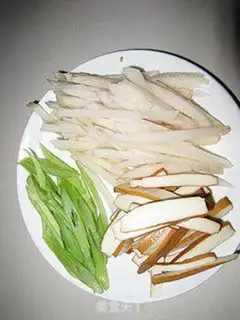
4
Shred dried tofu, remove the leaves and cut into shapes.
5
Heat the pan and add oil and stir with salt.
6
Turn on low heat and add in dried tofu and saute until fragrant.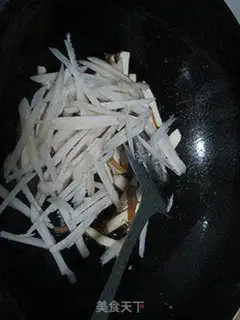
7
Pour in the lotus root silk and stir fry well.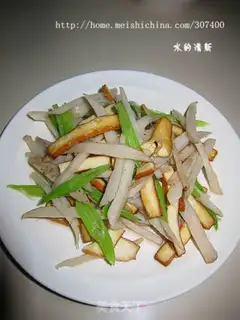
8
Finally, add the parsley, stir fry the MSG and remove the pan.stir-fried three shredded vegetables Make Tips
1. After washing the lotus root, be sure to slice it vertically before it can be cut into silk. 2. Soak in water for 2 minutes to prevent the lotus roots from turning black and sticking to the pan during frying. 3. When stir-frying lotus roots, it is best to use low or medium heat throughout the process. 4. At that time, there was no garlic at home, so you could add some garlic or pepper to stir-fry it to enhance the flavor.