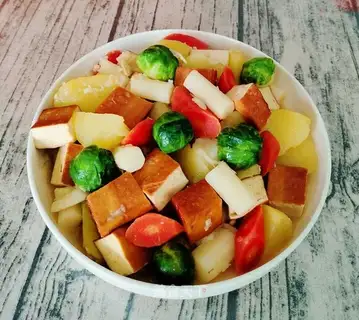
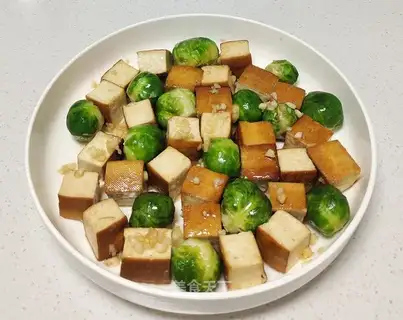
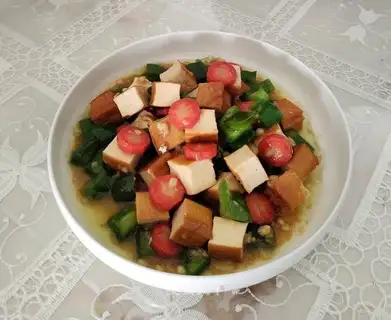
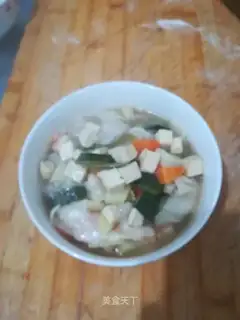
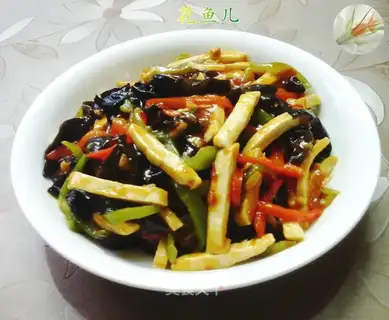
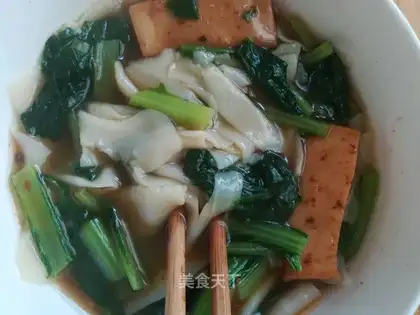
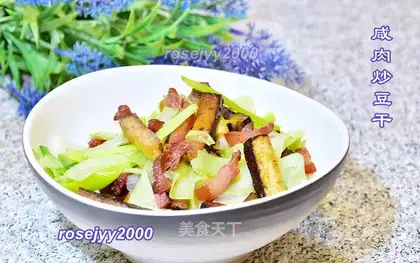
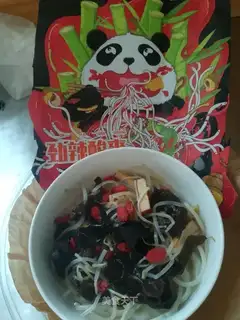
Tofu dried, also known as dougan or soybean curd cake, is a versatile and nutrient-dense food that has been a staple in Asian cuisines for centuries. Made by pressing fresh tofu to remove excess moisture, this firm, chewy ingredient is not only a culinary chameleon but also a nutritional powerhouse. Packed with protein, vitamins, and minerals, tofu dried offers numerous health benefits, from supporting muscle growth to promoting heart health. However, like all foods, it should be consumed in moderation and with awareness of potential dietary restrictions. This article explores the nutritional value of tofu dried, its health benefits, and important precautions to consider when incorporating it into your diet.
Nutritional Value of Tofu Dried
Tofu dried is a concentrated source of nutrients, derived from soybeans—one of the most protein-rich plants on earth. Its nutritional profile is shaped by the soybean’s natural composition and the pressing process, which reduces water content while amplifying nutrient density.
1. High-Quality Protein
Soybeans are a complete protein source, meaning they contain all nine essential amino acids that the human body cannot produce independently. Tofu dried retains this quality, with approximately 15–20 grams of protein per 100 grams—comparable to meat or fish but with less saturated fat. This makes it an excellent alternative for vegetarians, vegans, or individuals looking to reduce animal product consumption. The protein in tofu dried is also highly bioavailable, meaning the body can easily absorb and utilize it for muscle repair, enzyme production, and immune function.
2. Essential Vitamins and Minerals
Tofu dried is rich in several micronutrients critical for overall health:
- Calcium: Many commercially available tofu dried varieties are fortified with calcium, providing up to 20% of the daily recommended intake per serving. Calcium is vital for bone health, nerve function, and muscle contraction.
- Iron: Soybeans contain non-heme iron, which is less easily absorbed than heme iron from animal sources. However, consuming tofu dried with vitamin C-rich foods (such as bell peppers or broccoli) can enhance iron absorption. Iron is essential for oxygen transport in the blood and energy production.
- Magnesium: This mineral supports over 300 biochemical reactions in the body, including regulating blood sugar, blood pressure, and muscle function. Tofu dried provides around 15% of the daily magnesium requirement per 100 grams.
- B Vitamins: Tofu dried is a good source of B vitamins, particularly riboflavin (B2), niacin (B3), and vitamin B6. These vitamins play key roles in metabolism, energy production, and brain health.
- Zinc and Selenium: Zinc is crucial for immune function and wound healing, while selenium acts as a powerful antioxidant, protecting cells from oxidative damage.
3. Healthy Fats and Fiber
Tofu dried contains moderate amounts of polyunsaturated fats, including omega-3 and omega-6 fatty acids, which support heart health by reducing inflammation and improving cholesterol levels. It is also a good source of dietary fiber (around 5–7 grams per 100 grams), which aids digestion, promotes satiety, and helps regulate blood sugar levels.
4. Bioactive Compounds
Soybeans are unique for their content of isoflavones—plant-based compounds with estrogen-like properties. Tofu dried contains two primary isoflavones: genistein and daidzein. These compounds have antioxidant, anti-inflammatory, and potential anticancer effects, though their impact varies depending on individual metabolism and gut health.
Health Benefits of Tofu Dried
The impressive nutritional profile of tofu dried translates to a range of health benefits, making it a valuable addition to a balanced diet.
1. Supports Muscle Growth and Repair
The high-quality protein in tofu dried provides the building blocks (amino acids) necessary for muscle synthesis. This is particularly beneficial for athletes, older adults (to combat age-related muscle loss), or anyone recovering from injury. Unlike animal proteins, tofu dried is low in saturated fat, making it a heart-healthy option for active individuals.
2. Promotes Heart Health
Tofu dried is a heart-friendly food for several reasons:
- Lowers Cholesterol: The isoflavones in tofu dried help reduce LDL (“bad”) cholesterol while increasing HDL (“good”) cholesterol. Studies show that regular soy consumption can lower the risk of cardiovascular disease by 10–15%.
- Reduces Blood Pressure: The potassium and magnesium in tofu dried help regulate blood pressure by balancing sodium levels and relaxing blood vessels.
- Improves Blood Vessel Function: The arginine in soybeans (a precursor to nitric oxide) helps dilate blood vessels, improving blood flow and reducing the risk of atherosclerosis.
3. Aids in Weight Management
Tofu dried is low in calories (around 150–200 calories per 100 grams) but high in protein and fiber, both of which promote feelings of fullness. This can help reduce overall calorie intake, making it an excellent food for weight loss or weight maintenance. Additionally, the protein in tofu dried helps preserve muscle mass during calorie restriction, ensuring that weight lost comes from fat rather than lean tissue.
4. Supports Bone Health
Calcium-fortified tofu dried is a valuable source of calcium for individuals who do not consume dairy products. Combined with vitamin D (which enhances calcium absorption), tofu dried can help prevent osteoporosis and maintain bone density, especially in postmenopausal women who are at a higher risk of bone loss.
5. May Reduce the Risk of Chronic Diseases
The isoflavones and antioxidants in tofu dried have been linked to a reduced risk of several chronic conditions:
- Type 2 Diabetes: Fiber and protein help regulate blood sugar levels, reducing the risk of insulin resistance.
- Certain Cancers: Genistein and daidzein may inhibit the growth of cancer cells, particularly breast and prostate cancer, though more research is needed.
- Menopausal Symptoms: Isoflavones can mimic estrogen, helping to alleviate hot flashes and mood swings in menopausal women.
6. Versatile and Digestible
Tofu dried is easy to digest compared to other soy products (such as soybeans) because the pressing process removes some of the oligosaccharides—compounds that can cause gas and bloating. Its neutral flavor allows it to absorb marinades and spices, making it a versatile ingredient in both savory and sweet dishes.
Precautions and Potential Side Effects
While tofu dried offers numerous health benefits, it is important to consume it in moderation and be aware of potential risks, especially for certain individuals.
1. Soy Allergies
Soy is one of the eight major allergens, and individuals with soy allergies should strictly avoid tofu dried. Allergic reactions can range from mild (hives, itching) to severe (anaphylaxis). Those with a known soy allergy should read labels carefully, as tofu dried is often used in processed foods like snacks, soups, and vegetarian meats.
2. Thyroid Function
Soy contains goitrogens—compounds that can interfere with thyroid function by inhibiting the uptake of iodine. While moderate consumption of tofu dried is generally safe for people with normal thyroid function, those with hypothyroidism or iodine deficiency should limit their intake and ensure adequate iodine consumption (e.g., through iodized salt or seafood). Cooking tofu dried can reduce its goitrogenic effects.
3. Estrogenic Effects
Isoflavones in tofu dried have weak estrogenic properties, which has raised concerns about their impact on hormone-sensitive conditions such as breast cancer. However, research is mixed. Some studies suggest that soy consumption may reduce breast cancer risk, particularly when consumed during adolescence or early adulthood. Others advise caution for women with existing hormone-dependent cancers. If you have a history of hormone-sensitive cancers, consult a healthcare provider before consuming tofu regularly.
4. Phytic Acid Content
Soybeans contain phytic acid, an antinutrient that can bind to minerals like iron, zinc, and calcium, reducing their absorption. Soaking, fermenting, or cooking tofu dried can significantly lower phytic acid levels, improving mineral bioavailability. Individuals with mineral deficiencies should take these steps to maximize nutrient absorption.
5. Sodium Content
Some commercially available tofu dried products are high in sodium due to salting or seasoning processes. Excessive sodium intake can increase blood pressure and the risk of heart disease. To minimize sodium, choose low-sodium varieties or prepare tofu dried at home by pressing and seasoning it with herbs and spices instead of salt.
6. Moderation is Key
While tofu dried is nutritious, excessive consumption (more than 2–3 servings per week) may lead to an imbalance in nutrient intake or potential side effects. As with any food, variety is essential—ensure your diet includes a wide range of protein sources, fruits, vegetables, and whole grains.
Conclusion
Tofu dried is a nutrient-dense, versatile food that offers a host of health benefits, from supporting muscle growth and heart health to aiding weight management and reducing the risk of chronic diseases. Its high protein content, essential vitamins and minerals, and bioactive compounds make it an excellent choice for vegetarians, vegans, and health-conscious individuals alike. However, it is important to consume tofu dried in moderation and be mindful of potential risks, such as soy allergies, thyroid issues, and sodium content. By incorporating tofu dried into a balanced diet and preparing it wisely, you can enjoy its nutritional benefits while minimizing any adverse effects. Whether stir-fried, grilled, or added to soups, tofu dried is a delicious and wholesome addition to any meal.