Micah
By VicentaLakin
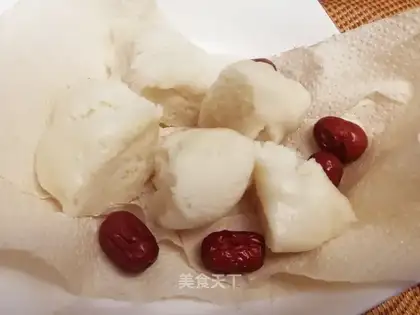
Hand-in-hand, easy-to-hand food, flexible and free play. Take a test of the yeast -- is it fungus or bacteria? Be safe in the kitchen, be careful with the heat, be careful with the knife, pack the table, watch the table。
- sweet fragrance
- steamed
- several hours
- ordinary
Steps for Micah
1
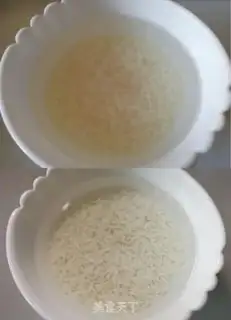
All the rice to wash, and a bit of it。
2
all rice asphalt is placed in a mixer (emm, rice smell). add all wine brewing (self-selected) with a suitable amount of milk (self-selected) or fresh water, so that it is able to grind into fine grainless rice。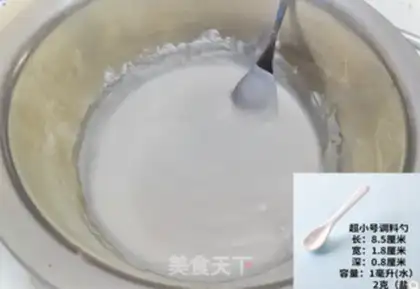
3
Pour out, add all the sugar and all the yeast (the spoon of 2 grams is probably that big on the bottom right). Add flour, how much is it? This is more flexible, less rice paste; just a little more lasagna。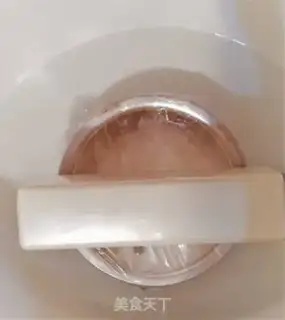
4
Let yeast work in warm places (traditionally covered in covers), half an hour or so. There will be a lot of bubbles (about double the amount of rice flour), and these gases are carbon dioxide from yeast。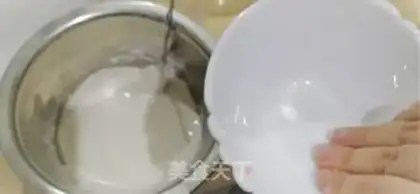
5
The container is filled with oil and can be easily removed. There's some black sesame on the bottom。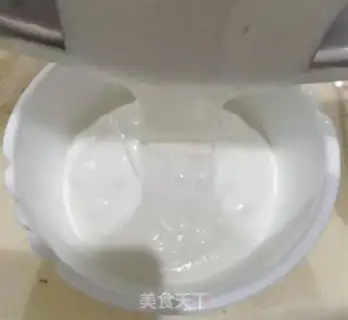
6
The rice is pouring in. It'll take a while to wake up。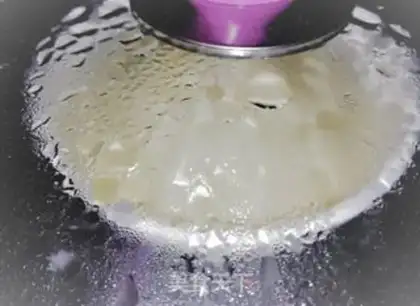
7
In the pot, the fire evaporates for 20 minutes (15 minutes rice flour) and shuts down for 5 minutes。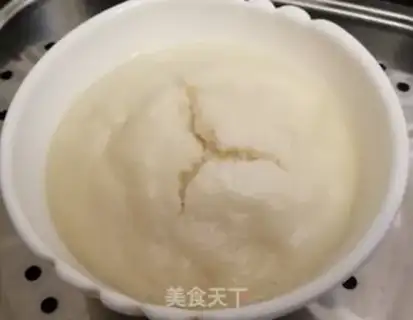
8
Out of the pot, a little cold, defilm。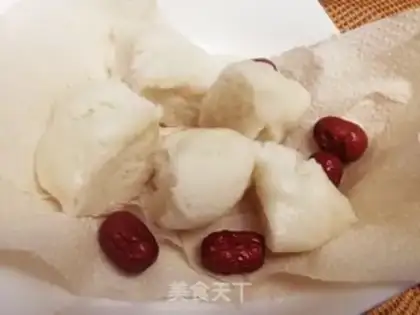
9
Sweet fragrance, fat and white. Don't think I've finished the dishesMicah Make Tips
It's a problem on the platinum. The yeast is fungi. (You're right) There's a cytonucleus in the nucleus package: fungi is a true nucleus: bacteria is not an original nucleus. The real nuclear cells are usually larger than the original ones. The yeast is a single-cell fungus, anaerobic, aerobic and anaerobic. In the absence of oxygen, sugar can be converted into carbon dioxide and ethanol for energy (fermentation)。