When it comes to supplements, there is a home-cooked dish that is the most and cheapest this season. What? lotus root.
Lotus root, also known as lotus root, is a plant in the water lily family. Because it contains a high iron content and has high medicinal value regardless of raw and cooked, there is a folk saying that "lotus lotus is a treasure, and autumn lotus is the most nourishing one."
Things that grow in water have a strong moisturizing effect, such as water chestnut and lotus root. According to modern pharmacological research, lotus root has been confirmed to have a strong antioxidant effect, and its effect greatly exceeds that of some dark vegetables.
Lotus sprouts are nutritious. Take 100 grams of lotus sprouts as an example. They contain 78 grams of water, 1 gram of protein, 0.5 grams of crude fiber, 0.5 mg of iron, and only 0.1 grams of fat. Moreover, since the autumn and winter seasons are the peak season for lotus roots harvesting, and the price is relatively cheap, the elderly and children can eat more.
The glutinous rice lotus root is red and bright in color, oily and sweet. It has the therapeutic effect of nourishing blood, strengthening the spleen and appetizing. The lotus root is also added with glutinous rice that has the functions of nourishing the middle and replenishing qi, strengthening the spleen and nourishing the stomach. The delicious food made with these two treasures can help us "Massage" the stomach that has been full of big fish and meat.
Taro has a high nutritional value. The starch content in the tubers reaches 70%. It can be used as both food and vegetables. It is a tonic for all ages and young. It is a treasure of vegetarian food in autumn. Taro is also rich in protein, calcium, phosphorus, iron, potassium, magnesium, sodium, carotene, niacin, vitamin C, vitamin B1, vitamin B2, saponin and other ingredients. Traditional Chinese medicine believes that taro is sweet, spicy and flat in nature and enters the intestines and stomach. It has the effects of nourishing the stomach, broadening the intestines, relaxing the bowels and resolving masses, replenishing the middle and nourishing the liver and kidney, and replenishing the essence and marrow. It has a certain effect on assisting in the treatment of dry stools, goiter, scrofula, mastitis, insect bites and bee stings, intestinal worms, acute arthritis and other diseases. However, you should be careful not to rub or apply it to healthy skin, otherwise it will cause dermatitis. Once this happens, you can use ginger juice to gently scrub.
There are many ways to make taro, salty and sweet, and ever-changing. Osmanthus sugar taro soup is ruddy in color and sweet in the mouth. It is the first choice for tonic in autumn and winter.
When taro meets lotus root, it becomes lotus root fragrant taro. The lotus root is crisp and the taro is soft and glutinous. When fried together, it is very refreshing.
Ouranxiang taro
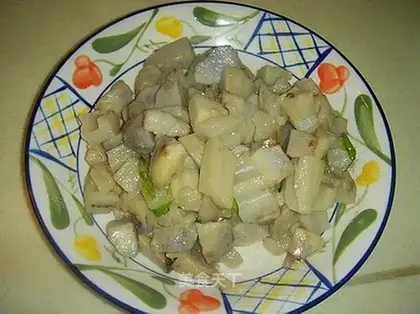
Recipe Recommendations
- Taro appropriate amount
- lotus root appropriate amount
- onion appropriate amount
- Jiang appropriate amount
- salt appropriate amount
Steps for Ouranxiang taro
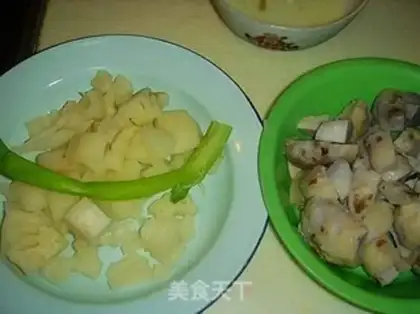
1
Dice taro and lotus root. The taro is cooked.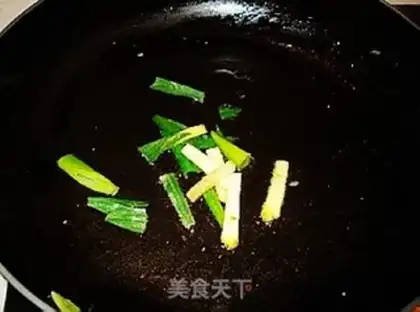
2
Saute chives and ginger.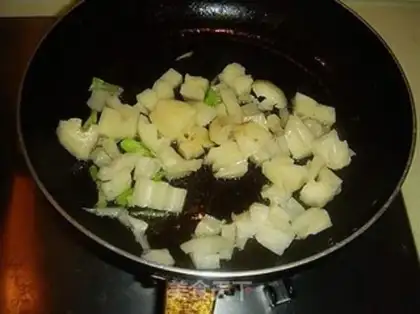
3
Add the lotus root and stir-fry it slightly.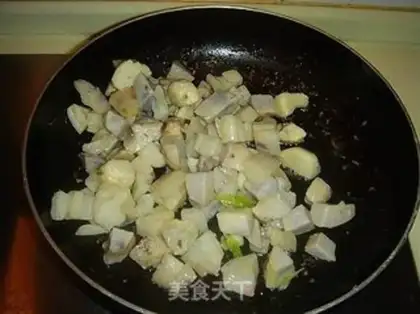
4
Add taro, stir-fry, add salt and remove from the pan.