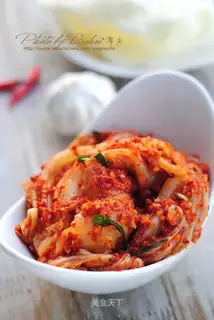
This spicy cabbage was made about 8 days ago, and it was finally taken out to see the light of day until yesterday.
Spicy cabbage is a food accompaniment passed down from generation to generation by the Korean people, but it is now a popular food. Its sour, spicy and refreshing taste is also deeply loved by the Hui family.
This is the second time I have made spicy cabbage. Compared with the first time, this time I have made more ingredients, and the taste is actually good. If you don't have an appetite, just have some spicy cabbage. It will definitely make you have a big appetite and serve the meal.
Different from traditional pickled vegetables, spicy cabbage contains rich inorganic substances such as calcium, copper, phosphorus, and iron, which can promote the absorption of vitamin C and vitamin B. Kimchi fermentation produces sour lactic acid bacteria, which not only purifies the gastrointestinal tract, but also promotes the decomposition and absorption of proteins in the gastrointestinal tract and inhibits the growth of other harmful bacteria in the intestine. In addition, spicy cabbage can be eaten raw or cooked. It can also be made into fried pork belly with spicy cabbage, spicy cabbage miso soup, spicy cabbage instant noodles, spicy cabbage stewed tofu, spicy cabbage bibimbap and other delicacies. It is definitely a delicious food that knows no boundaries. I hope everyone likes it.
Korean spicy cabbage
Recipe Recommendations
- Chinese cabbage 2 trees
- white radish half a
- shrimp skin a small handful
- leek a small handful
- Apple one
- pear one
- chili noodles 150 grams
- Jiang 5 pieces
- garlic of 2
- salt appropriate amount
- white sugar 2 spoons
- fish sauce a small bowl
- glutinous rice flour 50 grams
- medium spice
- pickled
- an hour
- ordinary
Steps for Korean spicy cabbage
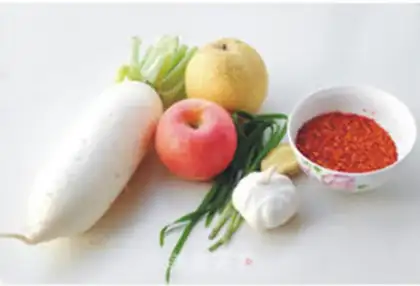
1
Prepare the ingredients needed to make chili sauce.
2
Wash the Chinese cabbage and cut it vertically from the root into 4 halves, evenly spread with a layer of salt, marinate for 8 hours until the cabbage is soft, and pour away the marinated water. Then pass the cabbage through cold boiled water or purified water, wash off excess salt, and squeeze dry the water for later use.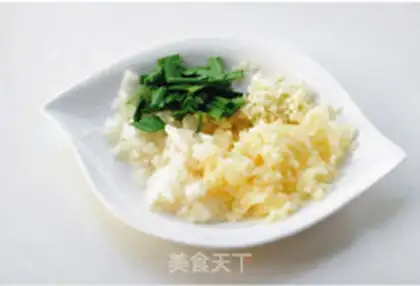
3
Cut apples and pears into shredded pieces; slice white radish into shredded pieces; chop garlic and ginger into pieces, wash leeks and cut into sections, chop shrimp skins for later use.
4
Pour the fish sauce into the chili noodles.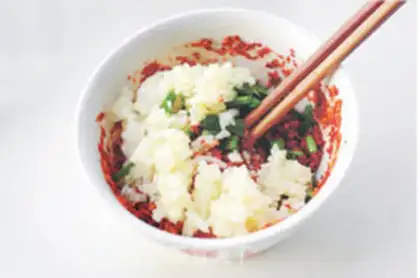
5
Add chopped apples, pears, shredded ginger and garlic, shredded white radish, leeks, shredded shrimp skin, sugar, and salt and mix well.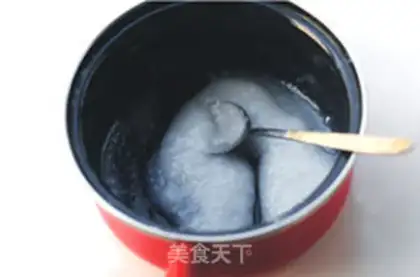
6
Stir well 50 grams of glutinous rice flour with 450 grams of water, and boil over low heat until paste. (After pouring in the chili sauce, I remembered that I had forgotten to take the glutinous rice paste, so there are only these left on the picture)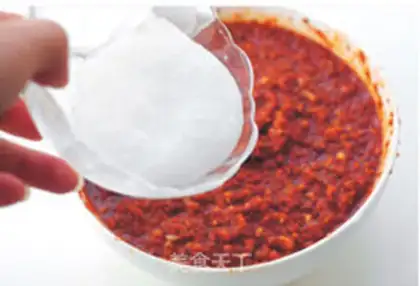
7
Pour the cooked glutinous rice paste into the chili paste.
8
Mix well.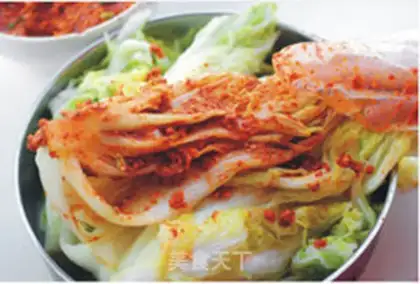
9
Wear disposable gloves or put on a fresh-keeping bag and evenly spread chili sauce on the cabbage. (Mainly based on the roots, just pass over the cabbage leaves)
10
Roll up the cabbage with chili sauce from the leaves to the roots and place it in a clean container. Fermented at room temperature for one day, place it in the refrigerator and ferment for 5-7 days.
11
Remove and eat with clean oil-free chopsticks.Korean spicy cabbage Make Tips
◎ Leeks can accelerate the fermentation of spicy cabbage and increase the aroma.◎ Shrimp skin is used to replace shrimp paste. Shrimp paste is better, and shrimp skin is also good.◎ Glutinous rice flour paste can make cabbage easier to hang on to the paddle, have a sticky feeling, and taste better when fermented. When cooking, stir well with cold water, and stir when cooking to prevent the bottom from being burnt.◎ Fish sauce is sold in large supermarkets. It can ensure the flavor of spicy cabbage. Suggestions are indispensable. If you can't buy it, you can not put it away.◎ You can taste the marinated cabbage after being soaked in water, and then decide the amount of salt to add later based on the salty taste.