White radish mutton soup
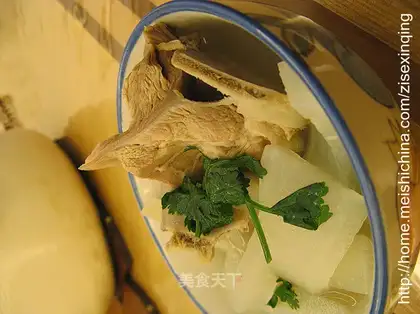
Mutton is warm in nature. Eating mutton often in winter can not only increase human body calories and resist cold, but also increase digestive enzymes, protect the stomach wall, repair gastric mucosa, help digestion in the spleen and stomach, and play an anti-aging role.
Recipe Recommendations
- mutton appropriate amount
- white radish appropriate amount
- coriander appropriate amount
- onion appropriate amount
- Jiang appropriate amount
- octagonal appropriate amount
- pepper appropriate amount
- salt appropriate amount
- salty and fresh
- stewed
- several hours
- ordinary
Steps for White radish mutton soup
1
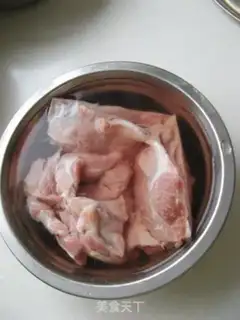
Wash the mutton and soak it in clear water overnight to let the blood seep out, and change the water 2 or 3 times in between.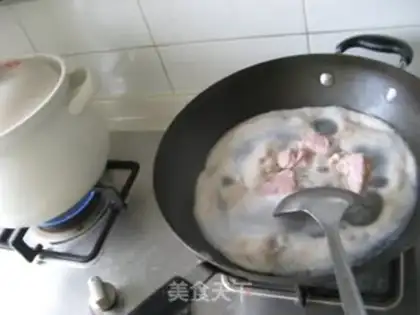
2
Cut the onions into sections and slice the ginger into slices. Add cold water to the pan and bring the soaked mutton to a boil over high heat, skimming off the floating foam. At the same time, add appropriate amount of water to the casserole from another stove and bring it to a boil.
3
Add green onions and ginger to the pot where the mutton is cooked.
4
Add cooking wine.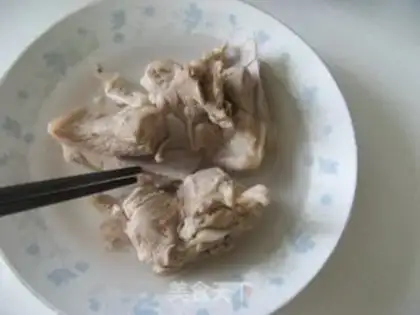
5
After boiling again, remove the mutton and wash it.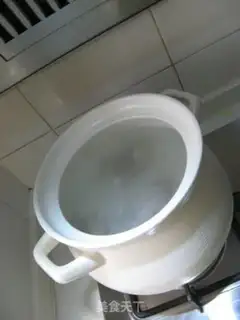
6
Put it in the casserole next to it.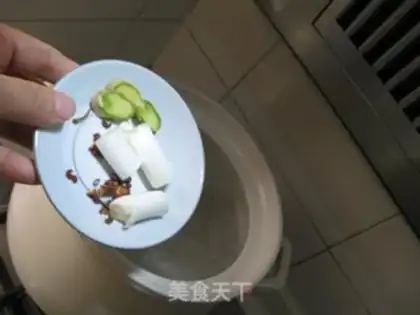
7
Add spring onion, ginger slices, pepper, and star anise.
8
Add cooking wine.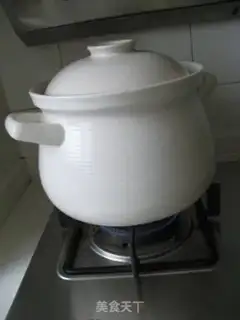
9
Cover the pan and simmer over low heat for 2 hours.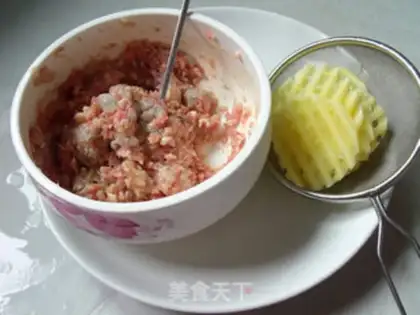
10
Add the chopped white radish strips and cook for about another 30 minutes.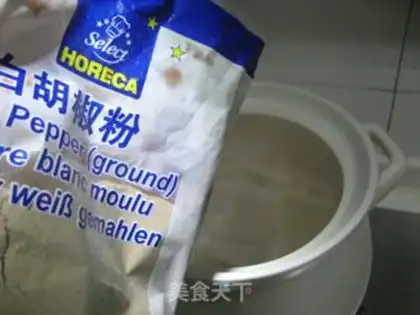
11
Add appropriate amount of white pepper and salt before taking out the pan.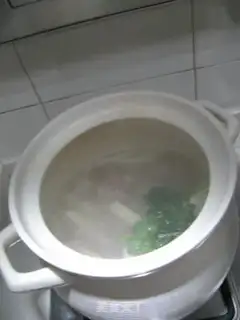
12
Sprinkle with minced coriander and serve.White radish mutton soup Make Tips
1. If the ratio of raw materials to water is 1: 1.5 when making soup, then the color, aroma and taste of the soup are the best. 2. Do not add water halfway, especially when adding cold water halfway, which will weaken the flavor of the soup. 3. It is not advisable to put salt first when making soup, because when the salt meets, the water in the raw materials is discharged and the protein solidifies, making the soup insufficient in flavor. 4. The heat when making the soup should also be appropriate. It should be boiled over high heat and simmered slowly over low heat. This can dissolve the fresh and fragrant substances such as protein extracts in the food as much as possible, making the soup fresh, pure and delicious.