The protein content of chicken meat varies according to the part, with and without skin. The approximate order from high to low is skinless chicken meat, breast meat, and thigh meat. Compared with other meats, skinless chicken has the characteristics of low calories. However, there are a lot of lipids in the skin, so chicken with skin must not be called a low-calorie food.
Every 100 grams of skinless chicken meat contains 24 grams of protein and 0.7 grams of lipids. It is a high-protein food with almost no fat.
Chicken is also a good source of phosphorus, iron, copper and zinc, and is rich in vitamin B12, vitamin B6, vitamin A, vitamin D, vitamin K, etc.
Compared with beef and pork, the lipids of chicken meat contain more unsaturated fatty acids-oleic acid (monounsaturated fatty acid) and linoleic acid (polyunsaturated fatty acid), which can reduce low-density lipoprotein cholesterol, which is detrimental to human health.
Impact on disease and health
Chicken has a high protein content, many amino acid types, and high digestibility. It is easy to be absorbed and utilized by the human body and has the effect of enhancing physical strength and strengthening the body. Chicken meat contains phospholipids that play an important role in human growth and development. It is an important source of fat and phospholipids in the dietary structure of China. Chicken has a good therapeutic effect on malnutrition, fear of cold, fatigue, irregular menstruation, anemia, weakness and other diseases. Traditional Chinese medicine believes that chicken has the effects of warming the middle and replenishing qi, replenishing deficiency and replenishing essence, strengthening the spleen and stomach, activating blood vessels, and strengthening muscles and bones.
Chicken breast meat contains more B vitamins, which can restore fatigue and protect skin; thigh meat contains more iron, which can improve iron deficiency anemia; wing meat is rich in bone collagen, which can strengthen blood vessels, muscles, and tendons.
Diet should be avoided
Chicken is more nutritious than chicken soup, so don't just drink chicken soup without eating chicken. Chicken butt is the place where lymph is most concentrated, and it is also a warehouse for storing bacteria, viruses and carcinogens. It should be discarded. Patients with gout should not drink chicken soup, because chicken soup contains high levels of purine, which will aggravate the condition.
Methods of purchasing, storing and eating
The meat quality of fresh chicken meat is closely arranged, the color is clean pink and shiny, the skin is beige, shiny and tense, and the hair follicles are prominent. Don't choose chicken meat and skin with dry surfaces, or chicken meat with more water and loose fat.
Chicken is relatively easy to spoil in meat products, so it should be put in the refrigerator immediately after purchase and can be eaten slightly later or the next day. Do not store the remaining chicken raw, but should be stored after being cooked. Chicken can be stewed, steamed, cooked and eaten separately, or fried with other vegetables and meat and eaten.
Nutritional value of lotus root:
1. Clearing heat and cooling blood: Lotus root is cold in nature and has the effect of clearing heat and cooling blood, and can be used to treat heat diseases; lotus root is sweet and liquid, and is especially beneficial to people with fever, thirst, epistaxis, hemoptysis, and bleeding.
lotus root
2. Relieving diarrhea, strengthening spleen and appetizing: Lotus root contains mucus protein and dietary fiber, which can combine with cholates in the human body, cholesterol and triglycerides in food, causing them to be excreted from feces, thereby reducing lipid absorption. Lotus root exudes a unique fragrance and also contains tannin, which has a certain effect of strengthening the spleen and diarrhea. It can enhance appetite, promote digestion, appetizing and healthy middle, and is beneficial to people with poor appetite and loss of appetite to restore health.
3. Benefiting blood and promoting muscles: Lotus root has a high nutritional value. It is rich in trace elements such as iron and calcium. It is also rich in plant protein, vitamins and starch. It has obvious effects in replenishing qi and blood and enhancing human immunity. Therefore, traditional Chinese medicine calls it: "The main thing is to nourish the middle and nourish the body and increase the strength."
4. Stop bleeding and dissipate blood stasis: Lotus root contains a large amount of tannic acid, which has the effect of contracting blood vessels and can be used to stop bleeding. Lotus root can also cool blood and disperse blood. Traditional Chinese medicine believes that it stops bleeding without leaving blood stasis and is a good food therapy for febrile diseases.
applicable population
Can be eaten by the general population
1. It is especially suitable for the elderly, women, children, and people with frail diseases. It is especially suitable for patients with high fever, people with hematemesis, high blood pressure, liver disease, loss of appetite, iron deficiency anemia, and malnutrition;
2. Lotus roots are cold in nature and should not be eaten too early by pregnant women; lotus roots are cold in nature and are crisp and refreshing when eaten raw, but it affects the spleen and stomach. People with low digestive function of the spleen and stomach and loose stools should not be eaten raw;
3. Lotus root decoction is taken orally to smooth the qi and relax the middle. Stir-fried charcoal can stop bleeding and dissipate blood stasis, and is used for various bleeding diseases. Generally, eating lotus root 1 to 2 weeks after childbirth can gradually relieve the symptoms.
Dosage and Administration
1. Lotus root can be eaten raw, cooked, mashed with juice, or dried and ground to make porridge.
2. When eating lotus roots, you should choose ones with a yellow-brown skin and thick and white meat. If it is dark and has a peculiar smell, it should not be eaten.
3. Raw lotus root cooked food is suitable for frying, stewing, frying and making ingredients for dishes, such as "Eight Treasures Stuffed Lotus Root","Fried Lotus Root Box", etc.
4. Avoid using iron when cooking lotus root to avoid causing the food to turn black.
5. Uncut lotus roots can be placed at room temperature for a week. However, because lotus roots easily turn black and the cut parts are easy to rot, the cut lotus roots should be covered with plastic wrap on the incision and refrigerated for a week.
edible effect
Raw lotus root is sweet and cold in nature, and enters the heart, spleen and stomach meridians;
It has the effects of clearing heat, promoting saliva, cooling blood, dispelling blood stasis, replenishing spleen, appetizing appetite, and stopping diarrhea;
Indications for fever and polydipsia, hematemesis, epistaxis, and heat stranguria.
Ripe lotus root is warm in nature and sweet in taste;
It has the effects of nourishing the stomach and strengthening the spleen, nourishing the blood, nourishing the muscles, and stopping diarrhea;
Indications for lung heat cough, irritability and thirst, diarrhea due to spleen deficiency, loss of appetite and various blood syndromes.
Huilong Zhuanfeng includes chicken, lotus root, corn, and carrots. It is nutritious and suitable for the elderly and children.
Return dragon to phoenix
By JazmyneBerge
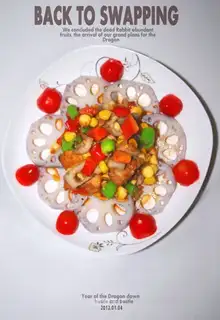
Recipe Recommendations
- chicken nuggets 1/4 chicken
- lotus root one
- corn one
- carrots one
- onion appropriate amount
- Jiang appropriate amount
- garlic appropriate amount
- millet pepper two
- pepper two
- ketchup a spoonful
- chicken essence a spoonful
- cooking wine two spoonfuls
- soy sauce two spoonfuls
- rock sugar a small handful
- slightly spicy
- fried
- three-quarters of an hour
- ordinary
Steps for Return dragon to phoenix
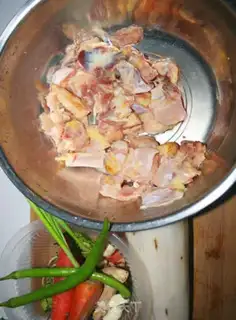
1
Preparation ingredients: chicken nuggets, millet pepper, pepper, lotus root, carrot, corn, onion, ginger and garlic.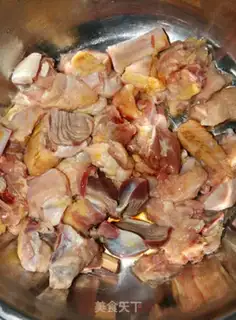
2
Wash the chicken nuggets, add cooking wine, and marinate with a spoonful of light soy sauce for 15 minutes.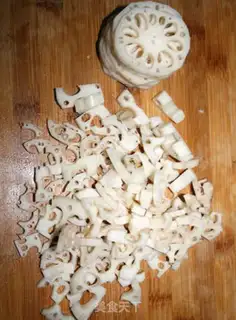
3
Slice lotus root, leave part, and cut the rest into small pieces.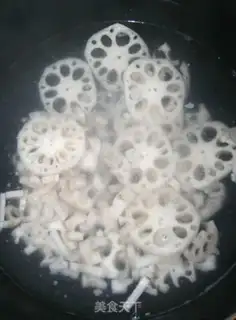
4
Cook the lotus root in water, take it out and place it in cold water. Standby.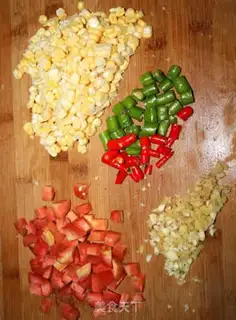
5
Cut the onions, ginger and garlic into minced ground. Cut the millet peppers, cut the peppers, cut the corn into grains, and cut the carrots into small pieces.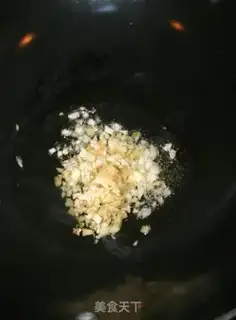
6
Stir fry the onions, ginger and garlic until fragrant.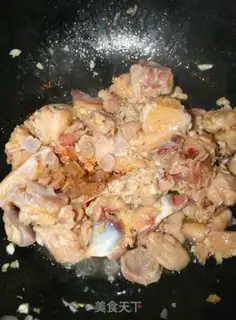
7
Add the chicken nuggets, wait for the color to change, add a spoonful of chicken essence, salty salt, cooking wine, twenty-three spices, ketchup, and a small handful of rock sugar.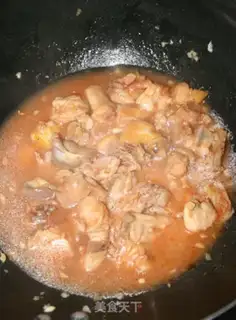
8
Pour the soaked pepper water into the stewed chicken, finish the chicken, and turn on a low heat to simmer.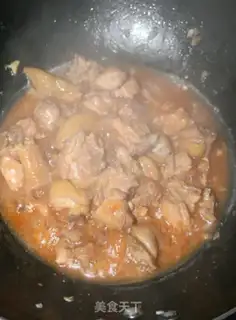
9
Simmer until the water is one-half of its original size.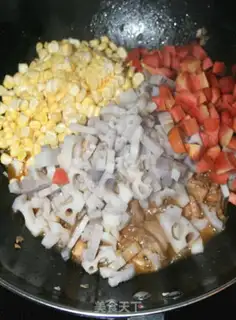
10
Add carrots, corn, and lotus root. Stir fry. Add a spoonful of light soy sauce to color.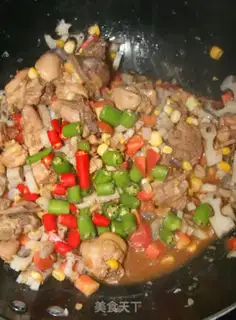
11
Add millet peppers and pepper pepper when gathering juice. Just collect the juice and stir-fry the chicken.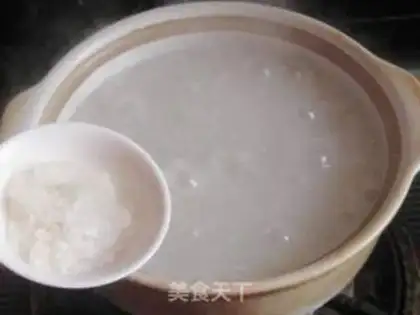
12
Put the lotus roots that have not been chopped and cooked just now on a plate.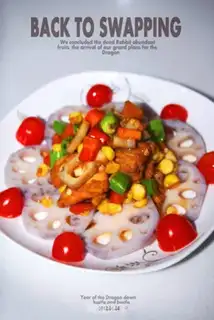
13
The lotus roots are ready. The meat tastes crispy and delicious, the chicken meat is ripe, and the taste of corn and carrot makes the dish taste very good.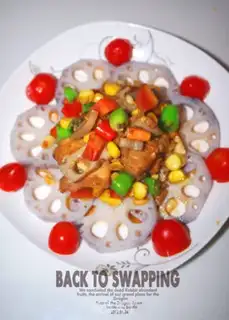
14
Finished product drawing.
15
Finished product drawing.Return dragon to phoenix Make Tips
The longer the chicken is stewed, the more delicious it will become. This depends on how much you like it, and whether you like to eat the meat that is crispy and tender or cooked. Zanthoxylum bungeanum water has always been a favorite material I use. I hope to share it with everyone. It is very delicious and easy to use.