Liang's ribs soup
By VicentaLakin

As they say, "Hollyen is a treasure, Autumn is the best person" , "Autumn time, when it's fresh in the market, it's a good thing to warm the lungs and stomachs, and it's a common dish at people's autumn table ; it's sweet, it's good to eat, it's cool or it's good. The soup is either hot or hot; today we'll share with you a meal made out of a lotion, a lotion, a lot of fresh and warm, and a lot of sweet taste。
Recipe Recommendations
- ribs 750 grams
- lotus root v. 1
- carrots 1 segment
- black fungus a little
- ginger 3 tablets
- lush 4 segments
- cooking wine 1 scoop
- salt 1 teaspoon
Steps for Liang's ribs soup

1
Get your food ready. Blackwood's immersed, it's gone。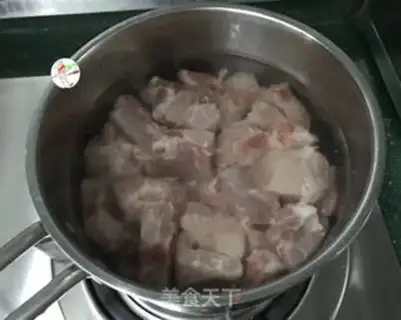
2
First, they wash their bones and put them in a water pan, then boil them and then get them out。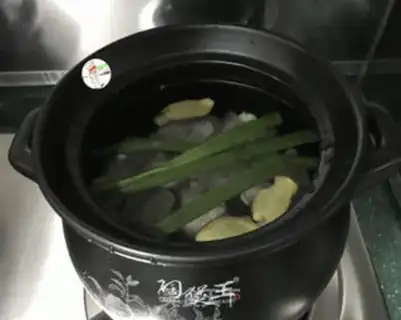
3
Put the washed ribs in the casserole, put onions, ginger chips and enough water to cover the fire。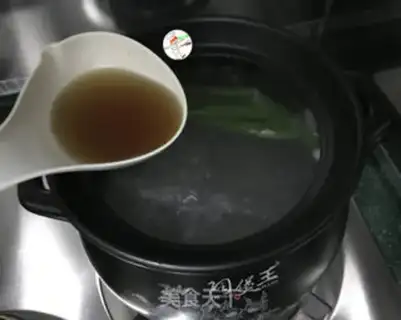
4
When boiled, a spoon of wine was added to the fragrance, and then covered with a lid, with a light for 20 minutes。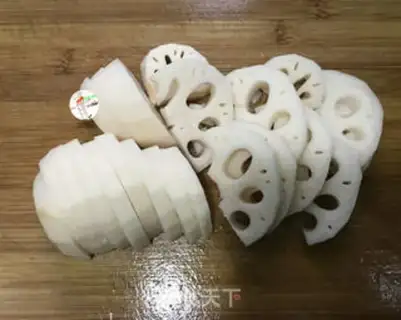
5
This is the time to deal with the culverts: the wood is washed and the little ones torn; the carrots are cut, the lily is rinsed, the slices are washed clean; the spares are provided。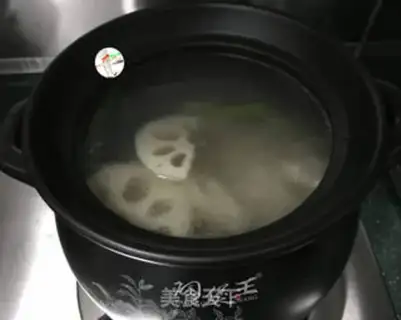
6
Then put wood and clots into the casserole, and add a fire。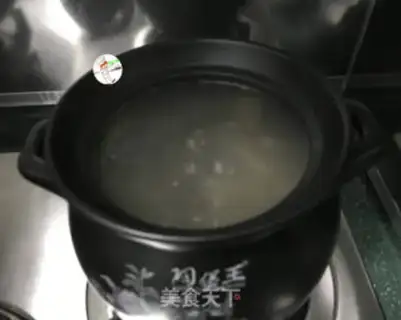
7
Cook it and turn the little fire for 20 minutes and put the carrots in there for three or five minutes。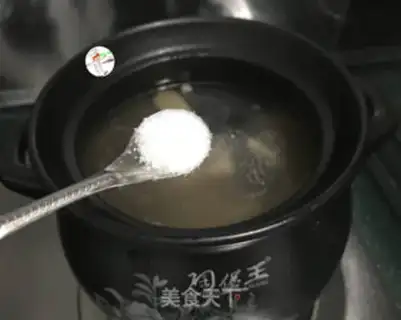
8
It's fine to use a proper amount of salt at home。
9
Fill the bowl with flowers and fragrance。
10
Liang is sweet, not dark。
11
It's so soft and delicious。Liang's ribs soup Make Tips
1 The menu may be added in accordance with the wishes of the family. It's best for the ribs to boil before the soup, so the soup doesn't taste bad. 3. It is best not to add water to water at once, which affects the taste of soup. 4 Thermal oxidation of the lichen, which is prone to blacking, is best served by the use of pots such as ceramics, glass or stainless steel for cooking; the avoidance of iron and aluminium pots; and the better taste of soup in sandpots, which are not recommended for high pressure。