Wine brewing is something we are familiar with, but sago is relatively unfamiliar to me. I used to buy sago and put it in cold water like cooking porridge. I can imagine the end result. Let me take a look at Baidu:
Simifei rice, known as Sago Rice, is a specialty of Southeast Asian countries such as Indonesia, Malaysia and Papua New Guinea. On many islands in these countries, there is a tree called Sigu coconut, also called sago palm. The trunk is thick and straight and grows flower ears when it matures. The stem pith and trunk are filled with starch. When the fruit matures, the starch is absorbed, making the stem hollow. A general tree has a life of 20 years and dies after flowering. Before it blooms, people cut down the trunk, remove the branches and leaves, saw it horizontally into sections, each section of about 1 meter, and then split it into two lengthwise. Use a knife to scrape out the starch in the stem. Immersed in the bucket, the starch slowly sinks to the bottom of the bucket. If the water above is poured out, dried and then sifted into granules. The large ones are called "pellet sago" and the small ones are called "pearl sago". The main ingredient of sago is starch, which has the functions of strengthening the spleen, replenishing the lungs, resolving phlegm, treating spleen and stomach weakness and indigestion; at the same time, sago also has the function of restoring natural moisture to the skin.
Wow, beautiful women who love beauty, eat more
Wine brewed sago

Recipe Recommendations
- wine appropriate amount
- sago appropriate amount
- lotus root starch a bag
- sweetening
- cook
- an hour
- simple
Steps for Wine brewed sago
1
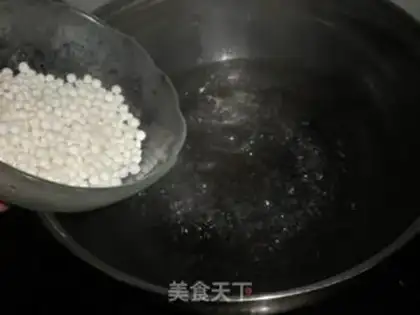
Bring the water to the boil and pour in the sago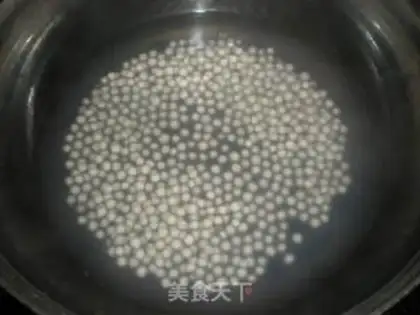
2
Cook for about 20 minutes, and there are still big white spots in the middle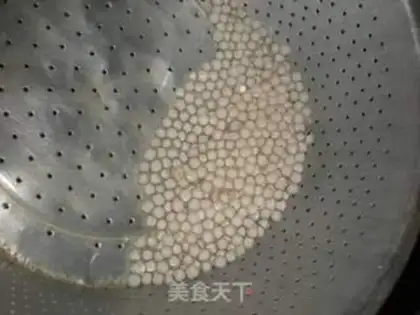
3
Filter off the water from boiling the sago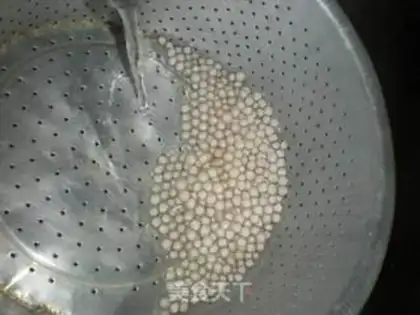
4
Wash the sago with clean water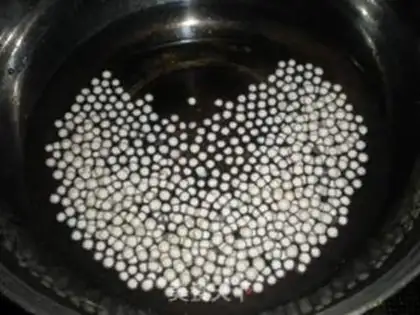
5
Let's go to the second round of sago cooking, put cold water into the pan, with a little more water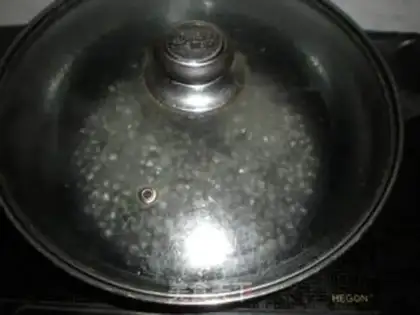
6
Bring the water to the boil and cook over low heat for about 40 minutes until there are small white spots in the middle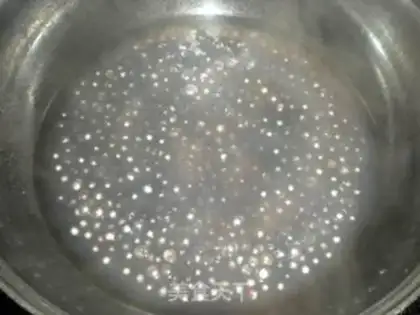
7
Turn off the heat and simmer for a while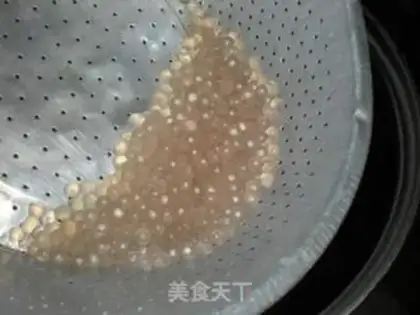
8
Filter the water used to cook the sago and cook the sago. It's good flour and Q. If you want to save trouble, you can skip this step and just add sugar and cook it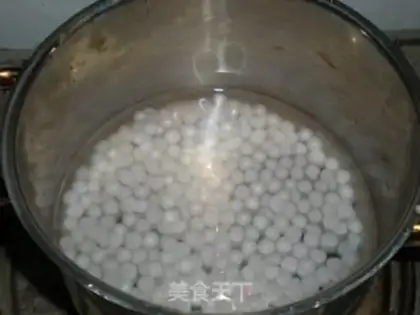
9
Put cold water in the pan and add a piece of sago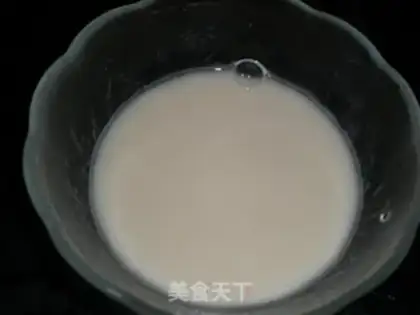
10
Mix a bag of lotus root starch with a small amount of warm water
11
Add appropriate amount of white sugar to the sago pan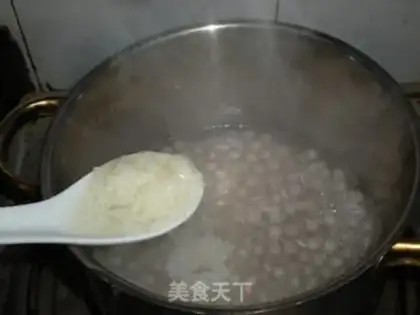
12
Add three spoonfuls of wine
13
After the water in the pot boils, change the heat to a low level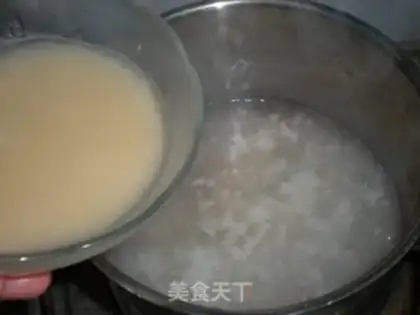
14
Pour in the prepared lotus root starch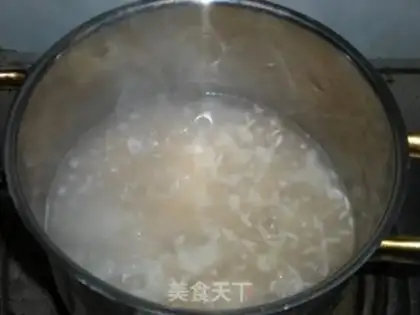
15
Stir while cooking
16
Cook until transparent and stickyWine brewed sago Make Tips
When you cook sago for the first time, you must put boiling water into the pot. The lotus root starch is sweet, and you should add less sugar as appropriate