Every spring, when it is the season to nourish the liver, I, a child with a bad liver, will start various actions to nourish the liver. There are many traditional liver-nourishing foods in traditional Chinese medicine, which are not easy to buy here, so I went to Rome and followed the customs and ate the traditional French liver-nourishing food-artichoke.
Artichoke, which looks like a lotus lantern in a Buddhist temple, should still be a strange food in China, but in France, it is the most common favorite vegetable. Its liver-nourishing effect is also recognized, and there are many health products made of artichoke. I have also been taking artichoke concentrate now. I can't say how magical its effect is. After all, it is just an extract and not a quick-acting medicine. As long as it persists for a long time, it should have an effect.
The taste of artichoke is very fresh, with the fragrance of wild spring vegetables. The taste is slightly bitter between bitter gourd and tea leaves, but the aftertaste is very sweet. The taste is like the most tender and skinned bamboo shoots, but also seems to have a faint fragrance of flowers.
The reason why artichoke is called a liver-nourishing sacred object is that its effect is threefold:
1. Artichoke has the effect of promoting liver blood circulation and promoting liver cell regeneration. It can promote the recovery and improvement of liver function.
2. Artichoke has the effect of promoting the secretion and excretion of bile (medically called "choleic effect") and can promote the excretion of toxins in the body.
3. Artichoke has the effect of lowering blood lipids and cholesterol and can promote the discharge of excess lipids in the body.
Acacia artichoke
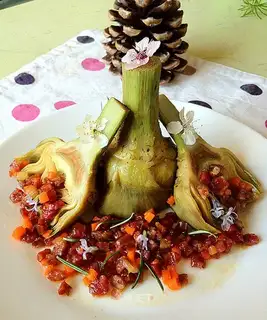
Recipe Recommendations
- sausage 2 pieces
- carrots 1 piece
- onion half a
- red onion half a
- lemon juice appropriate amount
- thyme 5 grams
- geranyl 1 tablet
- salt appropriate amount
- black pepper appropriate amount
- olive oil appropriate amount
- salty and fresh
- cook
- half an hour
- senior
Steps for Acacia artichoke
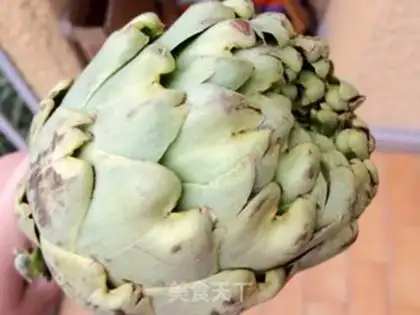
1
Peel off the artichoke petals one by one.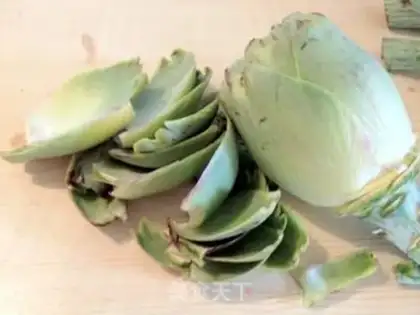
2
Peel until the bottom is soft and edible.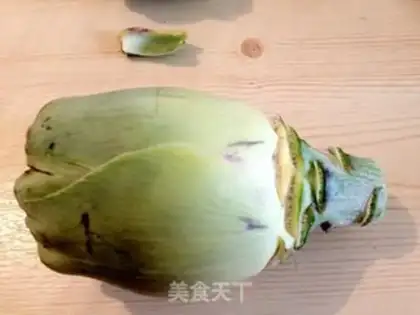
3
Cut off old stems that are not edible.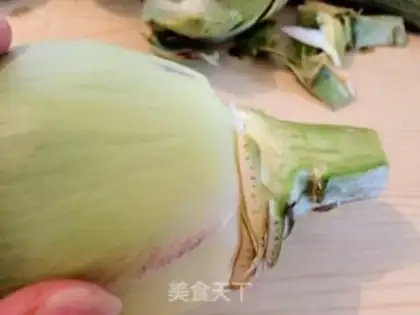
4
Peel off the top of the stem and the bottom of the remaining petals.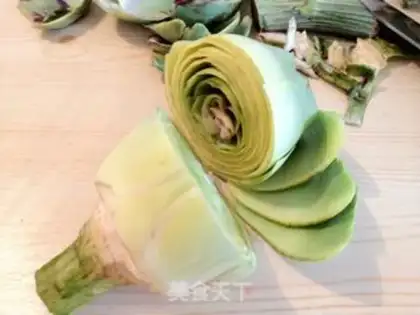
5
Cut off the inedible part of the top of the petals.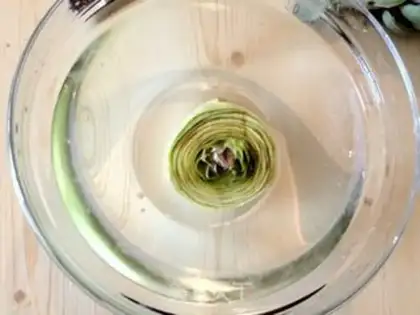
6
Soak in cold water with lemon juice added.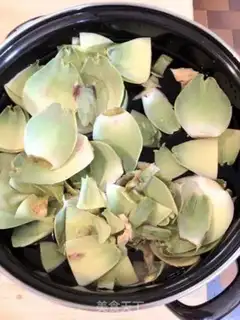
7
Wash the peeled petals.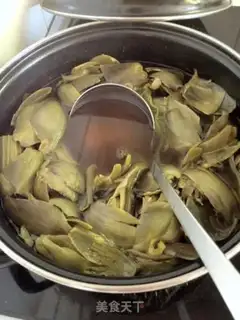
8
Place the petals from step 7 on the heat and cook until the petals are soft and strain out the original juice.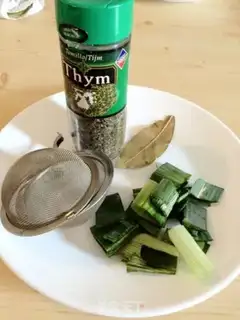
9
Prepare a tea strainer and cut thyme, a leaf of fragrant leaves, and leeks into small pieces.
10
Put thyme, fragrant leaves, and leeks into the tea filter.
11
Peel the carrot, onion and red onion separately and dice it.
12
Cut the sausage into small dices.
13
Add olive oil to the pan, add onions and red shallots and saute until fragrant.
14
Add the sausage and carrots and stir-fry slightly.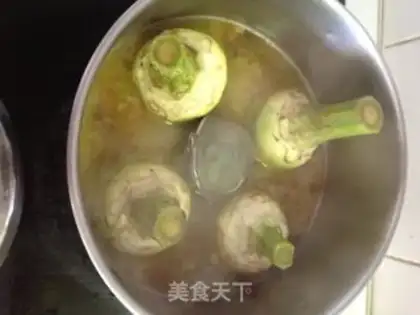
15
Add the cooked artichoke raw juice, salt, pepper and spiced tea strainer, place the flower stems face up in the pan, cover the lid and cook until the artichokes are soft, about 15 minutes.
16
Remove the artichokes and set on a plate.
17
Boil the soup until it thickens.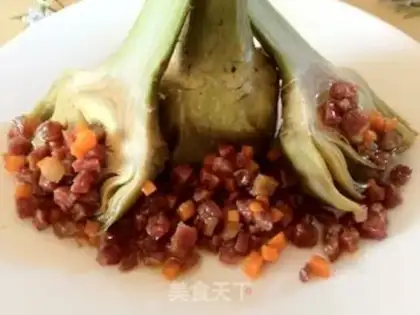
18
Pour it on the artichokes.Acacia artichoke Make Tips
1. If you use cans, the previous steps can be omitted. Just take out the artichokes and put them in water to wash them. 2. Peeled artichokes are easily oxidized and should be soaked in water immediately. Lemon juice helps slow down oxidation. Artichoke is relatively rich in nutritional value. Every 100 grams of edible artichoke contains 2.8 grams of protein, 0.2 grams of fat, 9.9 grams of carbohydrates, 160 international units of vitamin A, 10.06 mg of vitamin B2, 0.08 mg of vitamin B2, 11 mg of vitamin C, 51 mg of calcium, 69 mg of phosphorus, 1.1 mg of iron, 310 mg of potassium, etc. Artichoke helps lower cholesterol and uric acid in the blood, and has effects such as protecting liver and relieving alcohol. Eating artichoke is very beneficial for patients with high cholesterol, diabetes, atherosclerosis, chronic hepatitis, and jaundice. In addition, artichoke also contains ingredients that are beneficial to the human body such as cyclamin, flavonoids and asparagine. The buds of artichokes can be used to make aperitif, and canned and fresh artichokes are common on the market. If you buy canned food, it may taste a little sour, but it will be much better as long as you wash it with water repeatedly. Artichoke contains polyphenol compounds such as cyclamin, flavonoids, inulin and asparagine. It is a health vegetable with high nutrition. Regular consumption can protect liver and kidney and enhance liver detoxification. It has the effects of promoting amino acid metabolism and lowering cholesterol, treating indigestion, improving gastrointestinal function, preventing arteriosclerosis, and protecting cardiovascular blood vessels. A Japanese study as early as 1940 pointed out that artichoke can not only lower cholesterol, but also stimulate the liver to produce bile and help urinate; in the United States, artichoke is used as a health vegetable that can remove too much water from the human body and reduce blood lipids, cholesterol, etc., and has been developed into health products such as capsules, making it a new favorite. This time, I boiled the artichoke petals into juice and added it to the vegetables. I can also boiled the juice and drink it directly. The taste has the fragrance of green vegetables, slightly bitter in the mouth, and sweet aftertaste.