It is often seen on the Internet that the most common dish,"braised pork", has different production processes. It can be said to be diverse. When making, you can put everything into it. But recently, a netizen asked me,"How to make the most authentic braised pork? Can you recommend one?" In fact, I don't know who is authentic and who is not!
I thought for a long time, but it was difficult to answer his question. I decided to introduce to this friend a braised pork made by an old chef who had been a professional cook for many years years.
According to the old master at that time, it was an authentic northern braised pork, and I always made it according to this method every time. I just happened to be craving, so I can satisfy my cravings!
Since it was a more traditional method, I also learned it secretly at that time, and it may not be good, so let's call it "traditional braised pork"!
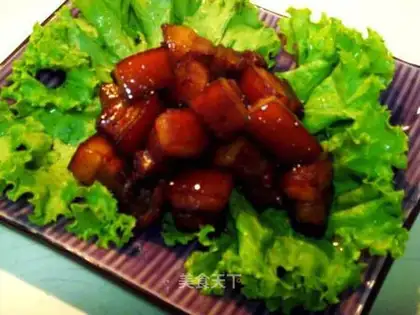
braised pork
By FrankSchmitt
Recipe Recommendations
- pork belly appropriate amount
- octagonal appropriate amount
- onion appropriate amount
- geranyl appropriate amount
- ginger slices appropriate amount
- white granulated sugar appropriate amount
- salt appropriate amount
- soy sauce appropriate amount
- yellow wine appropriate amount
- rock sugar appropriate amount
- peanut oil appropriate amount
- salty and sweet
- braised
- three-quarters of an hour
- ordinary
Steps for braised pork
1
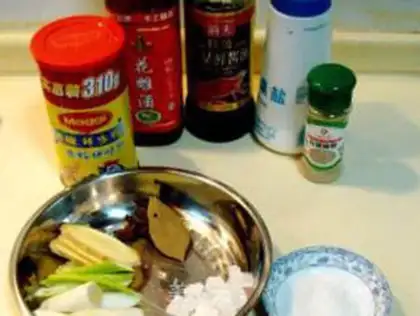
800 grams of pork belly, 15 grams of star anise, 1 piece of fragrant leaf, 50 grams of spring onion, 30 grams of ginger slices, 20 grams of white sugar, appropriate amount of salt, 25 grams of soy sauce, 30 grams of rice wine, 25 grams of rock sugar, and 15 grams of peanut oil.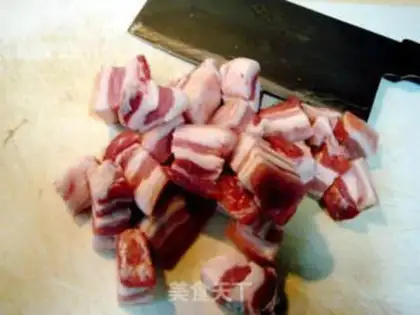
2
First cut the pork belly into 2.5 cm square pieces.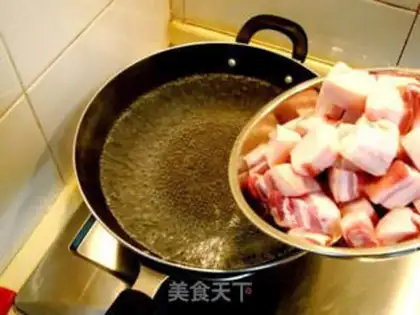
3
Pour into the pan with cold water.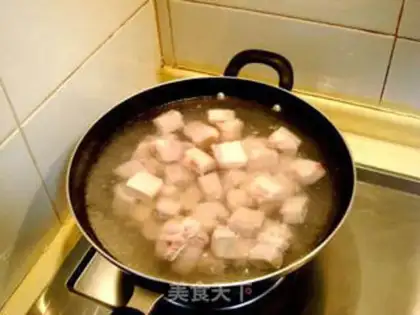
4
Cook the meat pieces for 5 minutes after the water is boiled.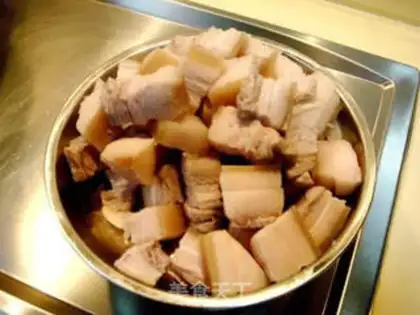
5
Remove and control the water for later use.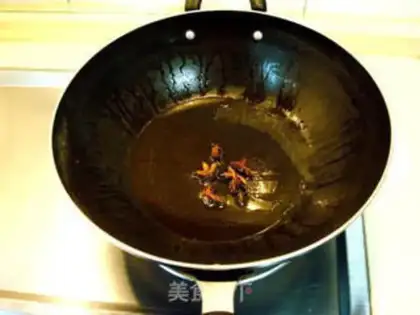
6
Add a little oil to the wok and stir the star anise.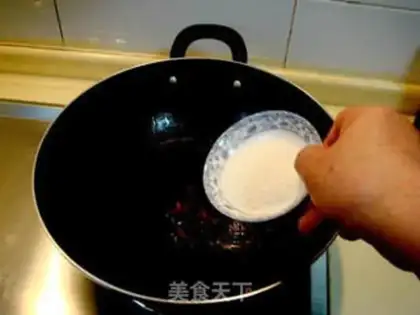
7
Pour in the fine sugar.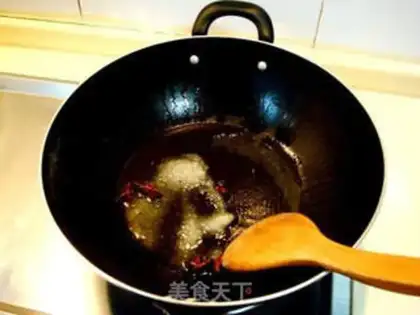
8
Stir fry sugar.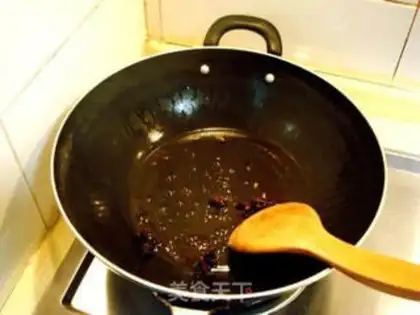
9
Stir fry until slightly yellow.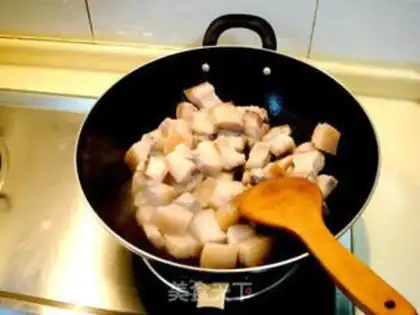
10
Melt the sugar thoroughly, stir-fry until it is slightly colored, add in the meat pieces and stir-fry, stir-fry the meat pieces until the water is dry, the color is bright and the surface is slightly yellow.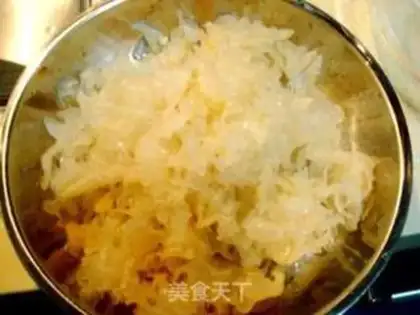
11
Then start to remove the oil and then cook the rice wine.
12
Pour in soy sauce and stir fry.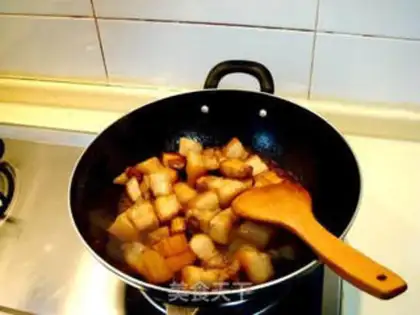
13
Stir fry until the rice wine evaporates and the soy sauce is evenly absorbed on the meat pieces.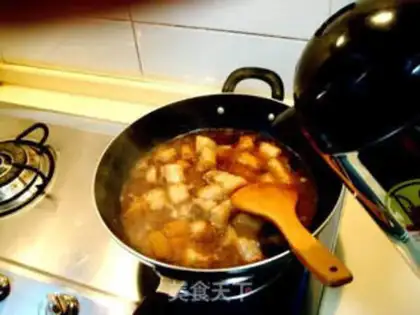
14
After stir-frying the meat well, add boiling water into the pan until the water is even with the meat pieces.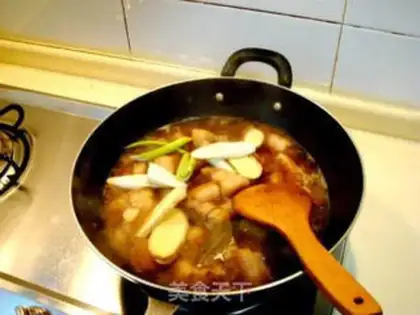
15
Then, add green onion segments, ginger slices, and fragrant leaves.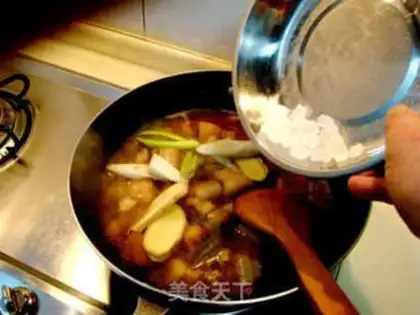
16
Finally add the rock sugar.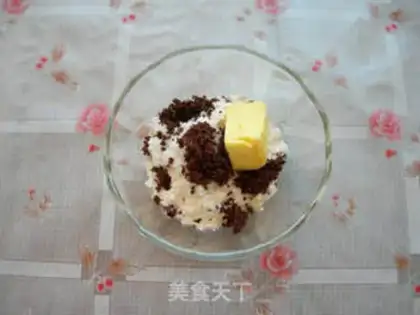
17
Cover the lid and simmer over low heat for 30-40 minutes.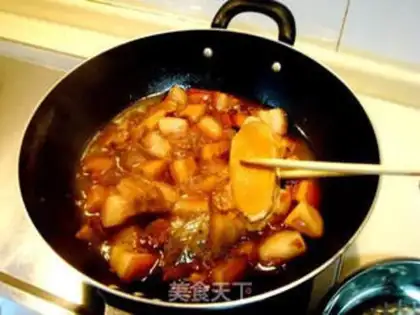
18
After the meat is stewed, pick out the onions, ginger, star anise, and fragrant leaves.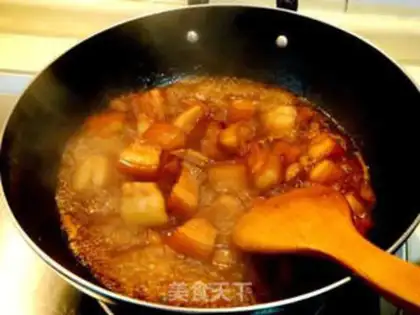
19
Add a little salt, and then use strong heat to harvest the juice.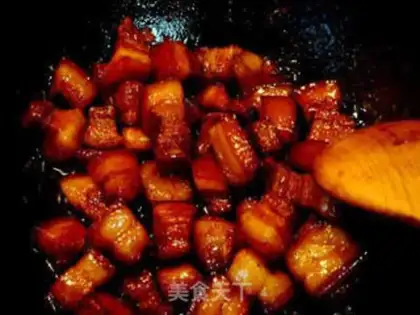
20
Remove the soup after it is cleaned.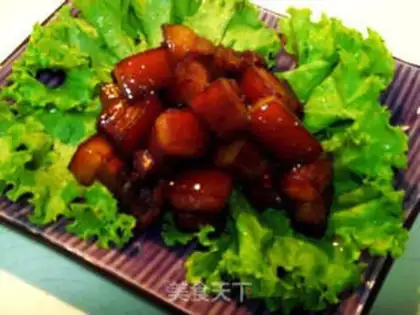
21
When harvesting the juice, you can decanter the excess oil and keep it for use. This oil tastes very fragrant and can be used for other purposes while frying.braised pork Make Tips
Characteristics of Braised Pork Belly: bright red color, rich aroma, tender and smooth texture, fatty but not greasy.
Friendly Tips:
1. When cutting the meat for Braised Pork Belly, do not cut the pieces too small. The meat will shrink by nearly half after cooking, so be sure to control the size of the chunks when cutting.
2. When blanching the meat to remove odors, place it in the pot with cold water; use boiling water when braising. Mastering this key point will result in fragrant meat; otherwise, the texture and taste will be poor.
3. Adding salt is optional; it is used to adjust the flavor. If it tastes too sweet, add slightly less salt. If the soy sauce is very salty, there is no need to add additional salt. The finished dish should taste salty with a hint of sweetness; being too sweet or too salty is not good.