Milk pork bun
By VicentaLakin
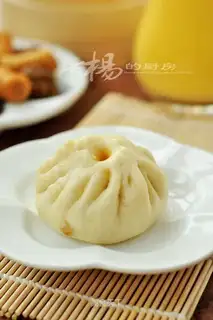
Recipe Recommendations
- milk 220g
- flour 500G
- pork 500 grams
- fungus 50 grams
- carrots a
- onion a
- Jiang a
- Angel dry yeast 2g
- soy sauce a tablespoon
- soy sauce half a tablespoon
- oyster sauce a tablespoon
- cooking wine two teaspoons
- sugar a teaspoon
- salt 2 teaspoons
- pepper 1.5 teaspoons
- spiced powder half a teaspoon
- chicken essence half a teaspoon
- edible oil a tablespoon
- salty and fresh
- steamed
- several hours
- ordinary
Steps for Milk pork bun
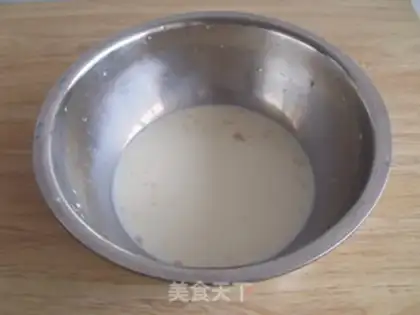
1
Add the milk and yeast and stir well.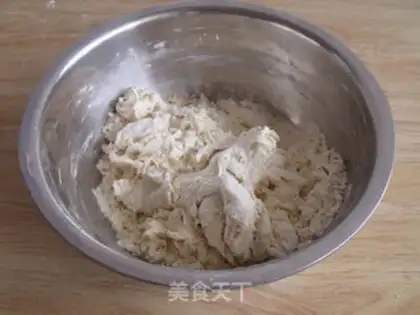
2
Pour in the flour and stir with chopsticks until it becomes dough.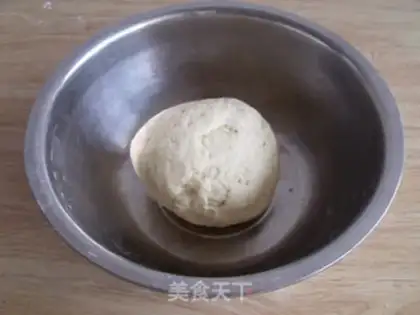
3
Knead the dough into a ball with your hands or a toaster, cover it with plastic wrap or a bowl, let it rest for 10 minutes, and then continue kneading.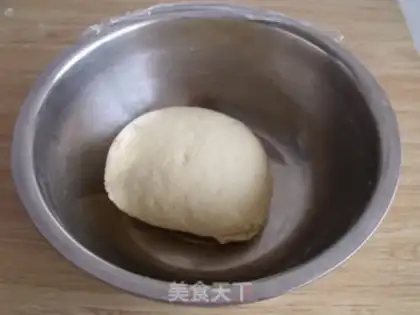
4
Kneaded smooth dough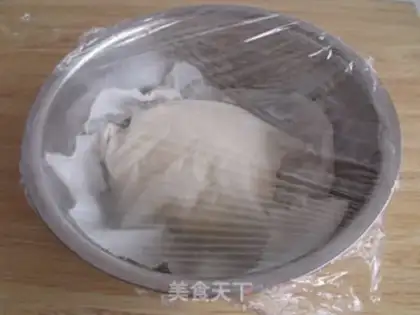
5
Cover with a damp cloth, wrap in plastic wrap, and ferment at room temperature until twice as large.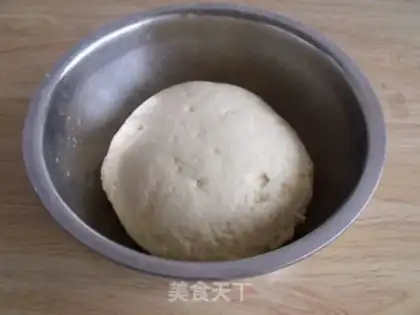
6
the fermented dough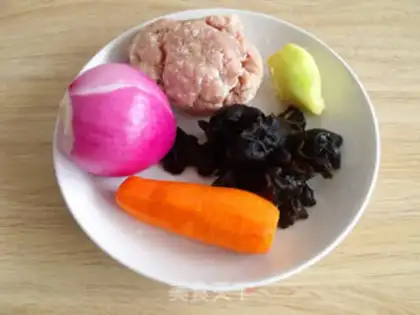
7
Chop meat paste and raw materials.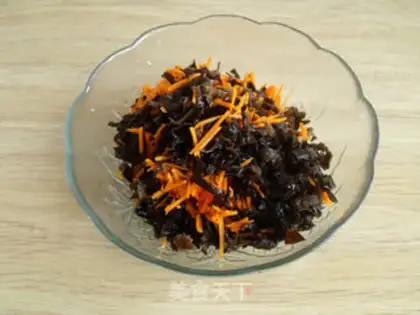
8
Soak the fungus and cut it into thin threads, rub the carrot into thin threads, put it together and chop it a few times, do not chop it.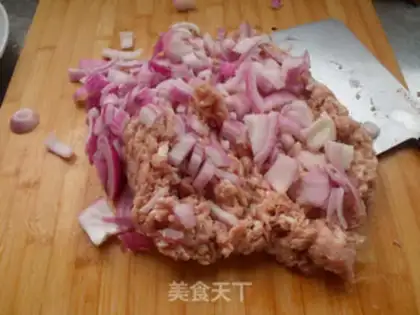
9
Chop the meat paste with minced ginger and onions.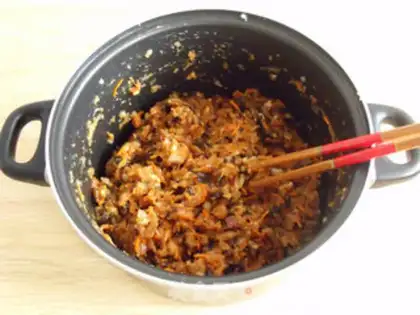
10
After mixing the fillings, add all the seasonings and stir vigorously.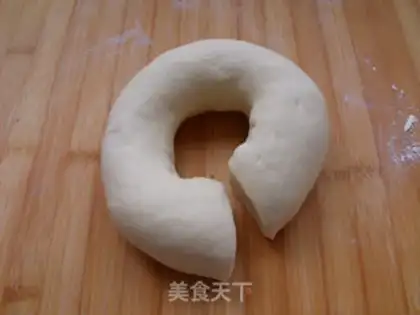
11
After the dough is leavened, put some dry flour on the plate, and knead the dough until it is smooth. Make holes in the middle and divide them into blocks.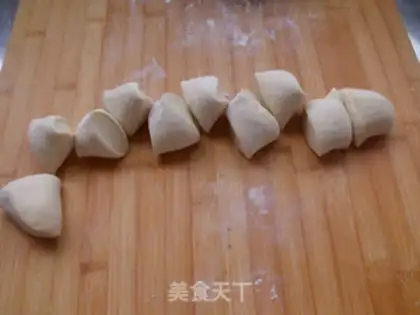
12
Cut into equal equal parts.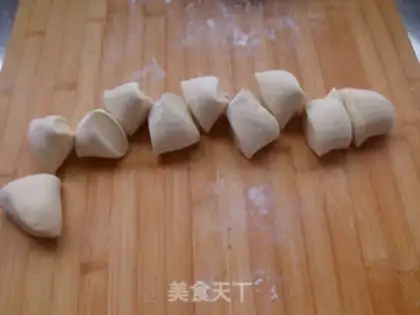
13
Cut into equal equal parts.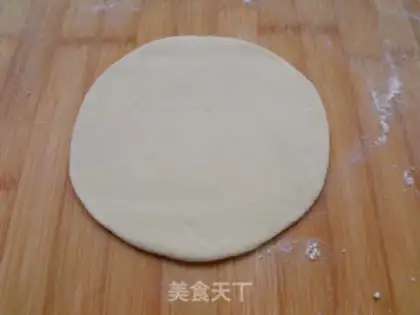
14
Roll it into sheets and press it with your hands. It is best to have a thick middle and thin sides.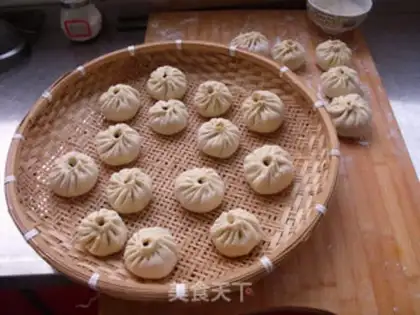
15
Wrap into steamed buns and ferment for 1 hour at room temperature.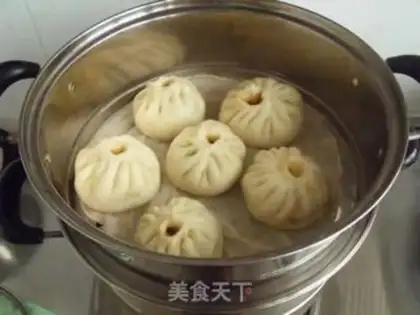
16
Pour boiling water into the pan, steam for 20-25 minutes, and open the lid for 5 minutes after ceasefire.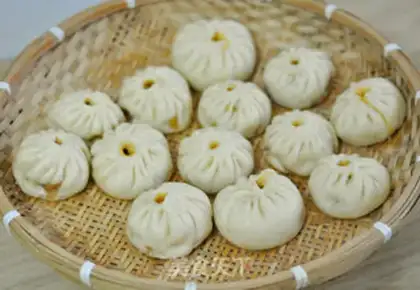
17
Out of the pot.Milk pork bun Make Tips
1. The dough of steamed buns should ferment a little longer than the steamed buns, and the yeast should be half a gram.
2. The dough dries easily when making steamed buns, so put the divided noodles in a fresh-keeping bag, use one by one, or cover them with a large bowl. The steamed buns and noodles will not dry at all.
3. Make steamed buns faster. Because the noodles ferment quickly.
4. The secondary fermentation of steamed buns is also very important. Make sure the fermentation is good.
2. The dough dries easily when making steamed buns, so put the divided noodles in a fresh-keeping bag, use one by one, or cover them with a large bowl. The steamed buns and noodles will not dry at all.
3. Make steamed buns faster. Because the noodles ferment quickly.
4. The secondary fermentation of steamed buns is also very important. Make sure the fermentation is good.