"Zhajiang Noodles" has a long history and is a famous delicacy in the Beijing-Tianjin area. Although Zhajiang Noodles is found all over the country, it is an indisputable fact that it is still the most authentic food in Beijing when traced back to its origin. Its birthplace is in the ancient city of Beijing!
"Zhajiang Noodles" is a traditional delicacy eaten by ordinary people in Beijing, and most old Beijingers love it.
Hand-rolled noodles with bean paste
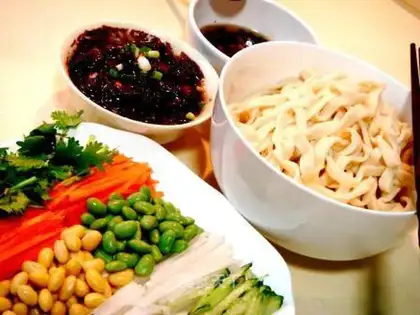
Recipe Recommendations
- flour 250 grams
- eggs 1 piece
- salt 1 grams
- qingshui appropriate amount
- dried yellow sauce 250 grams
- pork belly 250 grams
- peanut oil 50 grams
- yellow wine 20 grams
- octagonal 3 pieces
- ginger 20 grams
- green onion 30 grams
- minced garlic 20 grams
- chives 20 grams
- green beans 30 grams
- soybean 30 grams
- shredded carrots 50 grams
- coriander 20 grams
- garlic cloves appropriate amount
Steps for Hand-rolled noodles with bean paste
1
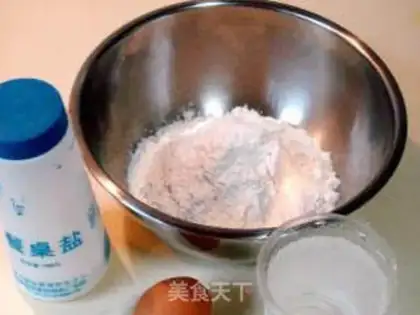
250 grams of flour, 1 egg, 1 gram of salt, and appropriate amount of water.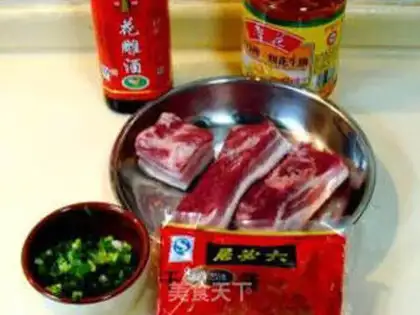
2
Liubiju has 250 grams of dried yellow sauce, 250 grams of high-quality diced pork belly, 50 grams of peanut oil, 20 grams of rice wine, 3 star anise, 20 grams of minced ginger, 30 grams of chopped green onion, 20 grams of minced garlic, 20 grams of chives, and 1000 grams of clear water.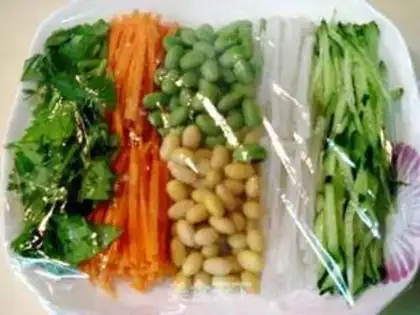
3
50 grams of shredded cucumber, 50 grams of shredded turquoise, 30 grams of green beans, 30 grams of soybeans, 50 grams of shredded carrot (or shredded shredded radish in the heart), 20 grams of coriander, and appropriate amount of garlic cloves.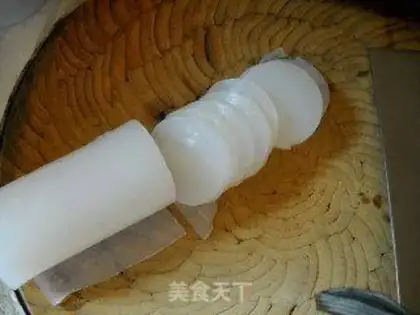
4
Put 1 gram of salt and 1 egg in the flour.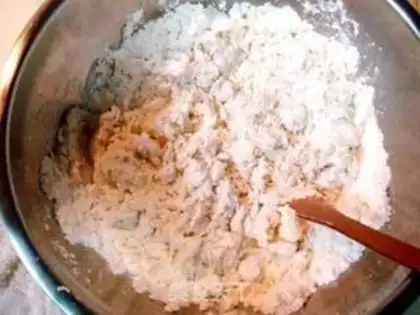
5
Use a small amount of water to stir the flour into a wet dough.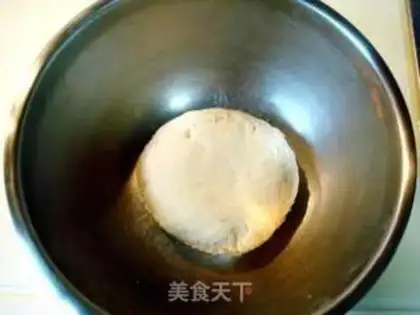
6
Then knead it with your hands into a hard dough.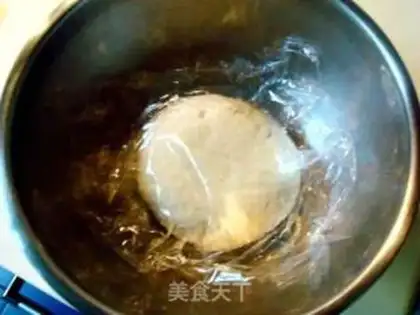
7
Cover with plastic wrap and relax for 30 minutes.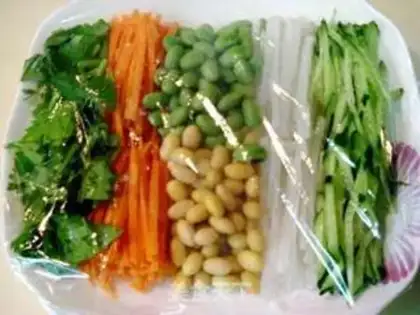
8
Cut the dough raw materials into thin threads, line all the dough raw materials into a plate, cover them with plastic wrap and place them in the refrigerator for later use.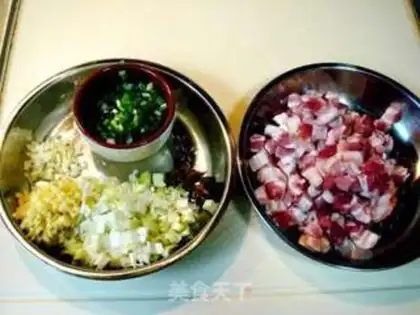
9
Cook green beans and soybeans in boiling water, cut ginger, garlic, and green onions into chopped green onions, and cut pork belly into dices the size of a little finger nail.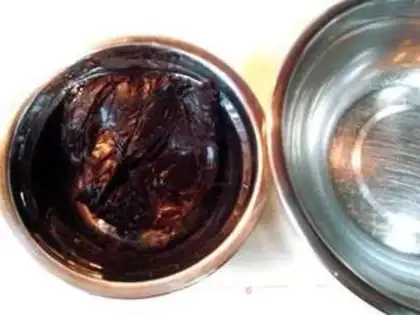
10
Add 30ml of water to the dried yellow sauce and prepare 1000ml of water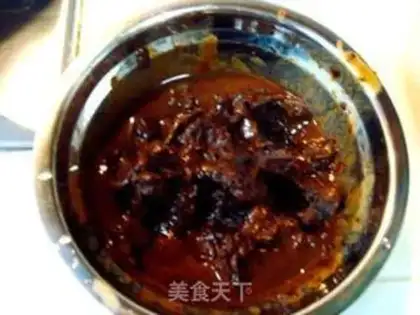
11
Stir for a while and set aside.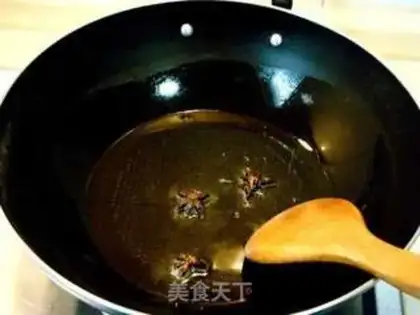
12
Heat a frying spoon on fire, add peanut oil and fry the star anise until fragrant.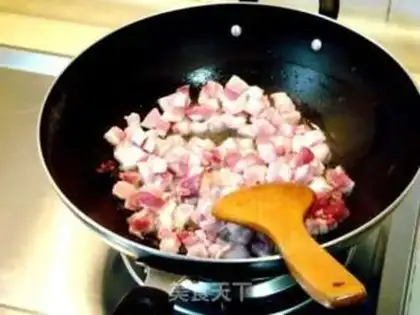
13
Add in diced pork belly and stir-fry.
14
Stir fry the diced pork belly until the color is bright, add minced garlic and stir until fragrant.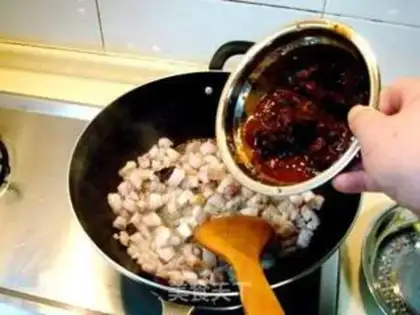
15
Then add in the dried yellow sauce and stir well.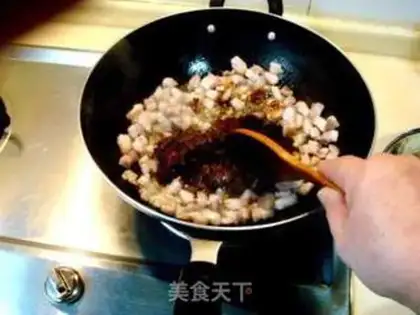
16
Dry fry the dried yellow sauce in oil for 5 minutes.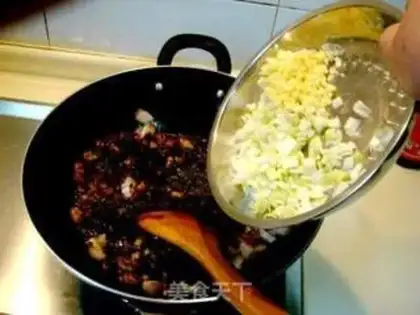
17
After frying until the sauce is fragrant, add green onions and ginger and stir-fry.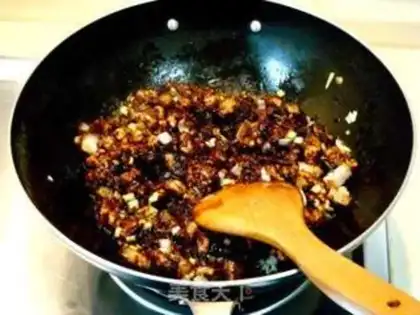
18
Then cook in the rice wine and stir well.
19
Pour in 1000ml of water and stir well to fully disperse the sauce.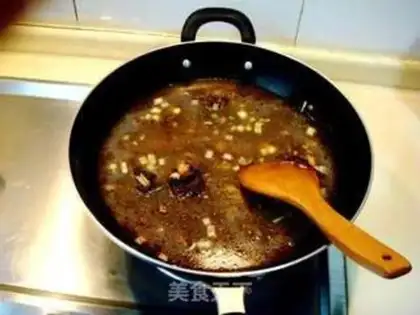
20
Pour water into the sauce and bring to a boil.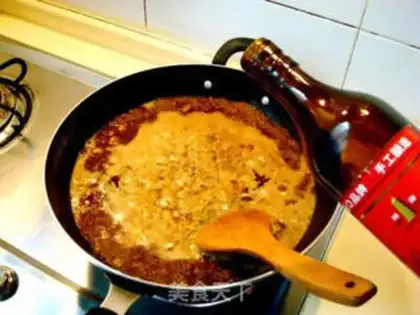
21
Pour in about 10 grams of rice wine and stir well.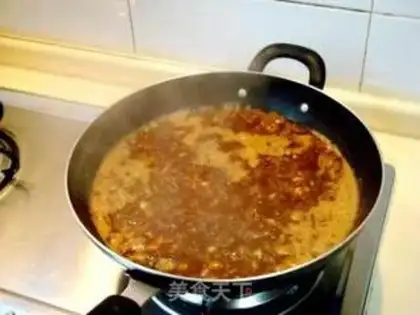
22
Then switch to a low fire.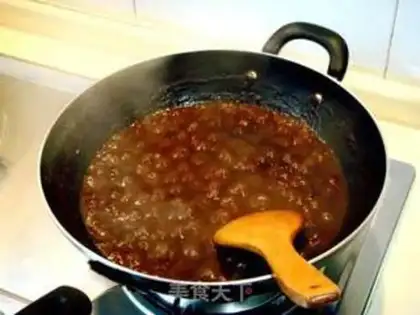
23
Slowly simmer the sauce over low heat.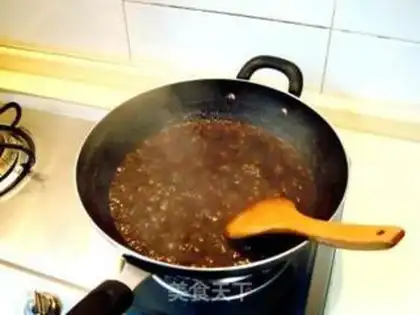
24
The sauce should be simmered for 30 minutes, and then the sauce should be collected over high heat.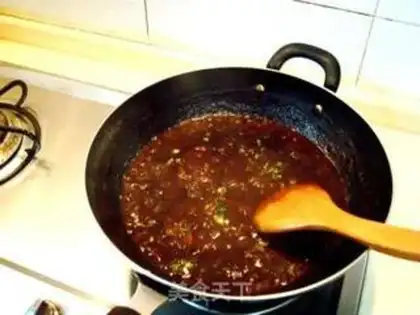
25
Just collect 60% of the soup, not too dry, then sprinkle with appropriate amount of chives and serve out.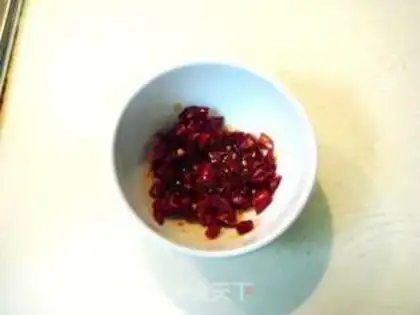
26
To make ingredients for noodle mixing, cut the dried peppers in a bowl with scissors, and stir in a little sesame oil.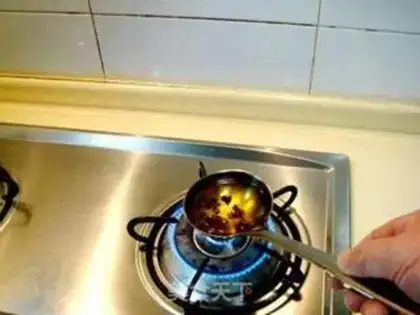
27
Put appropriate amount of peanut oil in a spoon and heat it over the heat.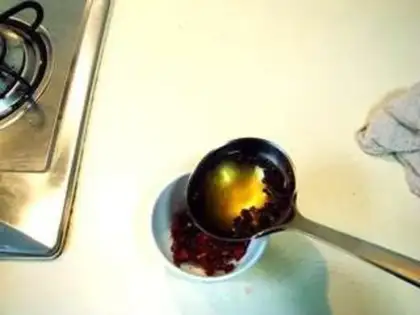
28
Add pepper and fry until fragrant.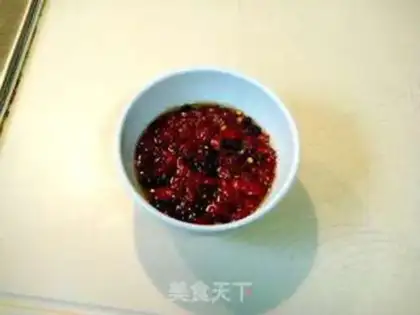
29
Then pour the pepper oil into a pepper bowl to heat the dried peppers and stir well.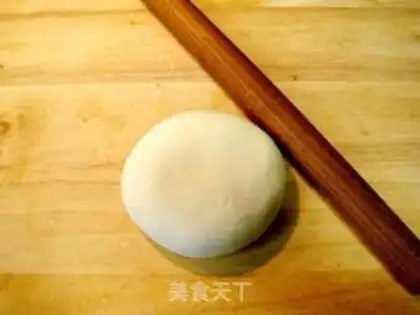
30
Remove the relaxed dough and knead it evenly on the chopping board.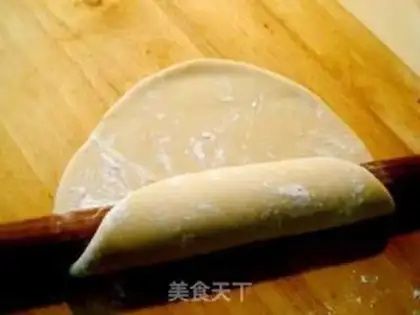
31
Use a rolling pin to roll it into an oval shape
32
Spread a layer of dry flour evenly on the dough sheet.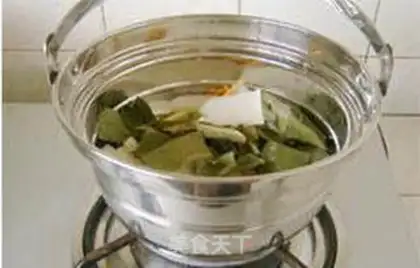
33
Then fold it neatly lengthwise.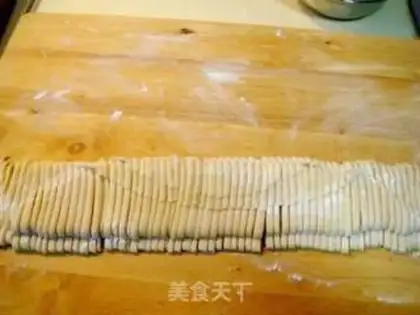
34
The thickness of the dough depends on the thickness of the dough. If you like to eat rough, you can roll the dough into a slightly thicker shape. After folding the dough sheet, use a knife to evenly cut into 3 mm-wide noodles.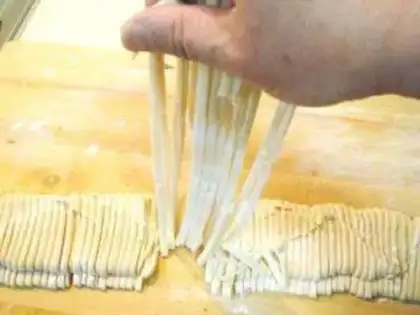
35
Then shake off the dry flour with your hands.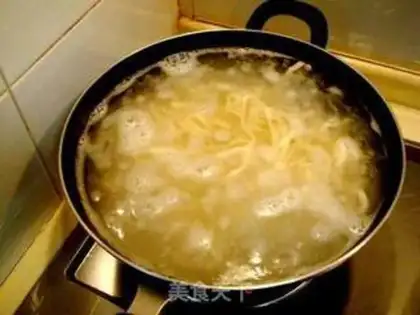
36
Bring the water in the pot to a boil, add in the cut noodles and stir with chopsticks, and bring to a boil over high heat.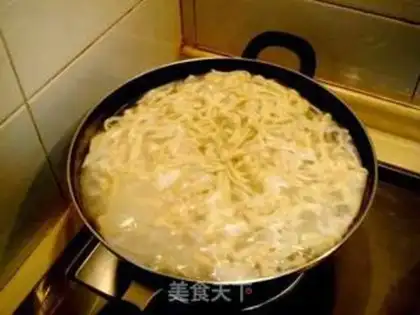
37
When the noodles surface to the surface, then reduce the heat and cook for 3 minutes.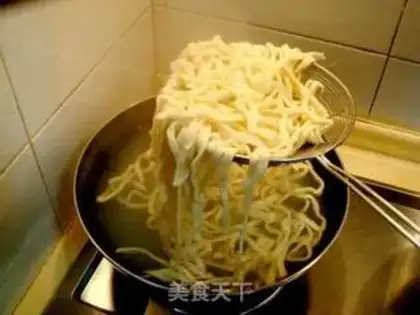
38
Remove it if it is too cold, and you can eat it directly when it is cold in winter.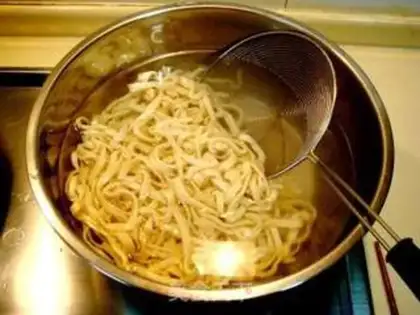
39
In summer, you can take it out and pour it over with cold boiled water.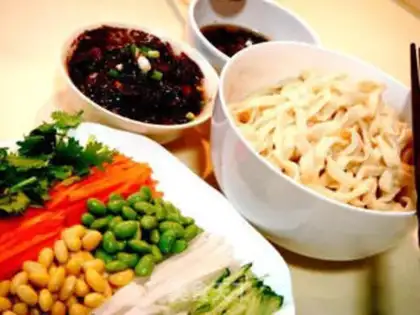
40
Serve the fried sauce, chili oil, noodles, garlic and noodles together. You can prepare the seasoning for the noodles according to your preference. If you are jealous, you can also pour some balsamic vinegar into the noodles and mix the noodles together.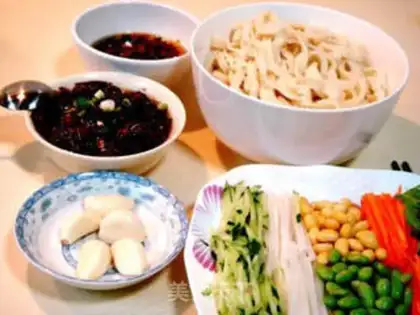
41
At this point, all operations are completed.Hand-rolled noodles with bean paste Make Tips
Features: Rich sauce aroma, smooth and flavorful texture, chewy noodles, diverse toppings, suitable for all seasons, and comprehensive nutrition.
Tips:
1. For the noodles, you can use hand-rolled noodles or make pulled noodles. When making pulled noodles, you do not need to add eggs; simply add 1 gram of salt and 0.5 grams of edible alkali when kneading the dough. The dough should be kneaded to be relatively soft. After kneading, let the dough rest for about 1 hour, then work the dough several times to ensure it does not break when being pulled.
2. The toppings can be paired freely according to the season; for example, Xinli Mei radish, green garlic, celery, bean sprouts, and hyacinth beans can all be used as toppings. This time, since Xinli Mei water radishes were not available in Beijing during the summer, I used shredded carrots as a substitute.
3. When making the fried sauce, you must use the frying method. The sauce must be fried until fragrant before adding water to simmer and reduce; otherwise, it cannot be called "Zha Jiang" (Fried Sauce). During the simmering stage, use low heat and slow-cook for a sufficient amount of time. When the sauce is finished, it should be bright red in color and rich in sauce aroma. It only meets the standard when the meat is tender and the sauce is fragrant; that is the authentic way to make Old Beijing Fried Sauce Noodles.