Homemade wine brews
By VicentaLakin

Recipe Recommendations
- glutinous rice two pounds
- distiller's grains meatballs appropriate amount
- sweetening
- other
- a day
- ordinary
Steps for Homemade wine brews
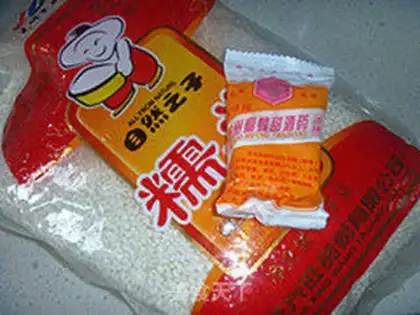
1
Raw materials。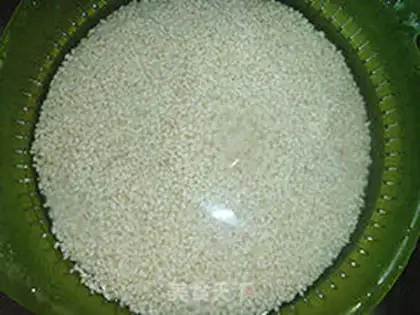
2
The rice bubbles early overnight。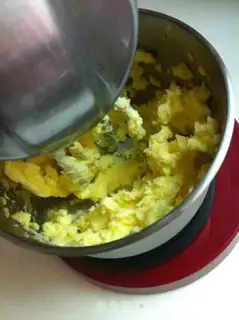
3
Soak and dry。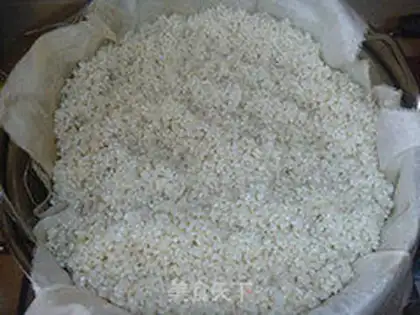
4
The steam pan is coated with gauze, poured into the rice, covered with a cap, and the fire evaporates for 20 minutes, during which time the hard and soft of the rice can be tried, and if it does not feel sufficient time to do so, the proper amount of cold and boiling water can be added to the fire。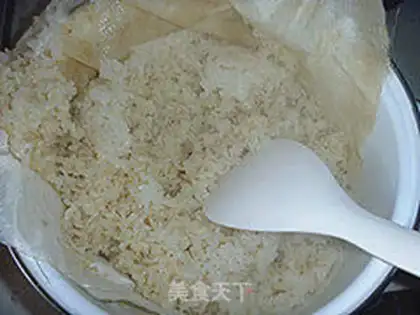
5
Steamed rice is poured into oilless, waterless pots。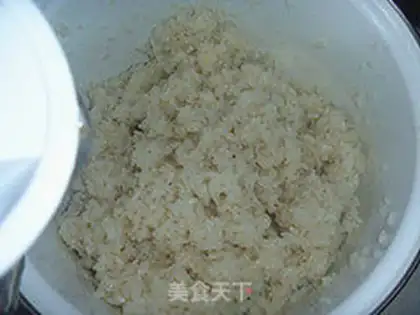
6
We're going to get a proper cold water。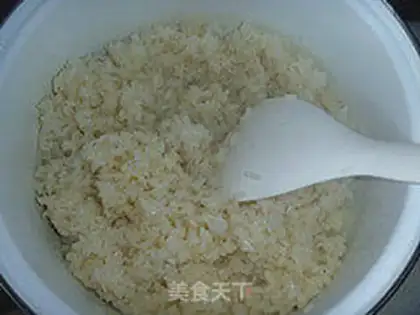
7
Be fully modulated and cooled to about 30 degrees。
8
Wineballs are powdered。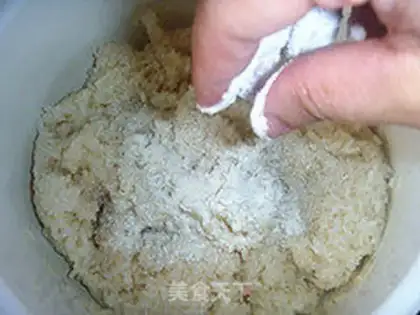
9
Take two thirds of the wine powder and pour it into rice。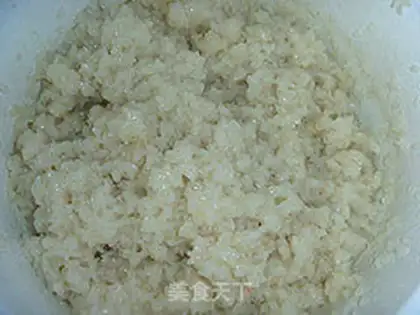
10
Full and even mix。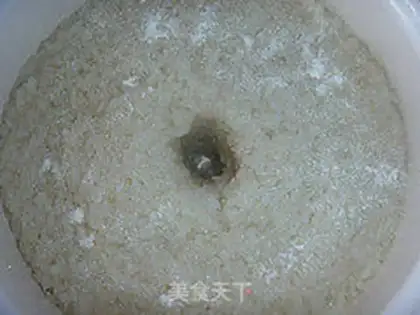
11
The rice is crushed with a spoon back, a third of the remaining wine powder is spilled on the surface, and a small hole is pressed with chopsticks in the middle to make it easier to drink. Put it in a warm place to ferment。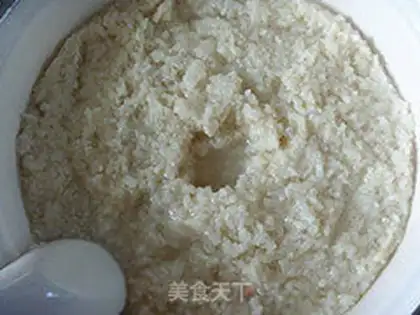
12
A fermented wine brews the smell of wine and seeps the rice wine。Homemade wine brews Make Tips
1. Generally, steam about one kilogram (two catties) of glutinous rice for around 20 minutes. If the rice grains seem undercooked, add a moderate amount of cold boiled water and continue steaming on high heat until soft. If the fermented rice is to be eaten cold, the glutinous rice should be steamed until very soft and mushy. If it is to be eaten hot, the steaming time can be appropriately reduced; it just needs to be fully cooked, not necessarily mushy.
2. It is best to add the yeast balls to the rice when it is around 30°C for fermentation. If the temperature is too high, it will easily turn sour and the yeast may die; if the temperature is too low, fermentation will not take place.
3. The pot used for making fermented rice must be dry and free of oil and water. The water used must be cold boiled water, not raw water; otherwise, the fermented rice will easily mold.
4. Adding cold boiled water to the steamed rice serves two purposes: first, to lower the temperature, and second, because the steamed rice is very sticky, making it difficult to mix the fermentation powder evenly. Therefore, water needs to be added to dilute the mixture for easier stirring.
5. Since it is summer and the temperature is relatively high, the prepared fermented rice needs to be placed in a shaded area. Generally, fermenting at around 30°C for one night is sufficient. If fermented for too long, it will easily turn sour, the alcohol flavor will be too strong, and the surface of the rice will easily "scorch" (turn yellow). After fermentation is complete, store it in the refrigerator; this stops fermentation by lowering the temperature and also helps with preservation.
6. Do not make too much fermented rice at once; make it as needed to ensure a better taste and freshness.
7. If the fermented rice has too strong an alcohol taste or is overly sweet, you can add an appropriate amount of cold boiled water when eating.
8. Even if prepared correctly, fermented rice may sometimes develop fuzz on the surface. If it is a transparent fuzz, it is generally caused by the fermentation bacteria in the yeast powder; simply remove the fuzzy part, and it can be consumed. If it appears as spots and is black, it cannot be eaten. Therefore, this requires close attention.