Microwave candy chestnuts
By VicentaLakin
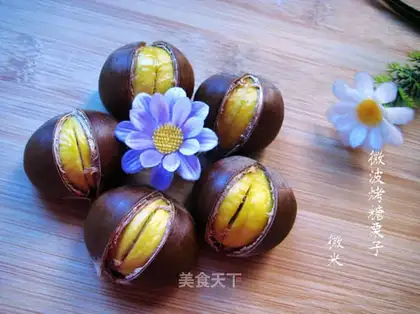
AS THEY SAY, THE PEAR DATES OF AUGUST, THE MOUNTAINS OF SEPTEMBER, AND THE SMILES OF OCTOBER. ALTHOUGH NOT YET IN OCTOBER, CHESTNUTS ARE NOW ON THE MARKET, WHICH NOT ONLY TASTES GOOD BUT ALSO HAS A THERAPEUTIC EFFECT ON THE DIET, WHICH CAN PROVIDE A HEALTHY SPLEEN OF THE STOMACH, RENAL STRENGTH AND STOP BLEEDING, BUT ALSO BECAUSE THEY CONTAIN A LARGE AMOUNT OF CARBOHYDRATES AND VARIOUS COMPONENTS SUCH AS CALCIUM, PHOSPHORUS, IRON AND POTASSIUM, AS WELL AS AN INORGANIC SALT AND CARROTS AND B VITAMINS, IT IS ALSO VERY GOOD TO MAKE FOOD FOR PEACEFUL SNACKS。
Recipe Recommendations
- chestnut appropriate amount
- white sugar appropriate amount
- warm water appropriate amount
- sweetening
- burn
- ten minutes
- simple
Steps for Microwave candy chestnuts
1
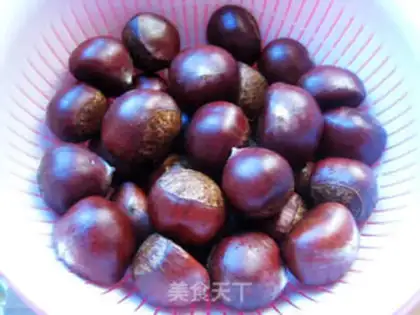
Chestnuts wash white wool on the surface and dry water with kitchen cloth。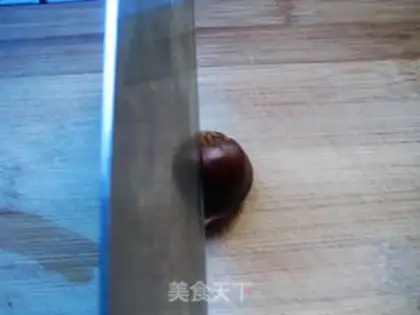
2
Put the chestnut side on the board and cut it with a knife。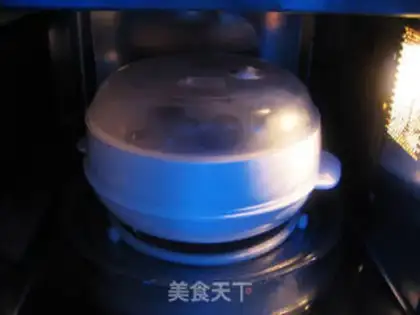
3
The chestnuts are placed in a microwave steam cage and baked with a high fire for three minutes (select the equipment to enter the microwave。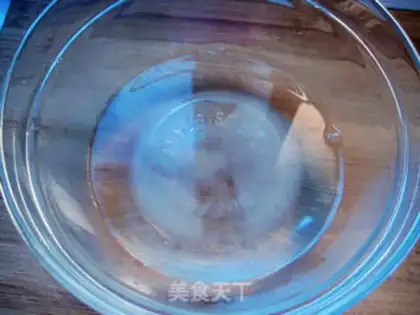
4
Melting sugar into warm water。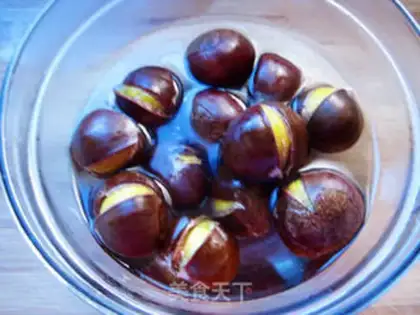
5
Baked chestnuts are immersed in sugar water for 10-20 minutes (more deliciously longer immersion)。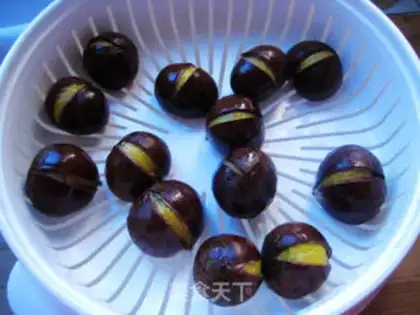
6
Pick up the chestnuts, put them in the microwave steam cage again, and roast them three minutes high。Microwave candy chestnuts Make Tips
How to choose good chestnuts?
Look at the color. Some raw chestnuts look bright on the surface and have a deep color like chocolate. You must not buy such chestnuts. They are aged. New chestnuts are the ones with a lighter color (like coffee with extra partners) and the surface seems to be covered with a thin layer of powder.
Second, look at the fluff. Everyone knows that the tail of chestnuts has a lot of fluff. The surface is bright. The hair on the aged chestnuts is generally less, only a little bit at the tip of the tail. The tail of new chestnuts generally has more fluff.
Third, there are no insect eyes on the surface.
Let's look at the head. There is a Japanese chestnut that is very big and gratifying, but this chestnut has a lot of moisture, little sweetness, and a high yield. Its taste is not as sweet as domestic varieties. The second is a common medium-sized variety that is common to everyone, with some differences depending on the taste of the place of origin. The third one is not common and is very small, but this one is usually mountain chestnuts. It is a real green food with a sweet taste.
5 Look at the shape. Common chestnuts are roughly divided into two shapes. The first one has round side and flat side; the second one has flat sides. When choosing, choose the first one if you want to be sweet, and choose the second one if you want to be sweet. The reason is very simple. Analyze from the growth state of chestnuts: several chestnuts are wrapped together in green prickly shells on the tree. The chestnuts close to the shells all have a round side. The ones sandwiched in the middle will of course be flat. The sides are flat, and the closer the chestnuts are to the shells, the easier they are to receive sunlight. The sugar content of many fruits is also closely related to the sunshine duration. This is why the chestnuts on the outer layer are sweeter than the chestnuts on the inner side.
If the purchased raw chestnuts are not eaten at that time, it is best to place them in a mesh bag or sieve and place them in a cool and ventilated place.
Look at the color. Some raw chestnuts look bright on the surface and have a deep color like chocolate. You must not buy such chestnuts. They are aged. New chestnuts are the ones with a lighter color (like coffee with extra partners) and the surface seems to be covered with a thin layer of powder.
Second, look at the fluff. Everyone knows that the tail of chestnuts has a lot of fluff. The surface is bright. The hair on the aged chestnuts is generally less, only a little bit at the tip of the tail. The tail of new chestnuts generally has more fluff.
Third, there are no insect eyes on the surface.
Let's look at the head. There is a Japanese chestnut that is very big and gratifying, but this chestnut has a lot of moisture, little sweetness, and a high yield. Its taste is not as sweet as domestic varieties. The second is a common medium-sized variety that is common to everyone, with some differences depending on the taste of the place of origin. The third one is not common and is very small, but this one is usually mountain chestnuts. It is a real green food with a sweet taste.
5 Look at the shape. Common chestnuts are roughly divided into two shapes. The first one has round side and flat side; the second one has flat sides. When choosing, choose the first one if you want to be sweet, and choose the second one if you want to be sweet. The reason is very simple. Analyze from the growth state of chestnuts: several chestnuts are wrapped together in green prickly shells on the tree. The chestnuts close to the shells all have a round side. The ones sandwiched in the middle will of course be flat. The sides are flat, and the closer the chestnuts are to the shells, the easier they are to receive sunlight. The sugar content of many fruits is also closely related to the sunshine duration. This is why the chestnuts on the outer layer are sweeter than the chestnuts on the inner side.
If the purchased raw chestnuts are not eaten at that time, it is best to place them in a mesh bag or sieve and place them in a cool and ventilated place.