Korean beef string
By VicentaLakin
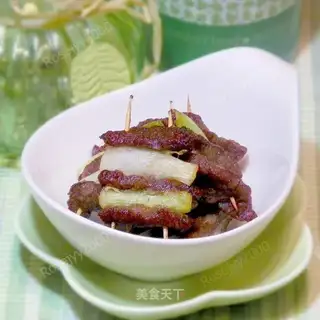
It's not half an hour to buy a series of "The Foods of the Sky" that is deeply attracted to its images and graphics, and it's fun to learn from little knowledge, vegetables and know-how and sometimes to do food experiments。
Recipe Recommendations
- beef
- onion plurality of
- toothpick
- garlic appropriate amount
- soy sauce appropriate amount
- sugar appropriate amount
- cooking wine appropriate amount
- pepper appropriate amount
- sesame oil appropriate amount
- corn starch appropriate amount
- pork flour appropriate amount
Steps for Korean beef string
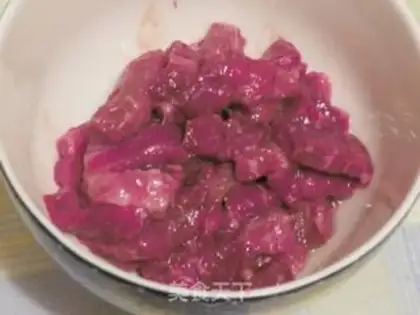
1
Cutting beef into strips of about 4 centimetres long, with rough tails, in the bowls, with old smokes, sugar, wine, poaching of meat to the glue, a large spoon of water, and when the meat is fully absorbed into the water, together with water starch and soy oil, and smoothing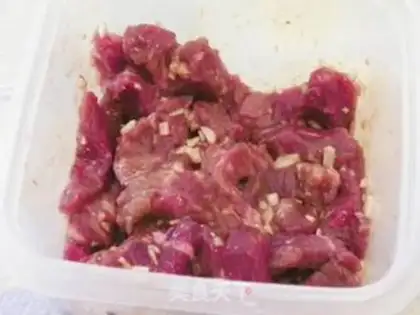
2
Put it in a secret box, chop up some garlic, grab it, put a lid on it for about two hours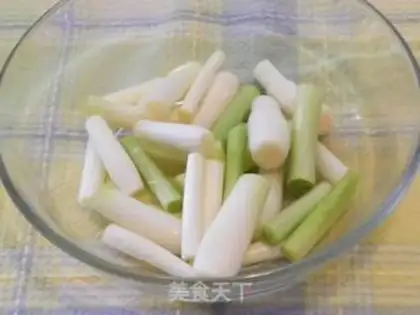
3
Tearing the white part of the surface to the 2-3 layer, twirling, sliced and lengthd with beef bars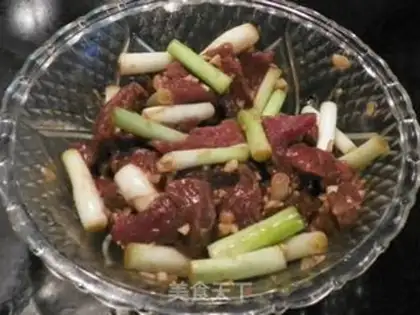
4
Put it in a beef bowl, with a large spoon, evenly scratched hand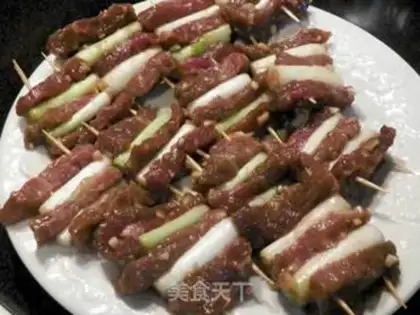
5
With toothpicks on beef, two pairs of toothpicks, first on both ends of meat, then onions, and about three pieces of meat in a single string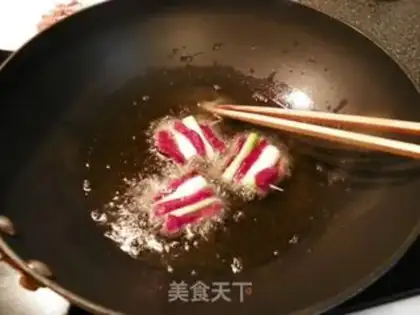
6
It's in the pot. It's a slow fire. The fear is not good enough to make a bowl of juice from garlic, raw smoke, pepper powder, sugar, vinegar, starch, soy sauce, which boils in the bowl until bubbles are sprouts to make it。Korean beef string Make Tips
1. Do not add light soy sauce when marinating the beef, as the next step involves marinating with the scallion whites; adding it now would make it too salty.
2. Thread the meat first, then the scallion whites, because the scallion whites become soft when cooked and can easily fall off during the frying or pan-frying process.
3. I personally prefer shallow frying, as I feel the heat distribution is more even than pan-frying. Also, the oil should not be too hot; medium-low heat is sufficient.
4. Generally, we use scallions as an ingredient and rarely eat them on their own. Using the tender parts of the scallion whites gives them a sweet taste after roasting, allowing you to slowly savor the flavor of the scallion.