What's that
By VicentaLakin
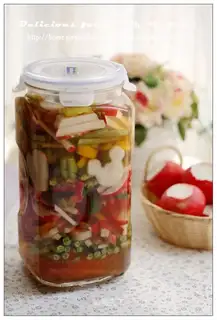
PICKLES OCCUPY A UNIQUE POSITION IN THE HEARTS OF CHINESE, AND ALMOST NO ONE HAS EVER EATEN THEM. IN SICHUAN RESTAURANTS, THE APPETIZERS ARE USUALLY PICKLES. IN RESTAURANTS, PICKLES CAN BE ORDERED, WHICH MEANS IF YOU EAT, THE BOSS WON'T BE MEAN. SICHUAN PEOPLE DON'T USUALLY EAT PICKLES DIRECTLY, THEY CUT THEM IN THE RIGHT SHAPE, PUT A LITTLE SESAME OIL ON THEM, PUT A LITTLE CHICKEN AND A LITTLE PEPPER OIL. OUR FAMILY HAS PICKLES FOR EVERY MEAL, AND MOM'S PICKLES ARE VERY GOOD, AND I'M TOO FAR AWAY FROM THEM, AND THEIR GENERATION SEEMS TO BE MAKING PICKLES FROM EXPERIENCE, CALLING MOM FOR HALF A DAY AND ASKING ME IF I WANT ANSWERS, MAKING PICKLES OR WANTING A PERCENTAGE, ESPECIALLY WATER AND SALT, AND THEN SEARCHING ONLINE TO TRY THIS FORMULA. THE FORMULA IS SEEN IN THE DOG'S TAIL WEED, AND HIS FORMULA COMES FROM THE BETTE KITCHEN. TODAY, PICKLES ARE MADE WITH ORDINARY GLASS BUTTONS, FEARING THAT PICKLES CAN NOT BE FERMENTED IN COMPLETELY SEALED CONTAINERS, A CONSULTATION WAS DISTRIBUTED A FEW DAYS AGO, ASKING IF THEY CAN MAKE PICKLES WITH A REGULAR GLASS BUTTON. THANK YOU VERY MUCH FOR YOUR RESPONSE. TX OF THE TRIPLES REPLIED THAT A PICKLE BOTTLE WOULD BE ENOUGH TO OPEN UP THE GAS EVERY DAY, SO THAT THE GLASS BUTTON COULD BE USED。
Recipe Recommendations
- red radish appropriate amount
- white radish appropriate amount
- cowpea appropriate amount
- celery appropriate amount
- green pepper appropriate amount
- red pepper appropriate amount
- yellow pepper appropriate amount
- Jiang 1 block
- octagonal of 2
- grass fruit one
- pepper of 30
- Zanthoxylum japonica of 6
- white sugar 15 grams
- salt 30 grams
- liquor 15ML
- wild mountain Pepper appropriate amount
- qingshui 2000 grams
- salty and fresh
- skills
- several hours
- simple
Steps for What's that
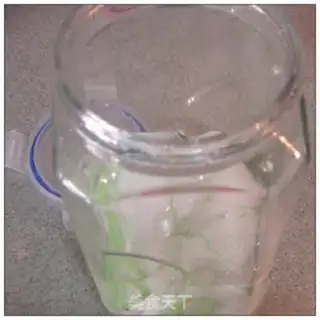
1
The first bottle I bought was to be cleaned, and I picked a new dishwasher to protect from oil. I washed the bottle and the rest with fresh water。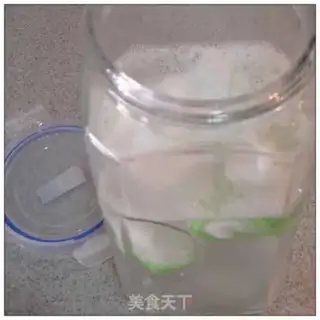
2
Add hot water and detergent, then wash, then wash, then wash。
3
I usually wash my own new utensils, and then boil them with open water, but because this time it's pickles, it feels good to see the dog's tail straw, and then it's just a little white wine in a clean container, so the wine rolls around。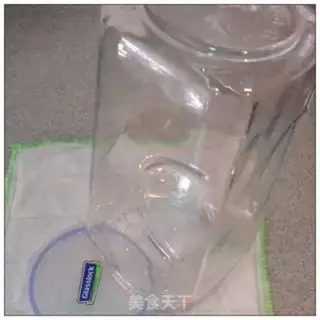
4
No more cleaning, reverse the bottle, dry it。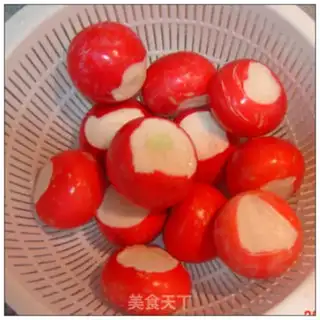
5
Clean up the veggies you want to pick up. This red radish has never been bought before. It's cute。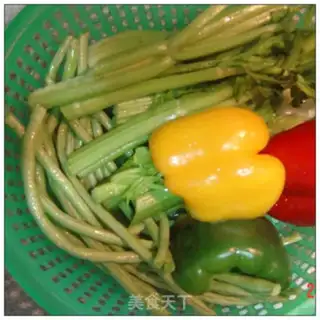
6
Wash other vegetables。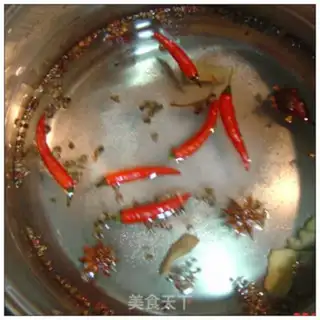
7
While we're drying the vegetables, let's prepare salt water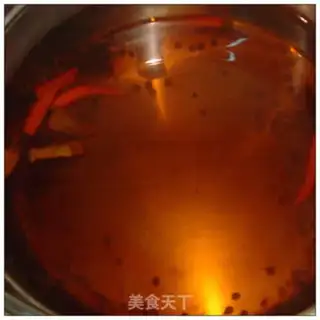
8
The fire opened, the fire continued to boil for 10 minutes, and the scent came out, and the process was similar to making duck eggs。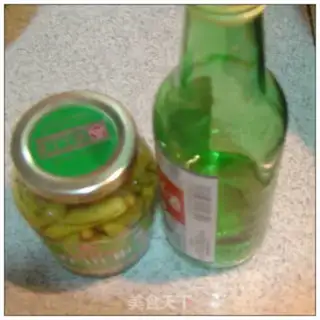
9
Turn off the fire, and dry out the boiled salt, and add white wine and wild pepper, and pour some wild pepper。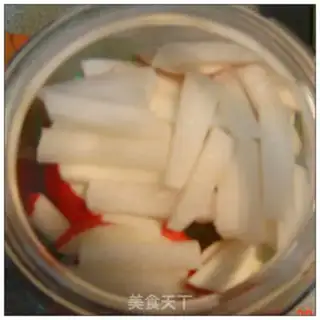
10
Cut completely dry vegetables into their preferred size and then put them in containers, not too full。
11
No, no, no, no, no, no, no, no, no。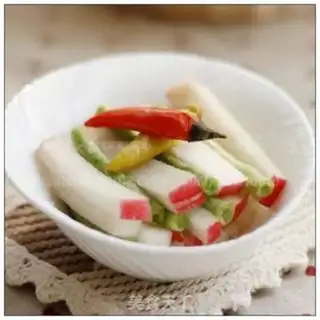
12
The container covers, placed in the lard, and ordinary radish celery is available for about two days, and it's good if it's too heavy to make other dishes。What's that Make Tips
Ingredients: Red-skinned radish, white radish, cowpeas, celery, green pepper, red pepper, yellow pepper.
Seasonings: 1 piece of ginger, 2 star anise, 1 black cardamom (Tsaoko), 30 Sichuan peppercorns, 6 bird's eye chili peppers, 15g white sugar, 30g salt, 15ml white liquor, an appropriate amount of pickled wild peppers.
The original recipe called for 6 small spicy chilies. I couldn't buy them and originally planned to substitute them with regular dried chili peppers, but I saw bird's eye chili peppers at the supermarket; they looked quite pretty, so I used those instead. This is my first time using this recipe. Before using it, I felt the amount of salt was very low, but since I hadn't made it before myself, I still followed this recipe strictly. Today, I took out some radish to try it and felt the taste was a bit bland. However, it has only been soaking for a day and is a fresh batch, so I don't know if the taste will get better after soaking for a longer time. Later, I added some chicken essence and sesame oil to the radish, and it tasted quite good.
Tips:
1. The entire process of making pickles must be oil-free and free of raw water, so that bacteria do not enter the pickle brine and cause it to spoil.
2. The vegetables to be pickled must be air-dried. If you feel there is still some moisture when putting them into the pickle jar, you can wipe them dry with kitchen paper.
3. Newly made brine generally does not taste good, so add a little pickled wild pepper to make it flavorful faster.
4. When young ginger is available, add some in; the taste will be even better.
Pickles are delicious, but many people also worry about nitrites. I checked online, and the general answer is as follows: The nitrite content in pickles is not very high within the first two days of pickling; it only reaches its peak between the 4th and 8th day. It starts to decline after the 9th day and basically disappears after 20 days. Therefore, it is best to eat the pickled vegetables within two days or after a month.
The previous part was the content of a diary entry, written when the pickles had just been made for a day. Now, posting the recipe, let me summarize my feelings again. Now I generally soak a few slices of cabbage every day. These days, whenever I add new vegetables, I add a little more salt, probably just a few grams. I soak them for 1 or 2 days and then take them out to eat. When eating, I add some chicken essence, sesame oil, and chili oil; the taste is very good. After a longer time, it is indeed better than when it was just soaked.