Clear soup clams
By VicentaLakin
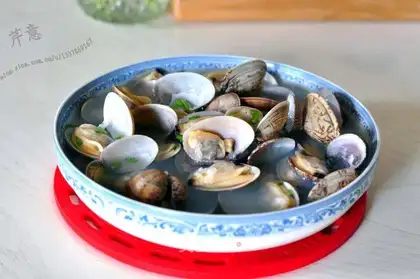
Qingdao's Bay is full of flowers and clams, and it's thick and tasteful, and there's hardly any sand. There are lots of clams, but the Aoshima people don't like hot sauce, they don't like hot sauce, and they like fresh water and soup。
Recipe Recommendations
- flower buds 600g
- fresh kelp Subparagraph 1
- coriander stem appropriate amount
- salty and fresh
- cook
- ten minutes
- simple
Steps for Clear soup clams
1
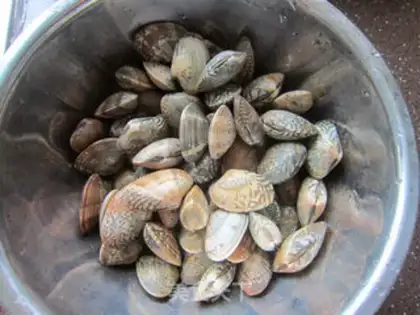
(a) Toads and clams to empty the mud and wash them back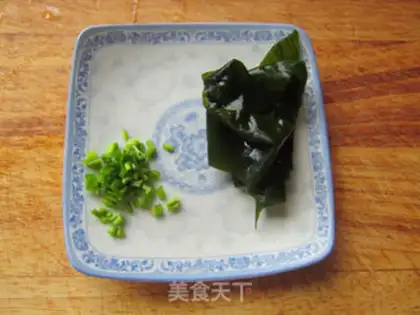
2
Fresh sea belts are washed, and fragrance leaves are removed from the leaves and cut-off spares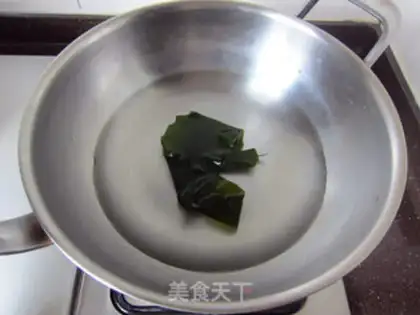
3
(a) The pot shall be filled with adequate water and sea belts and the small fire shall be slowly boiled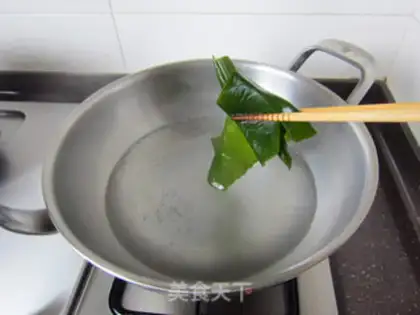
4
So that when the boiling boils, the sea belt is taken out of use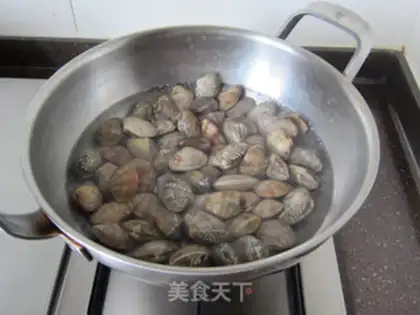
5
Until when the water boils, a blazing fire is opened, and the clams enter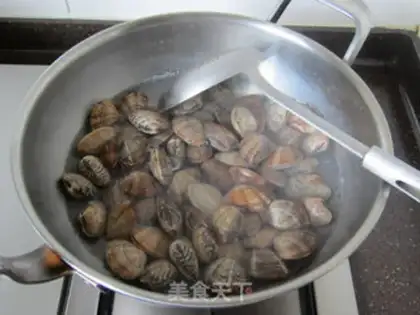
6
A few twists to keep the clams even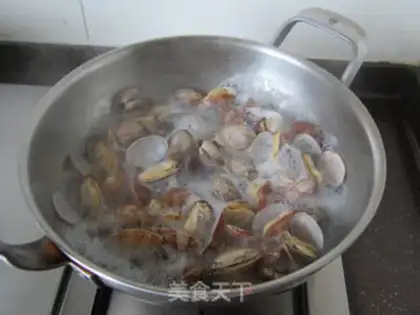
7
When the water boils again, the clams open their mouths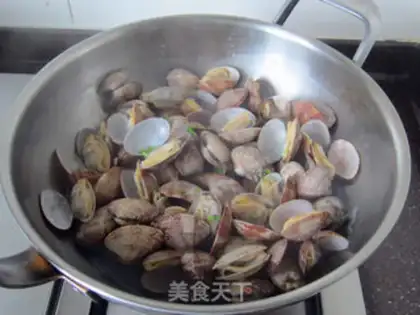
8
Once the clams in the pot are almost all open, the fire will be shut down, the fragrance will be crushed and the pot will be ready。Clear soup clams Make Tips
1. The kelp is added solely for umami; feel free to skip it if you don't like it.
2. No other seasonings are needed as the clams bring their own saltiness; just don't add too much water—enough to just cover the clams will do.
3. No special culinary skills are required; the only key is to ensure the clams are fresh enough. Control the heat and cook over high heat until they open. Just a small rant: With modern logistics being so advanced, even in inland areas you can buy clams that are individually fresh and lively, with their "necks" sticking out spitting water, yet I have never been able to recreate the taste of the seaside. I don't understand why merchants can guarantee they are "alive," but cannot guarantee they are "fresh." The taste of "live" seafood in inland areas isn't even as good as "chilled" seafood. Can anyone tell me exactly why!
4. Finally, when eating clams in Qingdao, do not pronounce it as "gěli" in standard Mandarin; say "gála" instead.