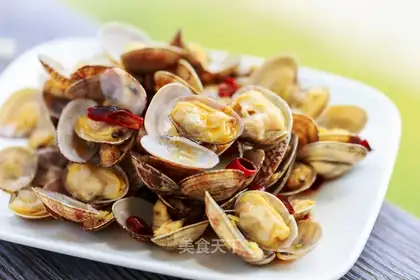
Seafood has long been celebrated for its role in human nutrition, offering a rich source of protein, vitamins, and minerals essential for optimal health. Among the diverse array of marine delicacies, the hard clam, commonly known as meretrix lusoria or "花蛤" (huā gé) in Chinese, stands out as a nutrient-dense, affordable, and versatile ingredient. Renowned for its sweet, briny flavor and tender texture, this bivalve mollusk is a staple in coastal cuisines worldwide. Beyond its culinary appeal,花蛤 boasts an impressive nutritional profile and a range of health benefits, though it also requires careful handling to avoid potential risks. This article explores the nutritional value, health benefits, and consumption considerations of花蛤, shedding light on why this humble shellfish deserves a place in a balanced diet.
I. Nutritional Value of 花蛤
花蛤 is a nutritional powerhouse, packed with essential nutrients that support overall health. A 100-gram serving of cooked花蛤 (approximately 15–20 small clams) provides approximately:
1. High-Quality Protein
Protein is vital for muscle repair, immune function, and enzyme production.花蛤 contains about 18–20 grams of protein per 100 grams, making it an excellent alternative to meat or poultry for individuals seeking plant-based or low-fat protein sources. Its amino acid profile is well-balanced, including all nine essential amino acids that the body cannot synthesize independently.
2. Low in Fat and Calories
For those managing weight or reducing fat intake,花蛤 is an ideal choice. It contains only 1–2 grams of fat per 100 grams, with virtually no saturated or trans fats. At approximately 70–80 calories per serving, it fits seamlessly into calorie-controlled diets while delivering substantial nutrients.
3. Rich in Vitamins
花蛤 is a notable source of several B vitamins, which play critical roles in energy metabolism, brain function, and red blood cell formation. Key vitamins include:
- Vitamin B12: Essential for nerve health and DNA synthesis; a 100-gram serving provides over 100% of the daily recommended intake (DRI).
- Niacin (B3): Supports digestion, skin health, and energy production.
- Riboflavin (B2): Aids in converting food into energy and maintaining healthy eyes and skin.
Additionally,花蛤 contains small amounts of vitamin A (important for vision and immunity) and vitamin E (a powerful antioxidant).
4. Abundance of Minerals
The mineral content of花蛤 is particularly noteworthy, with several minerals that are often lacking in modern diets:
- Iron: Crucial for oxygen transport in the blood; a serving of花蛤 provides about 20–30% of the DRI, with heme iron (more easily absorbed than plant-based iron).
- Zinc: Supports immune function, wound healing, and DNA synthesis;花蛤 offers around 15–20% of the DRI per serving.
- Selenium: Acts as an antioxidant, protecting cells from damage, and supports thyroid function.
- Phosphorus: Works with calcium to build strong bones and teeth.
- Iodine: Essential for thyroid hormone production, which regulates metabolism.
5. Omega-3 Fatty Acids
While low in fat,花蛤 contains beneficial omega-3 fatty acids, particularly EPA (eicosapentaenoic acid) and DHA (docosahexaenoic acid). These fats reduce inflammation, support heart health, and may enhance cognitive function. Though less abundant than in fatty fish,花蛤 still contributes to a healthy omega-3 intake.
6. Other Bioactive Compounds
花蛤 is rich in taurine, an amino acid linked to improved heart health, reduced blood pressure, and enhanced antioxidant defense. It also contains glycogen, a stored form of glucose that provides quick energy, and astaxanthin, a carotenoid antioxidant responsible for its pinkish hue, which helps protect cells from oxidative stress.
II. Health Benefits of 花蛤
The combination of nutrients in花蛤 translates to a range of health benefits, making it a valuable addition to a balanced diet.
1. Supports Heart Health
The low-fat, high-protein, and omega-3 content of花蛤 makes it heart-friendly. Omega-3 fatty acids reduce triglycerides, lower blood pressure, and decrease the risk of arrhythmias, while taurine helps regulate cholesterol levels and prevent plaque buildup in arteries. Additionally, its potassium content (about 150 mg per 100 grams) balances sodium levels, further supporting cardiovascular health.
2. Boosts Immune Function
花蛤 is a powerhouse of immune-boosting nutrients. Vitamin B12 and zinc are critical for the production of white blood cells, which defend the body against infections. Selenium enhances immune response by activating antioxidants that reduce inflammation and oxidative stress, which can weaken immunity over time.
3. Enhances Bone and Dental Health
The high phosphorus and calcium content in花蛤 (about 100–150 mg of calcium per 100 grams) supports bone density and strength, reducing the risk of osteoporosis. Phosphorus also aids in maintaining tooth enamel and supporting nerve function.
4. Improves Cognitive Function
The omega-3 fatty acids and vitamin B12 in花蛤 are vital for brain health. DHA, a major component of brain tissue, improves memory, focus, and cognitive flexibility, while vitamin B12 deficiency has been linked to cognitive decline and neurodegenerative diseases like Alzheimer’s.
5. Aids in Weight Management
With its low calorie and high protein content,花蛤 promotes satiety, helping individuals feel full longer and reducing overall calorie intake. Protein also requires more energy to digest than fats or carbohydrates, a phenomenon known as the thermic effect of food (TEF), which can further support weight loss.
6. Regulates Blood Sugar Levels
The glycogen in花蛤 provides a slow, steady release of glucose, preventing sharp spikes in blood sugar. This makes it a suitable food for individuals with diabetes or insulin resistance when consumed as part of a balanced meal.
7. Promotes Skin and Hair Health
The zinc, vitamin E, and astaxanthin in花蛤 contribute to healthy skin and hair. Zinc supports collagen production and wound healing, while vitamin E and astaxanthin protect against UV damage and oxidative stress, reducing signs of aging like wrinkles and fine lines.
III. Consumption Considerations and Precautions
While花蛤 offers numerous health benefits, improper handling or consumption can lead to adverse effects. Understanding the risks and following safety guidelines is crucial.
1. Allergic Reactions
Shellfish allergies are among the most common food allergies, triggered by proteins in the mollusk. Symptoms range from mild (hives, itching) to severe (anaphylaxis, difficulty breathing). Individuals with a known shellfish allergy should avoid花蛤 entirely.
2. Heavy Metal Contamination
As filter feeders,花蛤 can accumulate heavy metals like mercury, lead, and cadmium from polluted waters. Prolonged exposure to these metals can cause neurological and kidney damage. To minimize risk, purchase花蛤 from reputable suppliers, avoid those from contaminated areas, and consume in moderation (2–3 times per week).
3. Bacterial and Parasitic Infections
Raw or undercooked花蛤 may contain harmful bacteria (e.g., Vibrio spp.) or parasites (e.g., Giardia), leading to food poisoning. Symptoms include diarrhea, vomiting, abdominal cramps, and fever. To ensure safety:
- Cook thoroughly: Boil, steam, or fry花蛤 until the shells open (indicating they are fully cooked). Discard any unopened shells after cooking.
- Clean properly: Soak花蛤 in saltwater (about 2 tablespoons of salt per liter of water) for 2–3 hours before cooking to expel sand and impurities.
- Store correctly: Keep live花蛤 in the refrigerator (2–4°C) and consume within 1–2 days of purchase. Discard dead clams (those with open shells that do not close when tapped).
4. High Sodium Content
Canned or processed花蛤 often contains added salt, which can contribute to high blood pressure and cardiovascular issues. Opt for fresh or frozen花蛤 and limit consumption of canned varieties.
5. Interaction with Medications
花蛤’s high vitamin K content may interfere with blood-thinning medications like warfarin, as vitamin K promotes blood clotting. Individuals taking such medications should consult their doctor and maintain consistent vitamin K intake.
6. Pregnancy and Breastfeeding
Pregnant and breastfeeding women should consume花蛤 in moderation due to the risk of bacterial contamination and heavy metals. Cooking thoroughly and sourcing from clean waters can reduce risks, but consultation with a healthcare provider is advisable.
IV. Culinary Uses and Sustainability
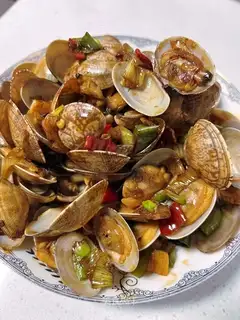
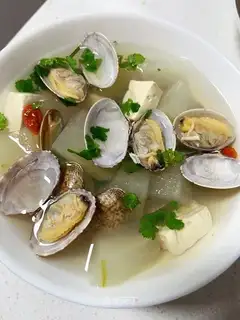
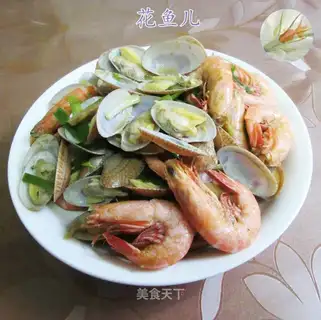
花蛤’s mild, sweet flavor and tender texture make it a versatile ingredient in global cuisines. In Chinese cooking, it is commonly stir-fried with garlic and chili, steamed with eggs, or added to soups and hot pots. Mediterranean cuisines feature it in pasta dishes (e.g., spaghetti alle vongole), while in Southeast Asia, it is often used in curries or grilled with spices.
Sustainability is another consideration when choosing花蛤. Overharvesting can deplete wild populations, so opting for farmed花蛤 from responsible aquaculture farms is recommended. Farming practices that minimize habitat destruction and pollution help ensure the long-term availability of this nutritious seafood.
Conclusion
花蛤 is a nutritional treasure, offering a wealth of protein, vitamins, minerals, and bioactive compounds that support heart health, immunity, cognitive function, and more. Its low calorie and high nutrient density make it an excellent choice for individuals seeking to maintain a healthy weight or boost their overall well-being. However, proper handling, cooking, and moderation are essential to avoid risks such as allergies, contamination, and overconsumption of heavy metals. By incorporating花蛤 into a balanced diet and sourcing it responsibly, individuals can enjoy its delicious flavor and numerous health benefits while supporting sustainable seafood practices. Whether steamed, fried, or added to a hearty soup, this humble shellfish proves that great things often come in small packages.