Homemade rice wine
By VicentaLakin
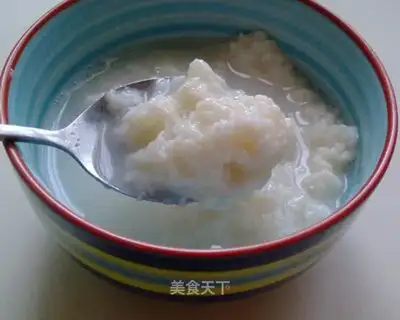
MY FAMILY DOES A LOT OF RICE WINE EVERY YEAR. IT'S LEARNED FROM DAD. IT'S BEEN WITH DAD SINCE BEFORE WE GOT MARRIED. SOMETIMES DAD DOES SOMETHING TO GET MY MOTHER-IN-LAW BACK, AND I SAY I DO, BUT HE INSISTS ON TAKING HIS LOVE
Recipe Recommendations
- rice 2 pounds
- water 1 bowl
- distiller's yeast
- sweet and sour
- mix
- several days
- simple
Steps for Homemade rice wine
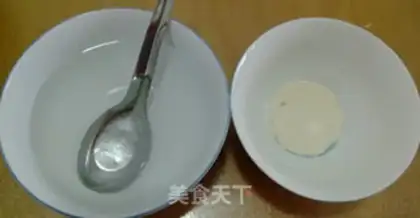
1
Water and wine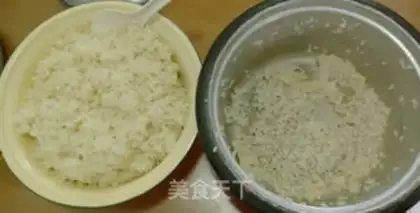
2
When the rice is cooked in the rice table, it's in the pot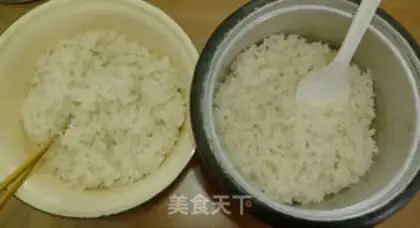
3
Then split into two basins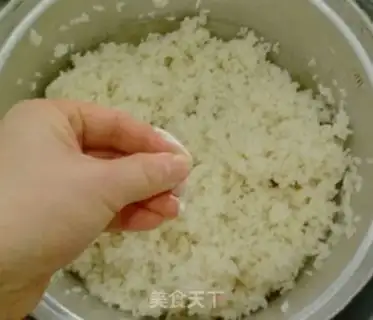
4
Squeeze a little wine on the rice with your fingers, mixed it with chopsticks or spoons, mixed it a little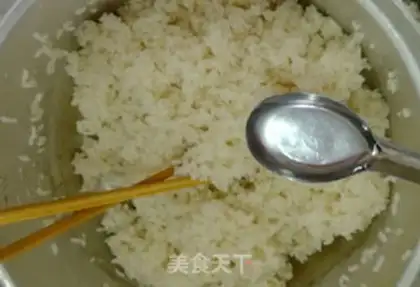
5
3-4 times, with a little spoon and a little water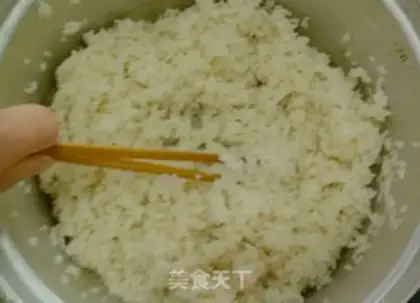
6
When two basins of rice are almost mixed, and when I'm in a covered basin, I spread the last song, the average mix, make sure the rice is in place and the wine is out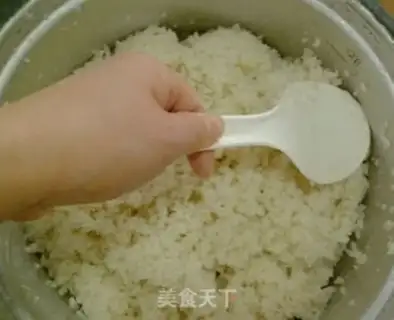
7
When the rice is even, you scrape the rice off the side with a big spoon of water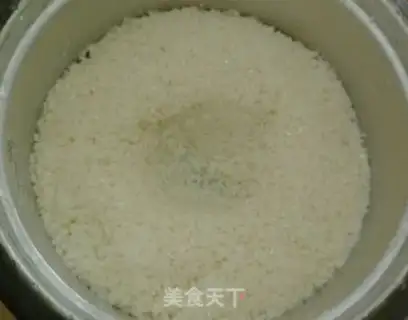
8
Make a nest in the middle. The surface is pouring some water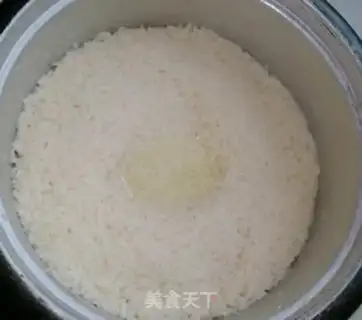
9
Cover up, cover up, ferment the warmest place. In 48 hours, you can see if it's okay. There'll be plenty of rice in the middle, and it'll be sweet. If there is no or too little water, it can be packed for another day for up to three days。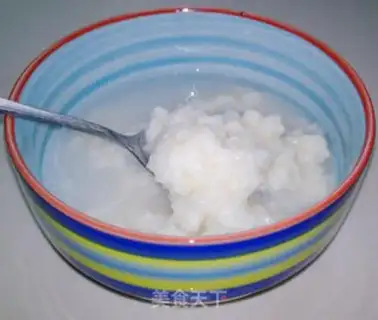
10
Put a little bowl of water on it and then you can just eat itHomemade rice wine Make Tips
Good rice wine seems to have a white layer on the surface; this is due to fermentation and is normal. For the rice wine my family makes, my dad and I really like to eat it plain. You definitely must not have scorched rice, and the rice shouldn't be too soft or too hard. Cool it to a lukewarm temperature (the rice temperature is very important; if it's too hot, it will scald the yeast, and if it's too cool, it won't ferment). The fermentation starter must be mixed evenly.