braised hairtail
By MyrticeSwift
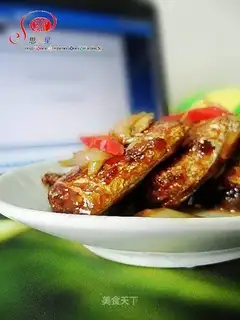
I haven't eaten hairtail for a long time. I smelled the aroma of fried hairtail next door a while ago, and my saliva almost flowed onto my clothes. I have to work harder if I want to eat it. Let's make braised hairtail today! Braised hairtail, as usual, crave you first and then tell you how to do it, hehe
Recipe Recommendations
- salty and sweet
- burn
- ten minutes
- ordinary
Steps for braised hairtail
1
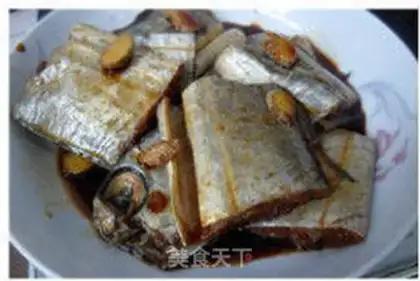
After the hairtail is processed (usually only bought to help me clean it), use salt, soy sauce, sprinkled sauce, and ginger to soak it into the flavor.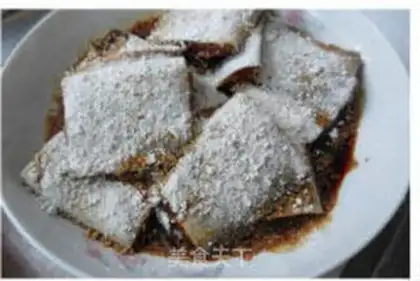
2
Coat starch evenly on both sides.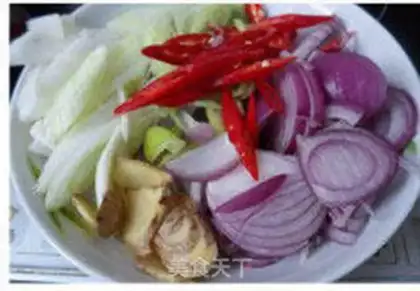
3
Prepare the seasonings: green onions, onions, ginger slices, and peppers.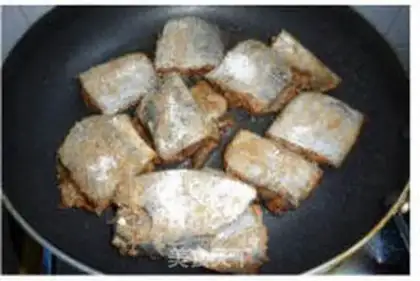
4
Fry it on both sides in a frying pan until it is a little browned (the aroma will overflow the door and neighbors come to ask me what to cook).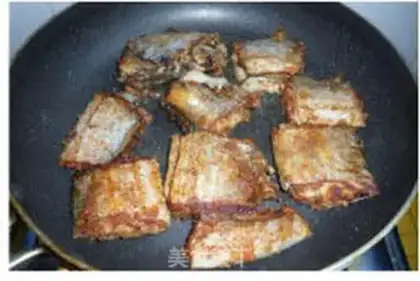
5
(The fragrance is almost overflowing the door and neighbors are coming to me to ask me what delicious food is made)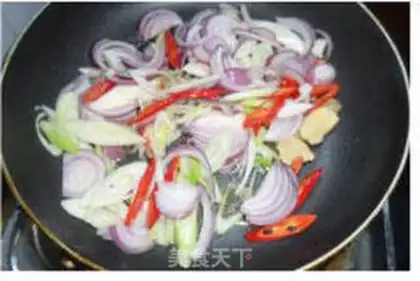
6
Remove the pan and heat a little oil, add salt and stir up the seasoning until fragrant.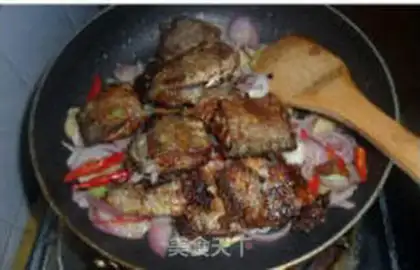
7
Pour in the fried hairtail and stir fry well.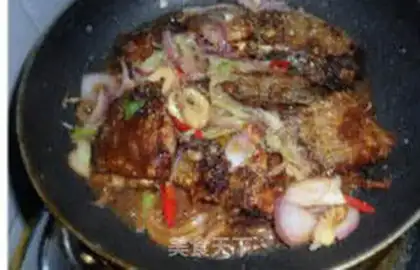
8
Pour a little more cooking wine and simmer for 2 minutes before serving.braised hairtail Make Tips
Helpful Tips: 1. Avoid using butter or mutton fat to fry ribbonfish; do not consume it with licorice root or schizonepeta. 1. Ribbonfish has a strong fishy odor and is suitable for braising in soy sauce or cooking in sweet and sour sauce; (braising usually involves deep-frying, but I prefer pan-frying to save oil). 2. Eating fresh ribbonfish with papaya has certain therapeutic effects on conditions such as postpartum lactation deficiency and traumatic bleeding. 3. Ribbonfish is warm in nature, tastes sweet and salty; it belongs to the liver and spleen meridians. It has the functions of tonifying the spleen, benefiting qi, warming the stomach, nourishing the liver, beautifying the skin, supplementing qi, nourishing the blood, and keeping fit.
Tips: 1. Fresh ribbonfish is silver-gray and shiny; however, some ribbonfish have a layer of yellow substance attached to the silvery shine. This is because ribbonfish is a relatively fatty fish, and when not stored properly, the fat on the surface accelerates oxidation due to exposure to air, and the product of this oxidation causes the surface of the fish to turn yellow. 2. When buying ribbonfish, try not to buy fish that has yellow on it; if you do buy it, eat it immediately, otherwise the fish will quickly rot and smell bad.