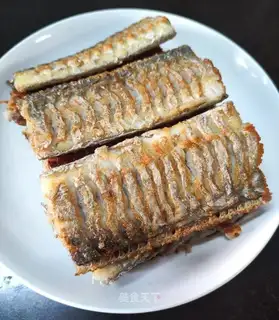
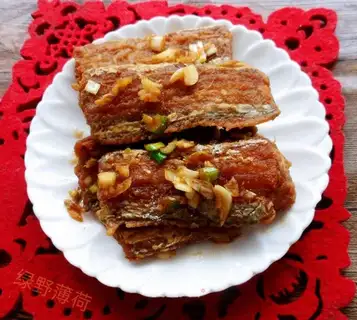
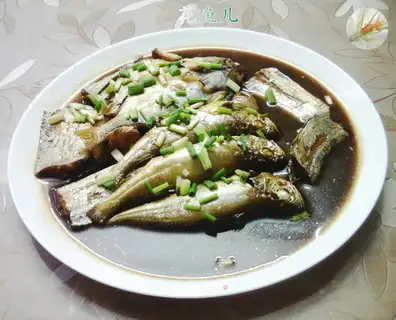
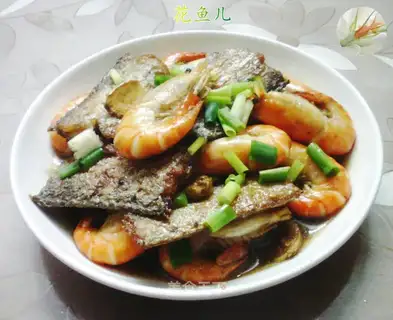
Hairtail fish (Trichiurus lepturus), known by various names including ribbonfish, cutlassfish, and silver scabbardfish, is a widely consumed seafood species across Asia, Europe, and parts of Africa. Recognizable by its long, slender, ribbon-like body and silvery-blue hue, this fish is not only a culinary staple but also a nutritional treasure. Renowned for its delicate texture, mild flavor, and affordability, hairtail has been a part of human diets for centuries, particularly in coastal regions. Beyond its culinary appeal, hairtail boasts an impressive nutritional profile, offering numerous health benefits. However, like all foods, it must be consumed mindfully to avoid potential risks. This article explores the nutritional value, health benefits, and consumption precautions of hairtail fish, providing a comprehensive guide for seafood enthusiasts and health-conscious individuals alike.
Nutritional Value of Hairtail Fish
Hairtail is a low-calorie, high-protein fish that packs a dense array of essential nutrients, making it an ideal choice for balanced diets. A 100-gram serving of cooked hairtail (without added fats) contains approximately 130–150 calories, 20–22 grams of protein, and 3–5 grams of fat, with most of its fat being heart-healthy unsaturated fatty acids. Its protein profile is particularly noteworthy, as it provides all nine essential amino acids—lysine, methionine, phenylalanine, threonine, tryptophan, valine, leucine, isoleucine, and histidine—that the human body cannot synthesize independently. These amino acids are vital for muscle repair, immune function, and overall cellular health.
In terms of micronutrients, hairtail is a rich source of vitamin D, a nutrient often lacking in modern diets. A 100-gram serving can provide 50–70% of the daily recommended intake (DRI) of vitamin D, which plays a critical role in calcium absorption, bone health, and immune regulation. It is also abundant in B vitamins, particularly vitamin B12 (about 3–4 micrograms per 100 grams, exceeding the DRI of 2.4 micrograms for adults) and niacin (vitamin B3). Vitamin B12 is essential for nerve function and red blood cell formation, while niacin supports metabolism and skin health.
Hairtail excels in mineral content as well. It is an excellent source of selenium, a powerful antioxidant that protects cells from oxidative damage and supports thyroid function (100 grams provide 50–60 micrograms, or ~100% of the DRI). Additionally, it provides phosphorus for bone and teeth health, iron for preventing anemia, and zinc for immune support. Notably, hairtail is one of the few seafoods low in mercury compared to larger predatory fish like tuna or swordfish, making it a safer choice for regular consumption. Its soft, easily digestible flesh also makes it suitable for individuals with sensitive digestive systems, including children and the elderly.
Health Benefits of Hairtail Fish
The combination of macronutrients, vitamins, and minerals in hairtail contributes to a range of health benefits, from cardiovascular support to cognitive enhancement.
1. Cardiovascular Health
Hairtail’s high content of omega-3 fatty acids—specifically eicosapentaenoic acid (EPA) and docosahexaenoic acid (DHA)—is a standout feature for heart health. Omega-3s are known to reduce triglyceride levels, lower blood pressure, decrease inflammation, and prevent the formation of arterial plaques, thereby reducing the risk of heart disease and stroke. A 100-gram serving of hairtail provides 200–300 milligrams of EPA and DHA, meeting the American Heart Association’s recommendation of at least two servings of fatty fish per week for optimal cardiovascular protection.
2. Brain and Cognitive Function
DHA, a key omega-3 fatty acid in hairtail, is a primary structural component of the brain and retina. Studies suggest that adequate DHA intake supports cognitive function, improves memory, and may reduce the risk of age-related cognitive decline, including Alzheimer’s disease. For pregnant and breastfeeding women, DHA is crucial for fetal brain and eye development, making hairtail a valuable dietary choice during these stages.
3. Bone and Immune Health
Vitamin D and calcium in hairtail work synergistically to maintain bone density and prevent osteoporosis. Vitamin D enhances calcium absorption in the gut, while calcium provides the building blocks for strong bones and teeth. Additionally, selenium and zinc in hairtail bolster immune function by acting as antioxidants and supporting the production of immune cells, helping the body fight infections and reduce inflammation.
4. Weight Management
As a low-calorie, high-protein food, hairtail is an excellent option for weight management. Protein promotes satiety, reducing overall calorie intake by curbing hunger and preserving lean muscle mass during weight loss. Its low fat content (especially saturated fat) further makes it a heart-healthy choice for individuals aiming to maintain a healthy weight.
5. Skin and Hair Health
The B vitamins (particularly B12 and niacin) and omega-3 fatty acids in hairtail contribute to healthy skin and hair. Niacin improves skin barrier function, reducing moisture loss and inflammation, while omega-3s alleviate conditions like eczema and acne by reducing skin inflammation. Additionally, the protein in hairtail provides the amino acids necessary for collagen production, which keeps skin firm and elastic.
Consumption Precautions and Potential Risks
While hairtail is highly nutritious, certain precautions must be taken to ensure safe and healthy consumption.
1. Freshness and Spoilage
Hairtail is a perishable fish with a high moisture content, making it prone to spoilage. Fresh hairtail should have a mild, ocean-like scent, firm flesh, and shiny, silvery skin. Signs of spoilage include a strong ammonia-like odor, discolored (dull or brownish) skin, and soft, mushy texture. Spoiled hairtail may contain histamine, a toxin produced by bacteria that can cause scombroid poisoning, leading to symptoms like headache, nausea, vomiting, and flushing. To avoid this, hairtail should be stored at 0–4°C and consumed within 1–2 days of purchase; freezing can extend its shelf life for up to 3 months.
2. Allergic Reactions
Fish allergies are common and can range from mild to life-threatening. Individuals with a known fish allergy should avoid hairtail entirely. Symptoms of an allergic reaction may include hives, swelling, difficulty breathing, and anaphylaxis. Even first-time consumers should start with a small portion to check for sensitivity.
3. Mercury and Contaminants
Though hairtail is low in mercury compared to larger predatory fish, it may still contain trace amounts of mercury, especially if sourced from polluted waters. Pregnant women, nursing mothers, and young children should limit consumption to 1–2 servings per week to minimize mercury exposure. Additionally, wild-caught hairtail from contaminated areas may contain pollutants like PCBs (polychlorinated biphenyls) or dioxins. Choosing hairtail from reputable suppliers, preferably those adhering to sustainable fishing practices, can reduce this risk.
4. Preparation Methods
The health benefits of hairtail can be negated by unhealthy cooking methods. Deep-frying or adding excessive oil, salt, or high-sodium sauces (e.g., soy sauce-based marinades) increases calorie, fat, and sodium intake, which may contribute to high blood pressure and other health issues. Steaming, grilling, baking, or stir-frying with minimal oil are healthier preparation methods that preserve its nutritional value. For example, steamed hairtail with ginger and garlic retains its omega-3 content while adding anti-inflammatory compounds.
5. Interaction with Medications
Hairtail’s omega-3 fatty acids may have mild blood-thinning effects. Individuals taking anticoagulant medications (e.g., warfarin) or antiplatelet drugs (e.g., aspirin) should consult their doctor before consuming hairtail regularly to avoid an increased risk of bleeding. Additionally, hairtail is high in purines, which can trigger gout attacks in individuals with the condition. Those with gout should limit intake or avoid hairtail during flare-ups.
Conclusion
Hairtail fish is a nutritional powerhouse that offers a wealth of health benefits, from supporting heart and brain health to promoting strong bones and healthy skin. Its high protein, omega-3, and vitamin content, combined with its low mercury levels and easy digestibility, make it an excellent choice for people of all ages. However, to fully enjoy its benefits, it is essential to prioritize freshness, choose appropriate cooking methods, and be mindful of potential risks such as allergies, mercury exposure, and medication interactions. By incorporating hairtail into a balanced diet—prepared healthily and consumed in moderation—individuals can savor its delicious flavor while enhancing their overall well-being. As with any food, knowledge and moderation are key to unlocking hairtail’s full potential as a staple of a healthy lifestyle.