Chicken soup
By VicentaLakin
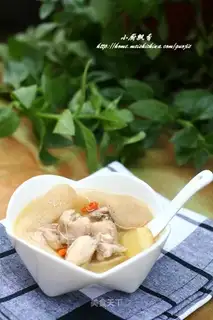
Chicken soup is of high nutritional value and contains many proteins, fat, calcium and some vitamins. My family usually cooks chicken soup. When I'm weak, I'm going to put in some fungus, party members, yellow date and stuff, and make up for the blood; when the weather is dry, I like to put on some fungus, clean, water-filled, chubby chicken soup, which I like more than a chicken soup, which is not only delicious, but also fresh, which is probably the colour and feeling that is the best for the mind! This time, the chicken soup is a fat old hen. I don't want to be so oily, I'm taking all the skin and oil out of the chicken, so the soup juice looks light。
Recipe Recommendations
- old hen half a
- bamboo fungus several
- Jiang three pieces
- wolfberry a small handful
- salt appropriate amount
- salty and fresh
- stewed
- several hours
- ordinary
Steps for Chicken soup

1
Prepare materials, chicken slices, and remove extra chicken skin and chicken oil。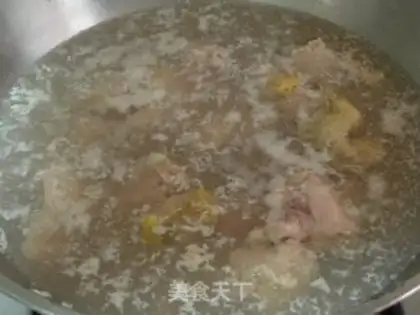
2
Put chicken in the open water。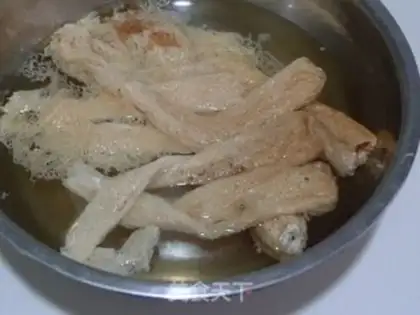
3
The mackerel is immersed in cold water, and water is exchanged several times。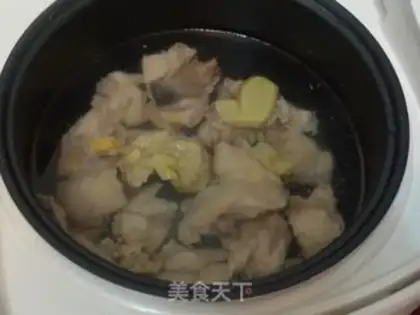
4
The purified chicken is put into the pot of stew (I use the electric cooker, with soup) and cooled water is put in the ginger。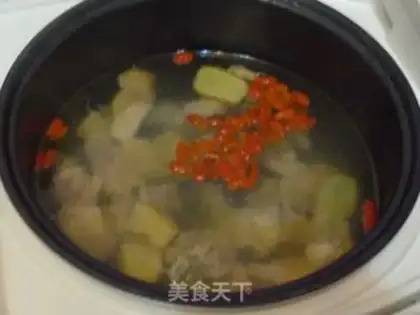
5
When the fire opens, it's boiled for about an hour and put it in the larvae。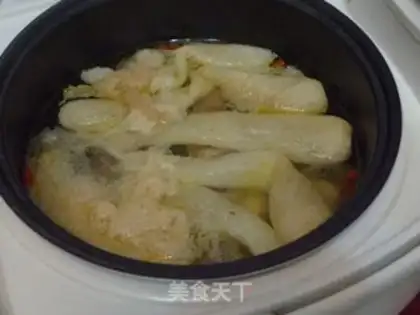
6
Twenty more minutes. Put it in the bamboo。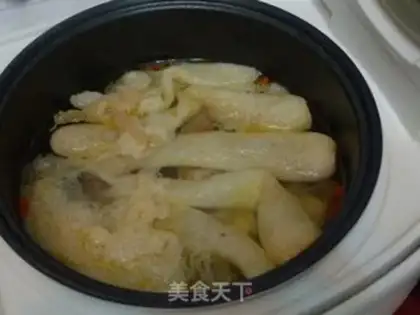
7
Boil for five minutes, bring in the right amount of salt。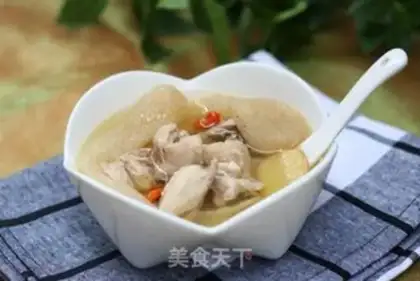
8
You can eat when the fire's off。Chicken soup Make Tips
Chicken soup is both nutritious and delicious; many families regard it as a nourishing delicacy and often prepare a pot of chicken soup as a tonic when there is a sick family member. However, not everyone is suitable for drinking chicken soup, because the nutrients contained in the soup are small amounts of water-soluble small-molecule proteins, fats, and inorganic salts dissolved from chicken fat, skin, meat, and bones. The protein content in the soup is only about 7% of that in the chicken meat, and the chicken fat in the soup consists mostly of saturated fatty acids. Therefore, if you fall into any of the following categories, chicken soup may not be suitable for you!
1. Excessive gastric acid: Chicken soup stimulates the secretion of gastric acid. Therefore, patients with gastric ulcers, excessive gastric acid, or gastric bleeding generally should not drink chicken soup.
2. Biliary diseases: People who suffer frequently from cholecystitis and cholelithiasis (gallstones) should not drink too much chicken soup. This is because the digestion of fat in chicken soup requires the participation of bile; drinking chicken soup stimulates the gallbladder to contract, which can easily trigger an attack of cholecystitis.
3. Hypertension: For patients with high blood pressure, drinking chicken soup, in addition to causing arteriosclerosis, will also cause blood pressure to rise continuously, making it difficult to lower.
4. Hyperlipidemia: After the fat in chicken soup is absorbed, it prompts a further increase in cholesterol. Excessively high cholesterol will deposit on the inner lining of blood vessels, causing diseases such as coronary arteriosclerosis.
5. Renal insufficiency: Chicken soup contains some small-molecule proteins. Patients with acute nephritis, acute or chronic renal insufficiency, or uremia cannot process protein breakdown products in a timely manner due to their liver and kidney function; drinking too much chicken soup can cause azotemia and aggravate the condition.
Additionally, chicken soup has a warming and tonifying effect. People with inflammation should not undergo warm tonification, as it is detrimental to the recovery from inflammation.